
What's Happening?
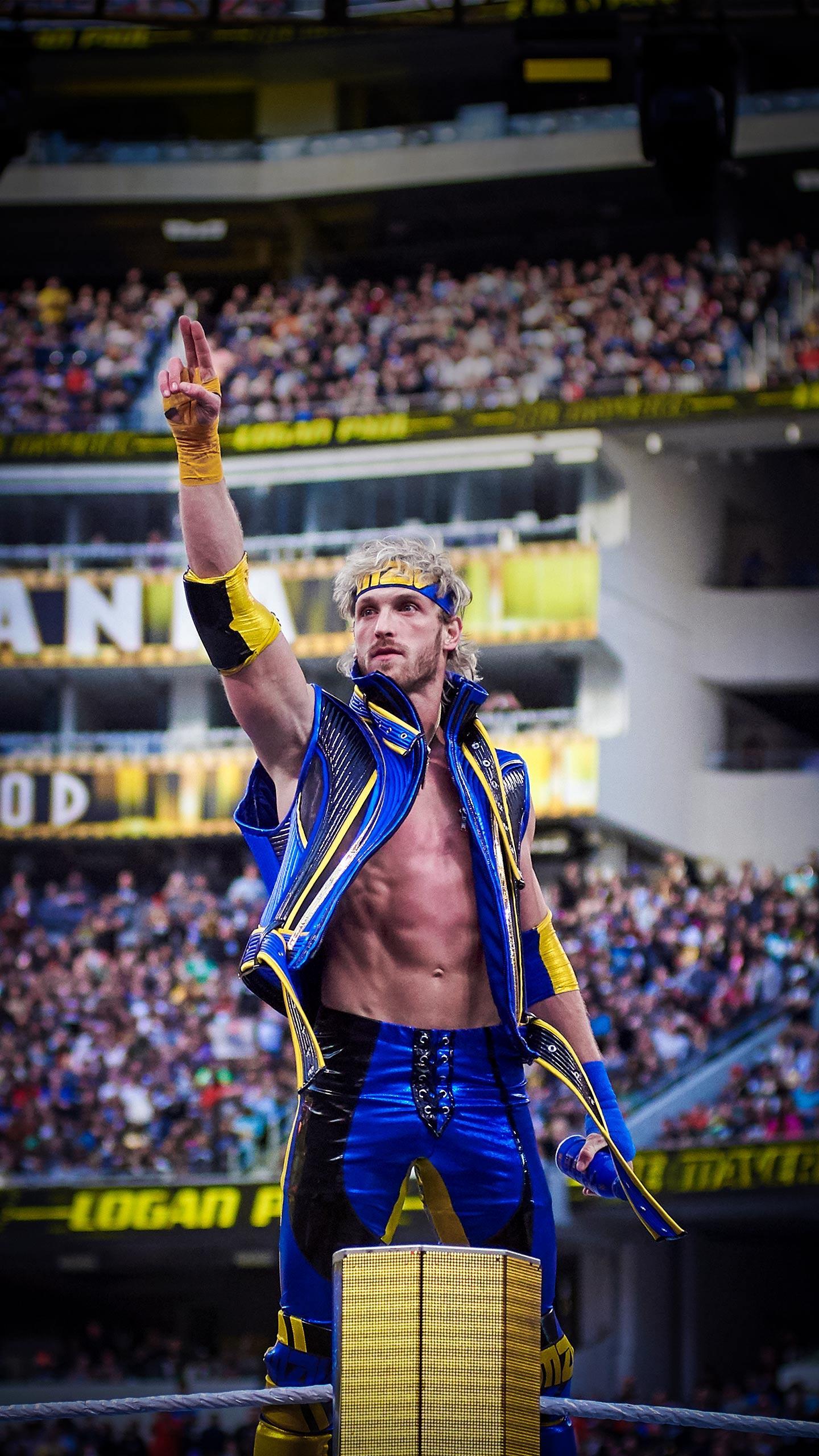
WWE Superstar Logan Paul has voiced his displeasure regarding the consistent negative reception he receives from crowds during his appearances. In a recent vlog, Paul stated he is "tired of these two faces"
and anticipates being booed every time he enters the ring. He questioned why fans continue to treat him this way, despite his belief that he is significantly contributing to the company. Paul asserted that he is "saving this company" and "building this company from the ground up." This sentiment comes despite his established persona as a heel, a character designed to elicit boos from the audience. He has previously acknowledged that being booed in his hometown of Cleveland affected him.
Why It's Important?
Logan Paul's public comments highlight a dynamic tension between a performer's character and their personal feelings regarding audience reception within professional wrestling. While Paul has cultivated a persona that thrives on drawing negative reactions, his expressed frustration suggests a potential disconnect between the intended theatrical outcome and his personal experience. This situation could influence how WWE manages its talent's public image and character development, especially for high-profile crossover stars like Paul. It also raises questions about the sustainability of a purely antagonistic character if the performer genuinely struggles with the audience's response, potentially impacting future storyline directions or fan engagement strategies for WWE.
What's Next?
Paul's complaints about fan reactions may lead to several outcomes within WWE. It could be interpreted as a deliberate tactic to further solidify his heel character, making fans boo him even more, which would align with his current role. Alternatively, WWE might consider adjusting his character's trajectory or exploring storylines that could lead to a more mixed or even positive reception, depending on the long-term strategy for his involvement. His comments could also spark further discussion among fans and wrestling pundits about the nature of kayfabe (the portrayal of staged events as real) in modern professional wrestling and the boundaries between a performer's character and their real-life sentiments.
Beyond the Headlines
The situation with Logan Paul transcends typical wrestling narratives, touching upon broader themes of public perception, celebrity culture, and the psychological impact of constant scrutiny. As a prominent figure outside of wrestling, Paul brings a unique audience and level of media attention to WWE. His public frustration, even if partially performative, underscores the challenges faced by public figures who intentionally or unintentionally cultivate controversial images. It also highlights the evolving relationship between performers and their audiences in an age where social media blurs the lines between character and reality, potentially influencing how other public figures manage their online and in-person interactions.