
What's Happening?
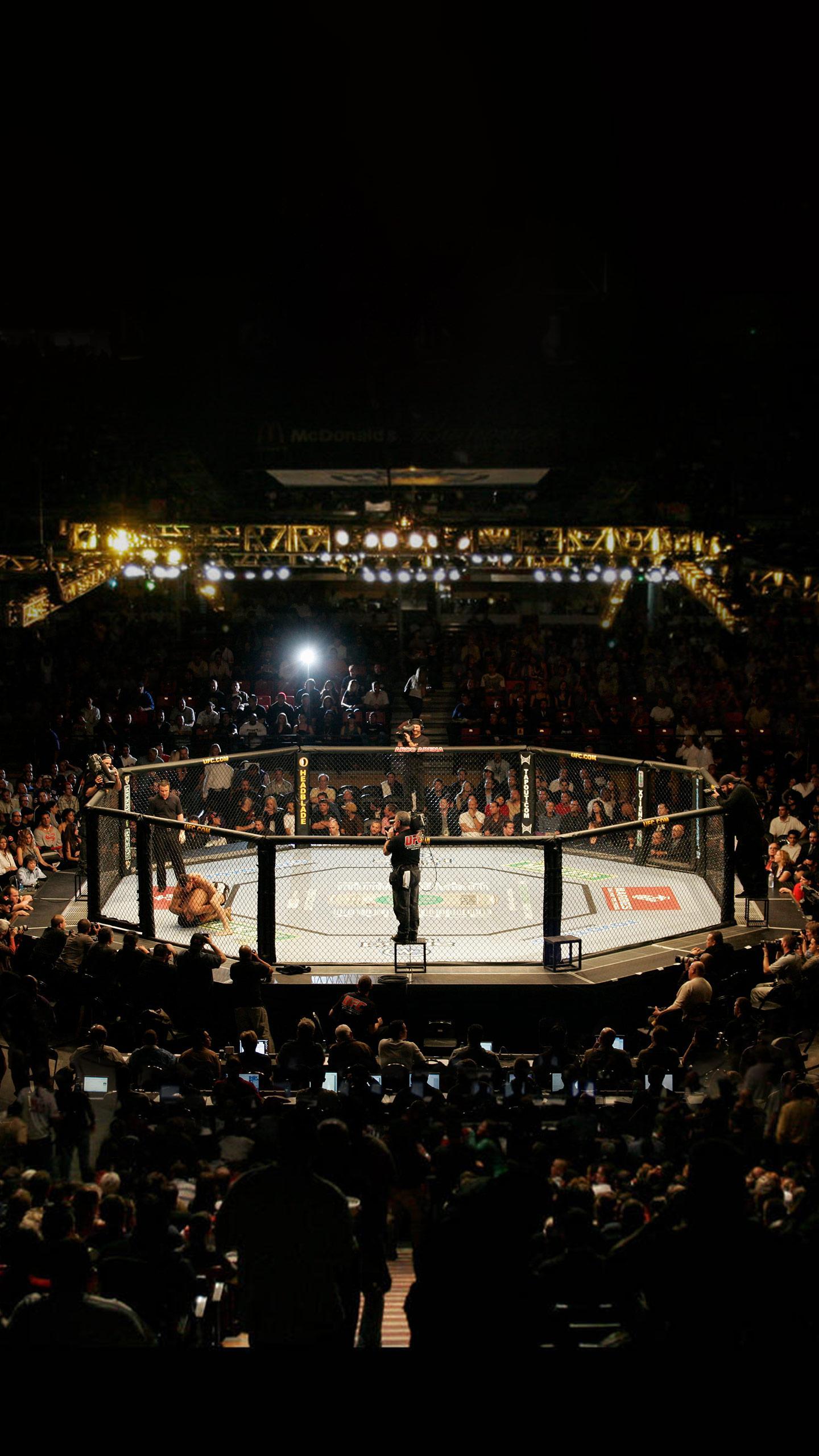
The Ultimate Fighting Championship (UFC) Fight Night is set to return to Sydney, Australia, on February 7, 2027, marking the first event of its kind in the city in nearly a decade. The event, secured by
the Minns Labor Government, will take place at Afterpay Arena. This will be the fourth event delivered under a multi-year agreement between the NSW Government and the UFC, an agreement that has already generated over $45 million for the state's visitor economy through three sold-out major UFC pay-per-view events. The upcoming Fight Night will feature rising Australian star Quillan Salkilld facing French powerhouse Benoît Saint Denis. Additionally, Sydney favorite and former UFC middleweight champion Robert “The Reaper” Whittaker will make his long-awaited hometown return after 12 years, competing against Uzbekistan’s Bogdan Guskov. NSW Premier Chris Minns highlighted that these events inject tens of millions of dollars into the state's economy, attracting thousands of visitors who support local hotels and restaurants and create jobs. Minister for Jobs and Tourism Steve Kamper emphasized that the event will showcase Sydney to a global audience, reinforcing its reputation as a world-class destination for major sporting events. Peter Kloczko, Senior Vice President, Australia and New Zealand, UFC, expressed anticipation for the event, noting the excitement among Australian fans.
Why It's Important?
While this event is primarily focused on Sydney, Australia, its global broadcast to millions of fans, including a significant base in the U.S., makes it relevant to the U.S. sports and entertainment industry. The UFC is a major global sports franchise with a substantial U.S. following, and events like this contribute to its overall brand strength and market reach. The participation of high-profile fighters, even if not U.S.-based, generates international interest that translates into viewership and engagement for U.S. audiences through broadcast rights and digital platforms. For U.S. sports media companies and streaming services that carry UFC content, such events are crucial for subscriber retention and acquisition. The success of international UFC events also influences the organization's global strategy, potentially leading to more diverse fight cards and talent scouting that could eventually bring new stars to U.S. events. Furthermore, the economic impact on Sydney serves as a model for how major sporting events can stimulate local economies, a concept that is closely watched by U.S. cities and states vying to host similar large-scale competitions.
What's Next?
Following the announcement, tickets for UFC Fight Night Sydney will go on sale to the general public from Friday, November 20. The event on February 7, 2027, is expected to draw a large crowd to Afterpay Arena and will be broadcast globally, including to U.S. audiences. The performance of Australian fighters like Quillan Salkilld and Robert Whittaker will be closely watched, as their success could further elevate their profiles within the UFC's global roster, potentially leading to future fights in major U.S. venues. The ongoing multi-year agreement between the NSW Government and the UFC suggests that more events could be planned for Sydney, reinforcing its position as a key international hub for mixed martial arts. For the UFC, the success of this event will contribute to its overall revenue and brand visibility, influencing future scheduling and promotional efforts worldwide, including in the U.S. The event also adds to Sydney's robust calendar of major sporting events for 2027, showcasing its capacity to host world-class competitions.
Beyond the Headlines
The return of UFC Fight Night to Sydney underscores the growing global appeal and commercial power of mixed martial arts, a trend that has significant implications for the U.S. sports landscape. The UFC's strategy of expanding its international footprint, securing multi-year government agreements, and featuring local heroes like Robert Whittaker, demonstrates a successful model for cultivating fan bases beyond its traditional U.S. strongholds. This global expansion not only diversifies the talent pool but also creates new revenue streams through international broadcast deals and sponsorships, ultimately benefiting the entire organization, including its U.S. operations. The emphasis on economic impact, with tens of millions of dollars injected into the local economy, highlights the broader role of sports as an economic driver, a lesson that U.S. cities often consider when bidding for major sporting events. Furthermore, the UFC's ability to consistently draw large audiences and generate significant media attention reflects a cultural shift towards combat sports, challenging the dominance of traditional sports in various markets, including the U.S. This ongoing evolution of sports consumption patterns could lead to further innovation in sports broadcasting, fan engagement, and athlete development globally.