

What's Happening?
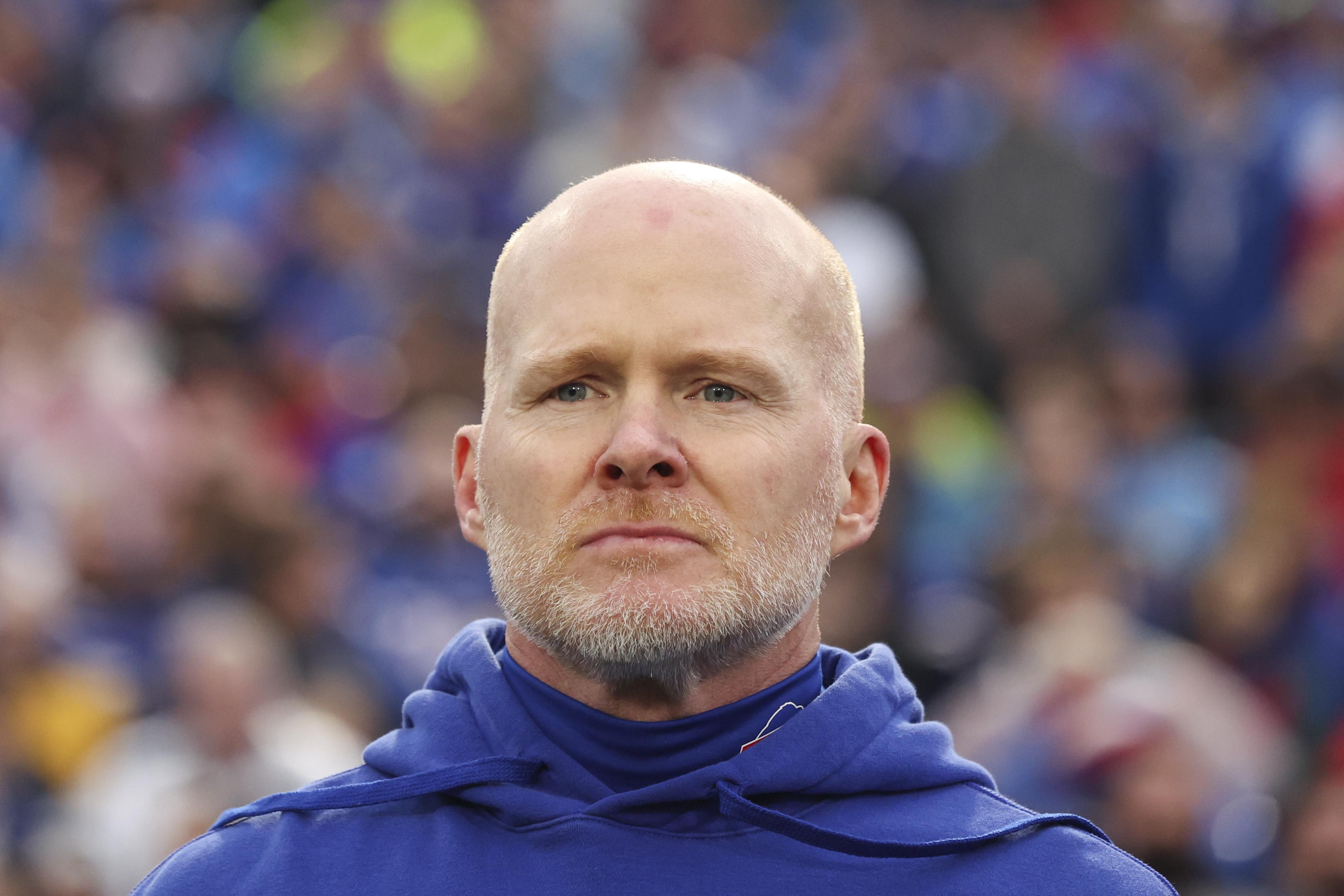
Former Buffalo Bills head coach Sean McDermott, who was fired on January 19 after a playoff exit, has reignited discussions regarding the division of responsibility for the team's past performance. McDermott's
recent remarks, particularly his praise for the Jacksonville Jaguars' approach to team management and trades, have been interpreted by some fans as an indirect critique of current Bills General Manager Brandon Beane. McDermott expressed strong support for the Bills' acquisition of safety Amani Hooker, stating he was 'all for it' and emphasizing the importance of acquiring pieces to win a Super Bowl. However, his subsequent comments on the Jaguars' 'great collaboration and communication' between head coach and general manager, potentially involving ownership, led many to believe he was subtly highlighting a perceived lack thereof during his tenure with Beane. McDermott maintained a 98-50 regular-season record over nine seasons in Buffalo, leading the team to eight playoff appearances.
Why It's Important?
This situation is important because it sheds light on the complex dynamics and potential tensions between coaching staff and front office management in professional sports, particularly in the NFL. The public interpretation of McDermott's comments suggests a lingering debate among fans and observers about who was ultimately accountable for the Bills' inability to secure a Super Bowl victory during his time as head coach. Such discussions can impact team morale, fan perception, and the public image of both the former coach and the current general manager. For the Bills organization, these comments could create an unwelcome distraction, potentially influencing future personnel decisions or public relations strategies. It also highlights the scrutiny faced by high-profile sports figures, where even seemingly innocuous statements can be dissected for underlying meanings and implications regarding past performance and internal team politics.
What's Next?
The immediate aftermath of McDermott's comments will likely involve continued speculation and debate among Bills fans and sports analysts regarding the relationship between McDermott and Beane during their time together. While McDermott is no longer with the team, his remarks could influence how his legacy is viewed and how Beane's ongoing leadership is perceived. The Bills organization may choose to address these interpretations directly or indirectly, or they may opt to let the conversation subside naturally. For Beane, the focus will remain on the current season and the team's performance, with any further comments from McDermott potentially adding pressure or scrutiny to his role. The ongoing performance of the Bills, especially after their recent acquisition of Amani Hooker, will be a key factor in shaping the narrative around these past leadership dynamics.
Beyond the Headlines
Beyond the immediate implications for the Buffalo Bills, this scenario touches upon broader themes of accountability and narrative control in professional sports. When a high-profile coach departs, there's often a period where both the former coach and the remaining management attempt to shape the public's understanding of past events and responsibilities. McDermott's comments, even if not explicitly critical, serve as a form of retrospective framing, suggesting that external factors or a lack of internal collaboration might have contributed to the team's ultimate shortcomings. This highlights the ethical dimension of public commentary from former employees, particularly when it can be perceived as undermining current leadership. It also underscores how fans, as key stakeholders, actively engage in interpreting and debating these narratives, influencing the cultural perception of a sports franchise and its key figures.