
What's Happening?
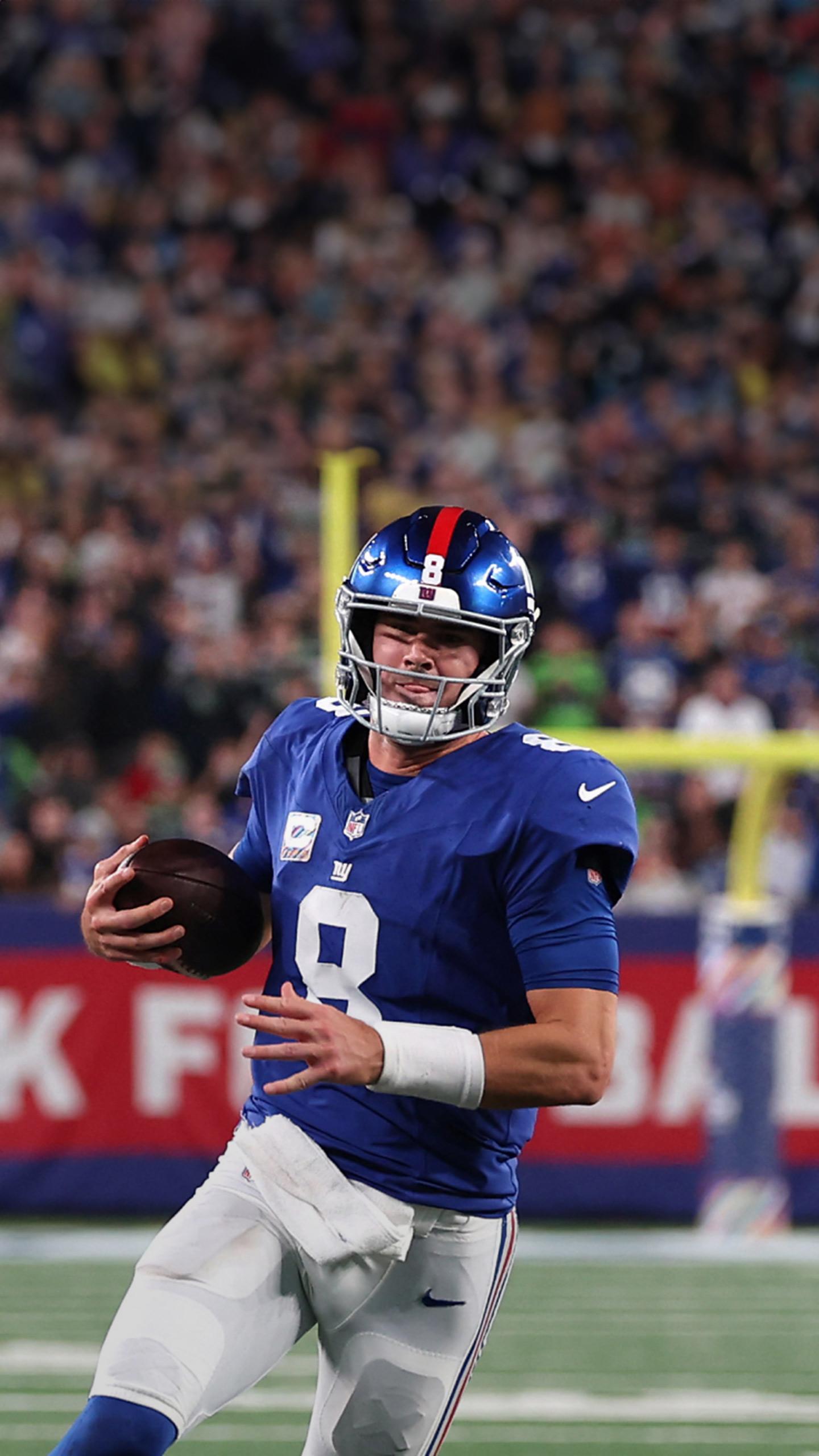
The Indianapolis Colts rejected a trade offer from the Baltimore Ravens for quarterback Daniel Jones before the November 10 trade deadline. The Ravens had proposed sending a fourth-round pick to the Colts in exchange
for Jones and a fifth-round pick, with the Colts potentially regaining their fifth-round pick if the Ravens made the playoffs. Ten days after the trade deadline, the Colts released Jones, receiving no compensation. According to ESPNFL, the Colts knew Jones was likely to be benched to prevent an injury that would trigger his $10.51 million guaranteed salary for 2027. The team's decision to release him without a trade is seen as a missed opportunity to acquire draft capital.
Why It's Important?
This decision by the Indianapolis Colts has significant implications for team management and asset valuation in the National Football League. By rejecting a trade offer for Daniel Jones and subsequently releasing him, the Colts forfeited an opportunity to gain draft picks, which are crucial for team building and future competitiveness. This highlights a potential lack of strategic foresight or an error in judgment regarding player value and contract implications. For other NFL teams, this situation serves as a case study in managing high-salary players with injury guarantees, especially when their performance or role on the team is uncertain. It also underscores the financial risks associated with player contracts and the importance of timely decision-making in the fast-paced environment of professional sports.
What's Next?
The Indianapolis Colts will now face questions regarding their strategic planning and asset management following the decision to release Daniel Jones without compensation. This move could impact their draft capital for upcoming seasons, potentially limiting their flexibility in acquiring new talent. For Daniel Jones, his release means he is now a free agent, and his next steps will involve seeking a new team, likely on a different contract structure. Other NFL teams will evaluate his performance and injury history as they consider potential offers. This situation may also prompt a review of how teams handle players with significant guaranteed salaries when their future with the franchise becomes uncertain, potentially influencing future contract negotiations and trade strategies across the league.
Beyond the Headlines
The Colts' handling of Daniel Jones extends beyond a simple roster move, touching upon the complex interplay of player contracts, team strategy, and financial risk in professional sports. The decision to avoid an injury guarantee by releasing a player, even at the cost of trade assets, reveals the significant financial pressures NFL teams operate under. This incident could influence how future contracts are structured, with teams potentially seeking more flexibility or performance-based incentives to mitigate such risks. It also highlights the constant tension between a team's immediate competitive needs and its long-term financial health and draft capital. The perceived 'unforced error' by the Colts may lead to increased scrutiny of their front office's decision-making processes and could serve as a cautionary tale for other franchises.