



What's Happening?
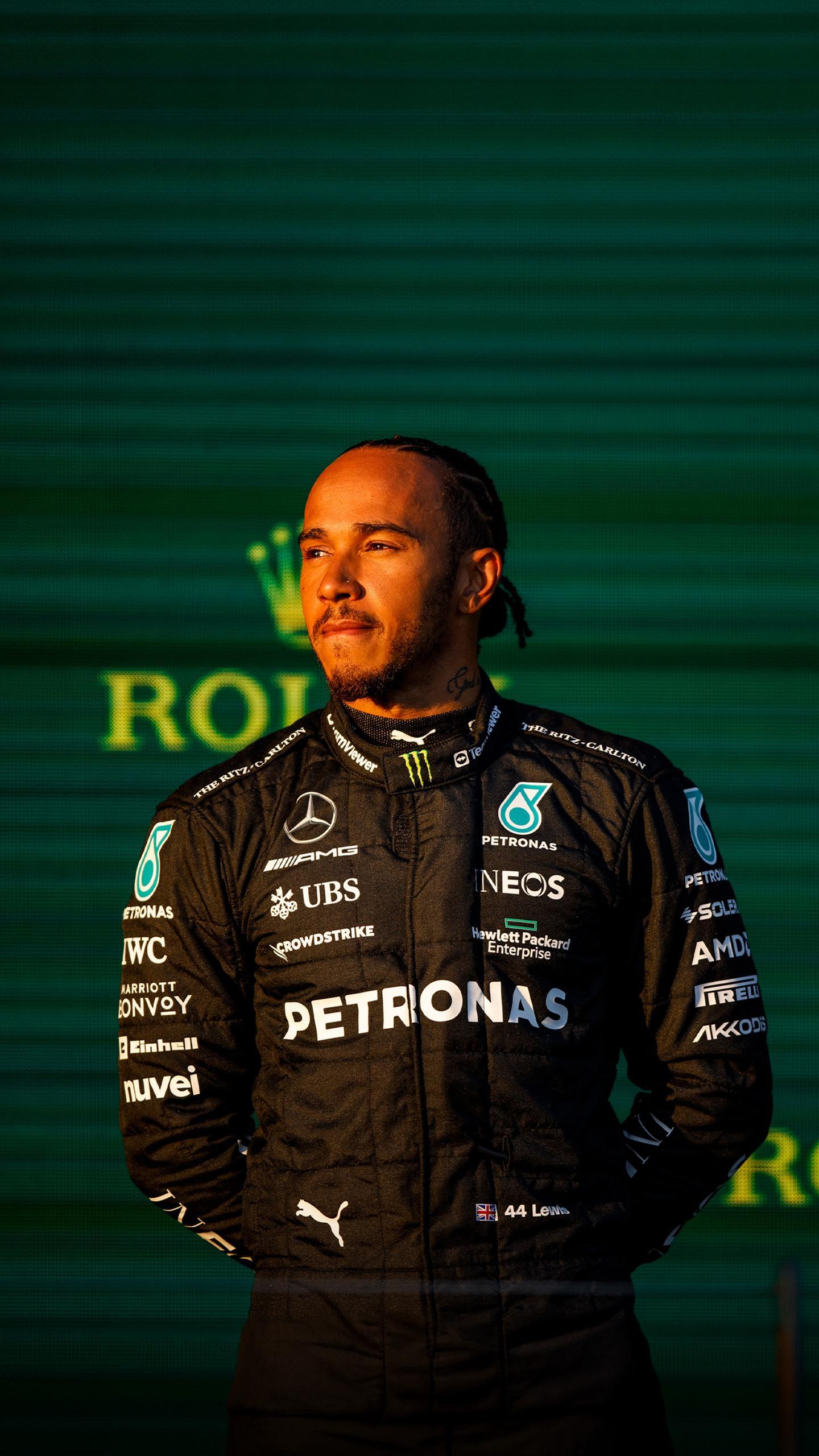
Seven-time Formula 1 world champion Lewis Hamilton has voiced strong criticism against former Formula 1 drivers, accusing them of 'talking smack' and lacking empathy towards the sport's younger generation.
Hamilton's comments follow Kimi Antonelli's recent maiden world title, making him the youngest Formula 1 champion. Hamilton expressed pride in the new wave of young drivers, including Isack Hadjar, Gabriel Bortoleto, Oliver Bearman, and Arvid Lindblad, highlighting their resilience and humility. He stated that many ex-drivers, despite having faced similar challenges in their careers, are overly critical and forget the difficulties young competitors encounter. Hamilton emphasized his personal commitment to not become that type of driver, praising the current young drivers for their ability to overcome setbacks with grace.
Why It's Important?
Hamilton's remarks highlight a significant issue within professional sports: the generational divide and the treatment of emerging talent by established figures. His call for empathy from former drivers underscores the psychological pressures faced by young athletes in high-stakes environments like Formula 1. This criticism could spark a broader conversation within the sport about mentorship, constructive criticism, and the responsibility of veterans to foster a supportive environment for newcomers. For young drivers, Hamilton's defense offers validation and encouragement, potentially boosting their confidence amidst intense scrutiny. For the sport itself, a more empathetic approach from former drivers could improve the overall culture, making it more welcoming and conducive to the development of future champions, thereby ensuring the continued health and competitiveness of Formula 1.
What's Next?
Hamilton's comments may prompt a reaction from the former Formula 1 drivers he criticized, potentially leading to public discussions or debates about their roles as commentators and mentors. It could also encourage current and former drivers to reflect on their interactions with younger talent and potentially adopt a more supportive stance. The issue might also lead to internal discussions within Formula 1 teams and organizations about how to better support young drivers, both on and off the track. This could manifest in new mentorship programs or revised media guidelines for commentators. Ultimately, the discourse initiated by Hamilton could contribute to a shift in how young drivers are perceived and treated within the Formula 1 community, fostering a more nurturing environment for their development.
Beyond the Headlines
Beyond the immediate context of Formula 1, Hamilton's critique touches upon universal themes of intergenerational dynamics and the importance of empathy in competitive fields. His stance challenges the 'tough love' approach often prevalent in elite sports, advocating instead for understanding and support. This could have broader implications for how talent development is approached in other high-pressure industries, encouraging a re-evaluation of mentorship styles. The discussion also highlights the role of media and commentary in shaping public perception of athletes, particularly young ones, and the ethical responsibility of those in influential positions. Hamilton's advocacy for empathy could inspire a more compassionate approach to evaluating performance and potential across various professional domains, fostering environments where individuals feel supported rather than constantly scrutinized.