
What's Happening?
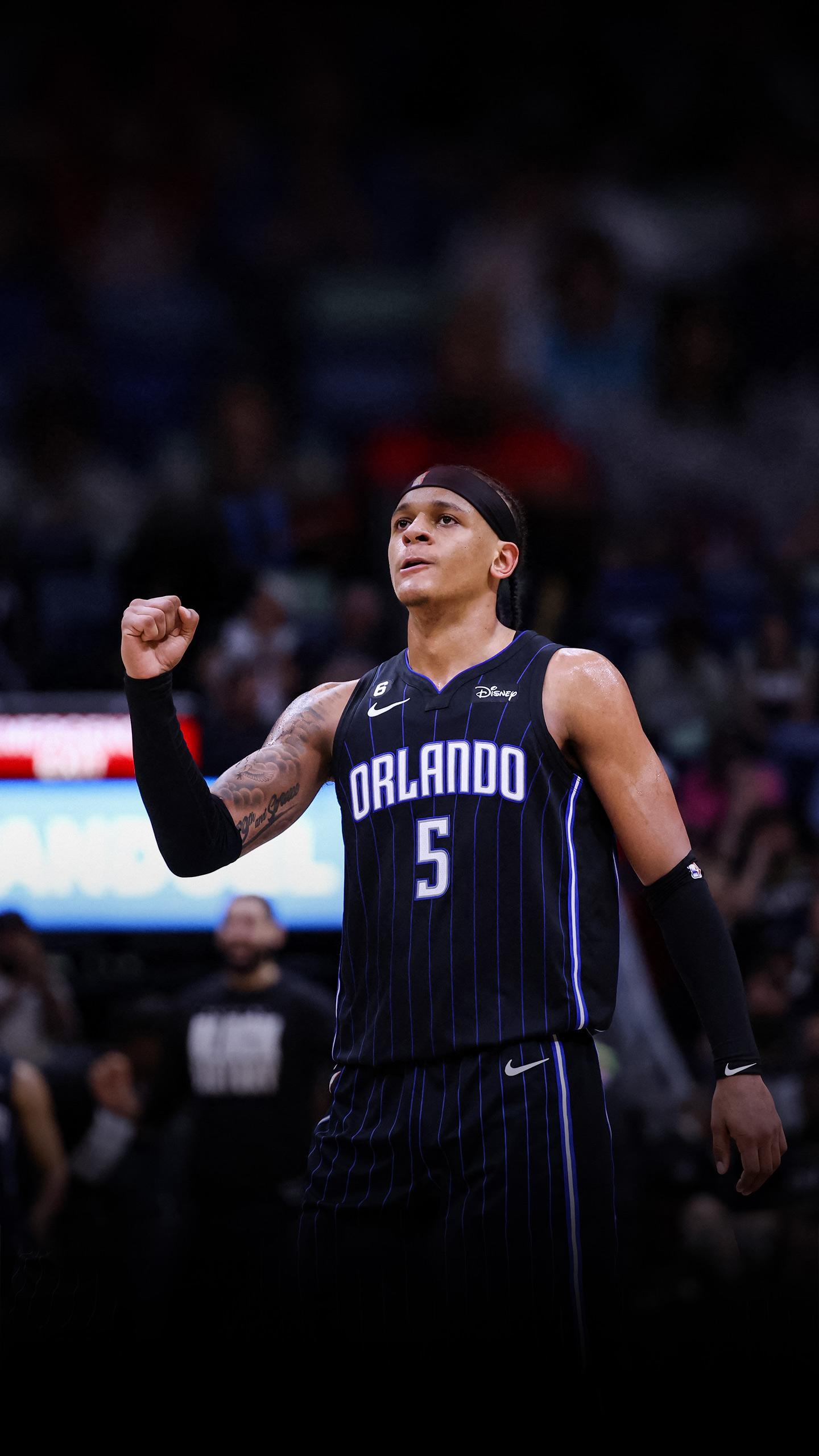
Orlando Magic forward Paolo Banchero has become a team owner in the newly announced Futures Basketball League. This league, backed by NBA stars LeBron James and Kevin Durant, aims to reform the youth basketball
system in the United States by providing compensation to top U18 players through Name, Image, and Likeness (NIL) deals. The Futures League is set to launch in April 2027, targeting the nation's top 120 under-18 basketball players. The league's chairman and co-founder, Jason Stein, highlighted the current fragmented system where young players often lack fair compensation and professional coaching. The cost to buy into a team is $6 million, with investors also receiving equity in the league. Former NBA player Derrick Rose is also an investor and will manage the Chicago team, expressing that such an opportunity would have been beneficial during his youth. The league plans to operate from April through August, culminating in a championship, and will initially feature 12 teams, each representing a geographic region.
Why It's Important?
The establishment of the Futures Basketball League, with significant backing from current and former NBA players like LeBron James, Kevin Durant, and Paolo Banchero, marks a pivotal shift in the landscape of youth sports in the U.S. This initiative directly addresses long-standing criticisms of the amateur sports model, particularly the lack of compensation and professional structure for highly talented young athletes. By offering NIL deals, the league challenges the traditional amateurism rules that have often prevented young players from profiting from their skills while various organizations and companies benefited. This could set a precedent for other youth sports, potentially leading to a broader reevaluation of how young athletes are compensated and developed. The involvement of high-profile figures lends credibility and significant financial backing, suggesting a serious attempt to create a sustainable and impactful alternative to existing youth basketball circuits. This development could empower young athletes, providing them with financial opportunities and professional guidance earlier in their careers, while also potentially disrupting the influence of shoe companies and other entities in youth sports.
What's Next?
The Futures Basketball League is scheduled to launch in April 2027, with plans to operate through August, culminating in a championship. The league intends to start with 12 teams, each representing a specific geographic region, and will recruit players within those territories. A key next step will involve the recruitment of players, with former NBA star Derrick Rose already indicating his readiness to begin recruiting for the Chicago team. The league also aims to secure sponsorships and a media rights deal for broadcasting games, which will be crucial for its financial sustainability and public visibility. Furthermore, the league will facilitate additional NIL deals for players with other sponsors. A significant challenge will be navigating relationships with existing summer league circuits and major shoe companies, which have historically played a dominant role in youth basketball. The league's success will depend on its ability to attract top talent and establish a viable operational model that offers a compelling alternative to the current system.
Beyond the Headlines
The Futures Basketball League's model of compensating U18 players through NIL deals raises profound ethical and legal questions regarding amateurism and the commercialization of youth sports. While it aims to provide fair value to young athletes, it also accelerates their entry into a professionalized environment, potentially impacting their educational paths and overall development. The league's structure, where players are contracted and paid by the league while retaining college eligibility, could influence NCAA regulations and the broader debate around student-athlete compensation. This initiative could also lead to a more equitable distribution of wealth within youth sports, shifting power dynamics away from traditional gatekeepers. However, it also introduces new complexities, such as potential pressures on young athletes to perform for financial gain and the ethical considerations of marketing and branding minors. The long-term cultural shift could see a greater acceptance of professional pathways for young athletes outside of traditional collegiate routes, fundamentally altering the pipeline for professional sports in the U.S.