


What's Happening?
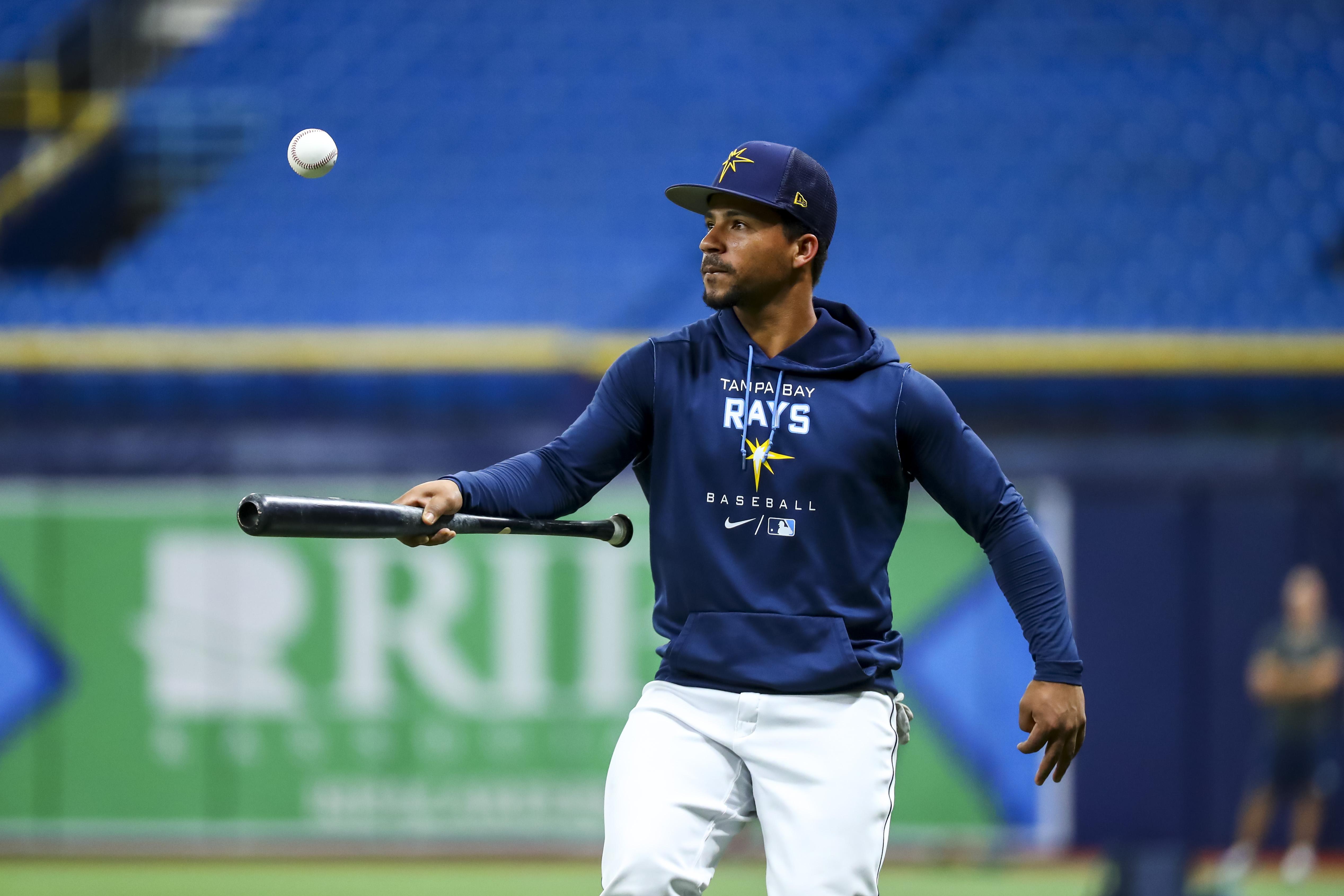
The Tampa Bay Rays are navigating critical roster decisions as the non-tender deadline approaches, requiring them to offer contracts to arbitration-eligible players or release them into free agency. The team
initially had 17 arbitration-eligible players but has reduced that number to 13 through various moves. Infielder Nick Madrigal was outrighted from the roster and subsequently elected to become a free agent. The Rays exercised their team option for Taylor Walls at $3.1 million, a figure lower than his projected arbitration salary of $3.5 million. Jesse Scholtens was released to pursue an opportunity in Korea, and Nick Fortes was traded to the Boston Red Sox in exchange for minor leaguer Angel Roa. These transactions have left the Rays with 38 players on their 40-man roster. The remaining 13 arbitration-eligible players include prominent names such as Shane McClanahan, Tyler Wells, and Griffin Jax, among others, each with projected 2027 salaries ranging from $900,000 to $6.6 million, according to MLB Trade Rumors.
Why It's Important?
These roster decisions are crucial for the Tampa Bay Rays as they aim to finalize their team composition before the potential expiration of the league’s collective bargaining agreement in early December, which could lead to a lockout and a halt in baseball activities. The non-tender deadline forces teams to make strategic choices about player value, future potential, and salary commitments. By non-tendering players, teams can shed salary and open up roster spots, but they also risk losing talent without compensation. Conversely, tendering contracts signifies a commitment to a player, often at a higher arbitration-determined salary. The Rays' moves, such as exercising Taylor Walls' option at a lower cost and trading Nick Fortes, reflect a calculated effort to manage their payroll and optimize their roster. These decisions will directly impact the team's competitiveness in the upcoming season and its long-term financial flexibility, influencing how they can pursue free agents or make further trades.
What's Next?
The immediate next step for the Tampa Bay Rays is to make final decisions on the remaining 13 arbitration-eligible players by the non-tender deadline. Following this, the team will likely continue to assess its roster needs and explore opportunities in the free-agent market or through trades. The impending expiration of the collective bargaining agreement in early December adds an urgent layer to these decisions, as teams are actively trying to complete their rosters before a potential lockout. This period of uncertainty could accelerate negotiations and transactions as teams aim to secure their players and avoid being caught unprepared by a cessation of baseball operations. The Rays' actions in the coming days will set the stage for their offseason strategy and their readiness for the next MLB season, with potential implications for player movement across the league.
Beyond the Headlines
The strategic maneuvering by the Tampa Bay Rays around the non-tender deadline highlights the intricate balance between player valuation, salary management, and future team building in professional sports. The decision to non-tender a player is not merely about cost-cutting; it often reflects a broader organizational philosophy regarding player development, roster flexibility, and the allocation of resources. For players, being non-tendered can be a significant career juncture, forcing them into free agency and potentially to new teams. The collective bargaining agreement's looming expiration further underscores the economic and labor dynamics at play, where teams and players are both operating under a tight timeline and considerable uncertainty. These decisions, while seemingly individual player transactions, collectively shape the competitive landscape of Major League Baseball and reflect the ongoing negotiation of value between athletes and franchises.