


What's Happening?
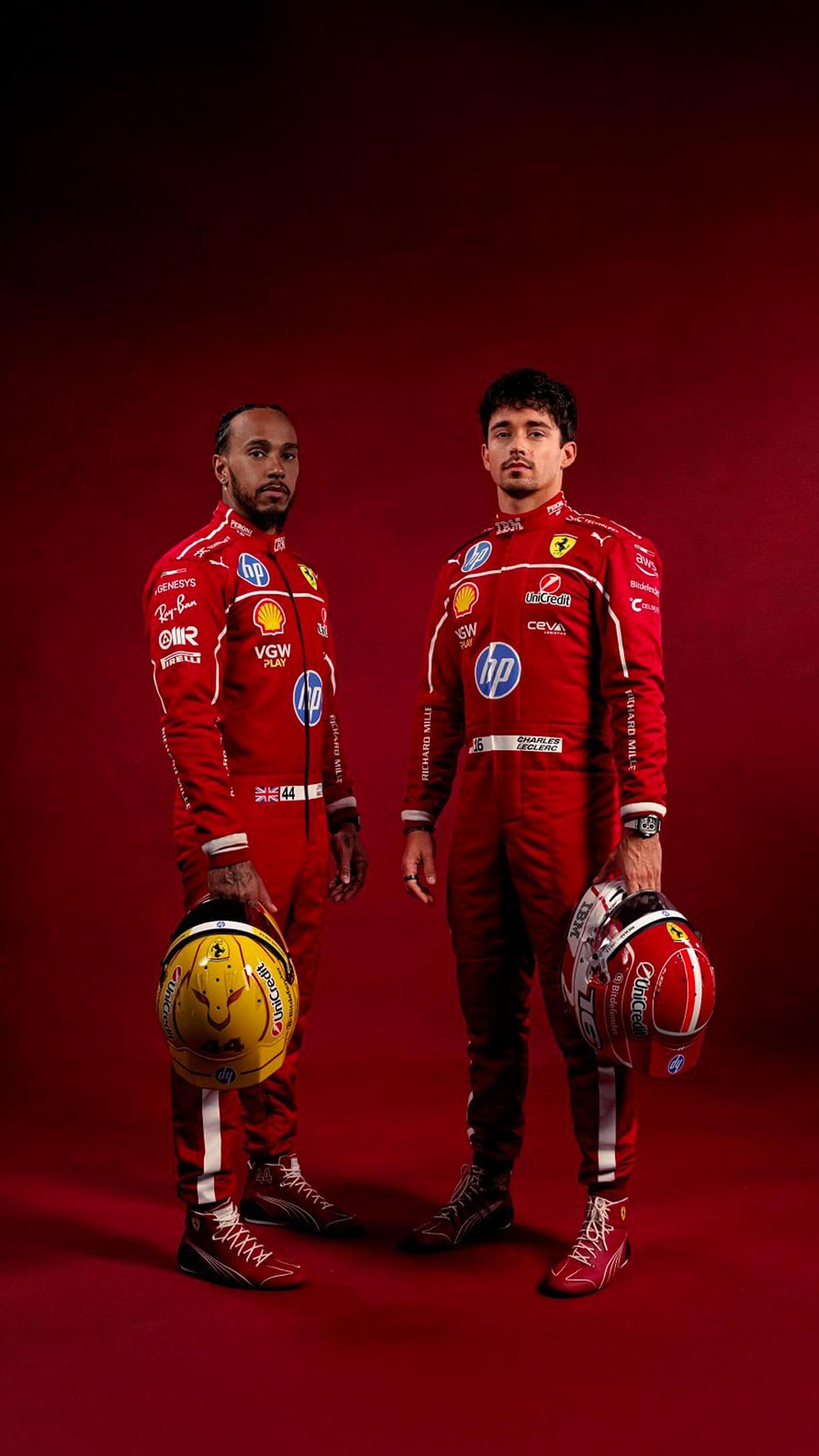
Charles Leclerc has been named Formula 1's most commercially attractive driver, according to SportsPro's latest ranking of the world's 50 Most Marketable Athletes. Leclerc, a Ferrari driver, now holds
the ninth position overall with a marketability score of 71.12 out of 100, making him the highest-ranked Formula 1 driver. This marks a significant shift, as Lewis Hamilton, who was ranked first last year, has dropped to 22nd place with his score falling from 96.03 to 66.63. Chris Collins, president of NorthStar Solutions Group, which compiles the data, attributes Leclerc's appeal to his presentation, compelling personal story, and strong partnerships. Hamilton's decline is largely attributed to his age, with Collins noting that at 41, he has less career runway ahead. Other notable Formula 1 drivers in the ranking include Max Verstappen at 48th, George Russell at 55th, and Oscar Piastri at 56th.
Why It's Important?
This shift in marketability has significant implications for the commercial landscape of Formula 1, particularly for U.S. brands and advertisers looking to engage with the sport's growing audience. Leclerc's rise indicates a changing of the guard in terms of athlete endorsement potential, suggesting that younger, emerging talents are increasingly appealing to global markets. For companies seeking to maximize their return on investment in sports sponsorships, understanding these marketability trends is crucial. It could lead to a reallocation of marketing budgets towards drivers like Leclerc, potentially impacting endorsement deals, media appearances, and brand partnerships. Hamilton's decline, while attributed to age, also highlights the transient nature of athlete marketability and the constant need for brands to adapt their strategies to align with current fan sentiment and demographic shifts. This trend could also influence how teams develop and promote their drivers, focusing on building compelling personal brands from early in their careers.
What's Next?
The continued rise of Charles Leclerc's marketability suggests that he will likely become a central figure in future Formula 1 marketing campaigns and brand partnerships. This could lead to increased commercial opportunities for Leclerc and Ferrari, potentially attracting new sponsors and expanding their global reach, especially in markets where Formula 1 is gaining traction, such as the U.S. For Lewis Hamilton, while his marketability has decreased, his established global presence and upcoming move to Ferrari will likely maintain his appeal to a significant segment of the market, albeit with a different commercial focus. The rankings will continue to be a key indicator for brands and investors, influencing strategic decisions on athlete endorsements and sponsorship allocations within the sport. Future rankings will reveal whether Leclerc can maintain his top position and if other emerging talents can challenge the established order.
Beyond the Headlines
The marketability rankings reflect more than just commercial appeal; they offer insights into the evolving fan base and cultural impact of Formula 1. Leclerc's success underscores a growing appreciation for authenticity, personal narrative, and engagement with fans, particularly among younger demographics. This trend suggests that athletes who actively cultivate their personal brands and connect with their audience on a deeper level are gaining an edge in marketability. The shift also highlights the generational transition occurring within Formula 1, as new stars emerge to challenge the dominance of established legends. This could lead to a broader diversification of fan engagement strategies by teams and the sport itself, moving beyond traditional performance metrics to embrace a more holistic view of athlete influence and appeal. The data also implicitly suggests that longevity in a sport, while admirable, eventually gives way to the fresh appeal of rising stars in the commercial sphere.