
What's Happening?
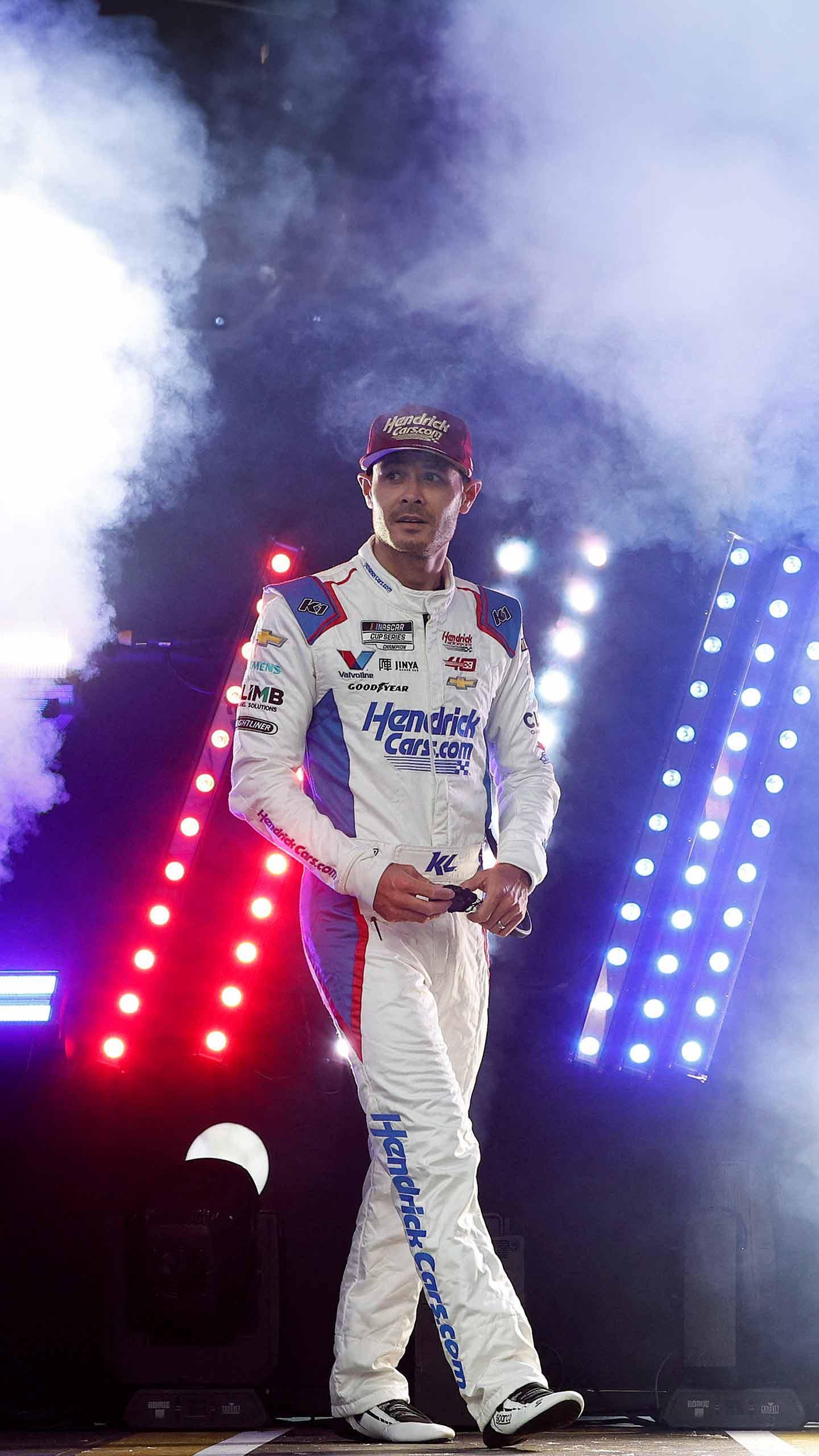
Kyle Larson has won his third NASCAR Cup Series championship, concluding a 2026 season marked by numerous controversial penalties and officiating disputes. Larson's consistency ultimately led him to the
title at Homestead-Miami Speedway. The season saw significant disciplinary actions, including fines and points deductions for drivers like Carson Hocevar and Josh Berry for intentional brake-checking incidents at Martinsville Speedway. Hocevar received a $100,000 fine and a 25-point deduction, leading to his suspension from the Homestead-Miami finale. Berry faced a $50,000 fine and a 25-point deduction. Beyond driver conduct, technical inspection failures and safety violations also impacted the season, with Ross Chastain's team facing penalties at North Wilkesboro Speedway for failing pre-race inspection multiple times. The O'Reilly Auto Parts Series also saw Brandon Jones disqualified at Las Vegas Motor Speedway due to unsafe lug nuts. These incidents fueled ongoing debates about NASCAR's officiating consistency and the criteria for imposing penalties.
Why It's Important?
The prevalence of controversial penalties and officiating decisions throughout the 2026 NASCAR Cup Series season has significant implications for the sport's integrity and competitive balance. Inconsistent application of rules, as highlighted by differing outcomes for similar incidents (e.g., the Bristol confrontation versus penalties for Preece and Smith), can erode fan trust and create an uneven playing field. Drivers and teams invest substantial resources, and arbitrary or unclear penalty enforcement can directly impact championship standings and financial outcomes. The debate over 'brake-checking' and technical violations underscores the need for clear, consistently applied regulations to maintain fairness. The financial penalties and points deductions can severely affect a team's season trajectory and a driver's career, making transparent and justifiable officiating crucial for the sport's long-term credibility and appeal to both participants and its dedicated fanbase.
What's Next?
NASCAR will likely face continued scrutiny regarding its penalty system and officiating consistency following the 2026 season. The ongoing debate suggests a potential need for a review or clarification of rules, particularly concerning driver conduct and technical inspections. Stakeholders, including team owners, drivers, and fan groups, may pressure NASCAR to establish more transparent and consistent guidelines for penalties, potentially leading to formal discussions or rule changes in the off-season or ahead of the 2027 season. The impact of these controversies on driver morale and team strategies will also be a key area to watch, as teams may adjust their approaches to avoid penalties or challenge perceived inconsistencies. The sport's leadership will need to address these concerns to ensure a fair and predictable competitive environment moving forward.
Beyond the Headlines
The controversies surrounding NASCAR penalties in 2026 extend beyond immediate race outcomes, touching upon deeper ethical and legal considerations within professional sports. The use of SMT telemetry data for penalizing 'brake-checking' raises questions about the balance between technological evidence and subjective interpretation of driver intent. The differing responses to physical confrontations, such as the unpunished Bristol incident versus other fines, highlight the challenge of defining acceptable conduct in a high-stakes, emotionally charged environment. This situation could lead to broader discussions about sports governance, the role of technology in officiating, and the psychological impact of inconsistent rule enforcement on athletes. Ultimately, the integrity of NASCAR, like any major sport, relies on a perceived sense of fairness, and these incidents could prompt a re-evaluation of how the sport balances competitive intensity with ethical conduct and consistent rule application.