

What's Happening?
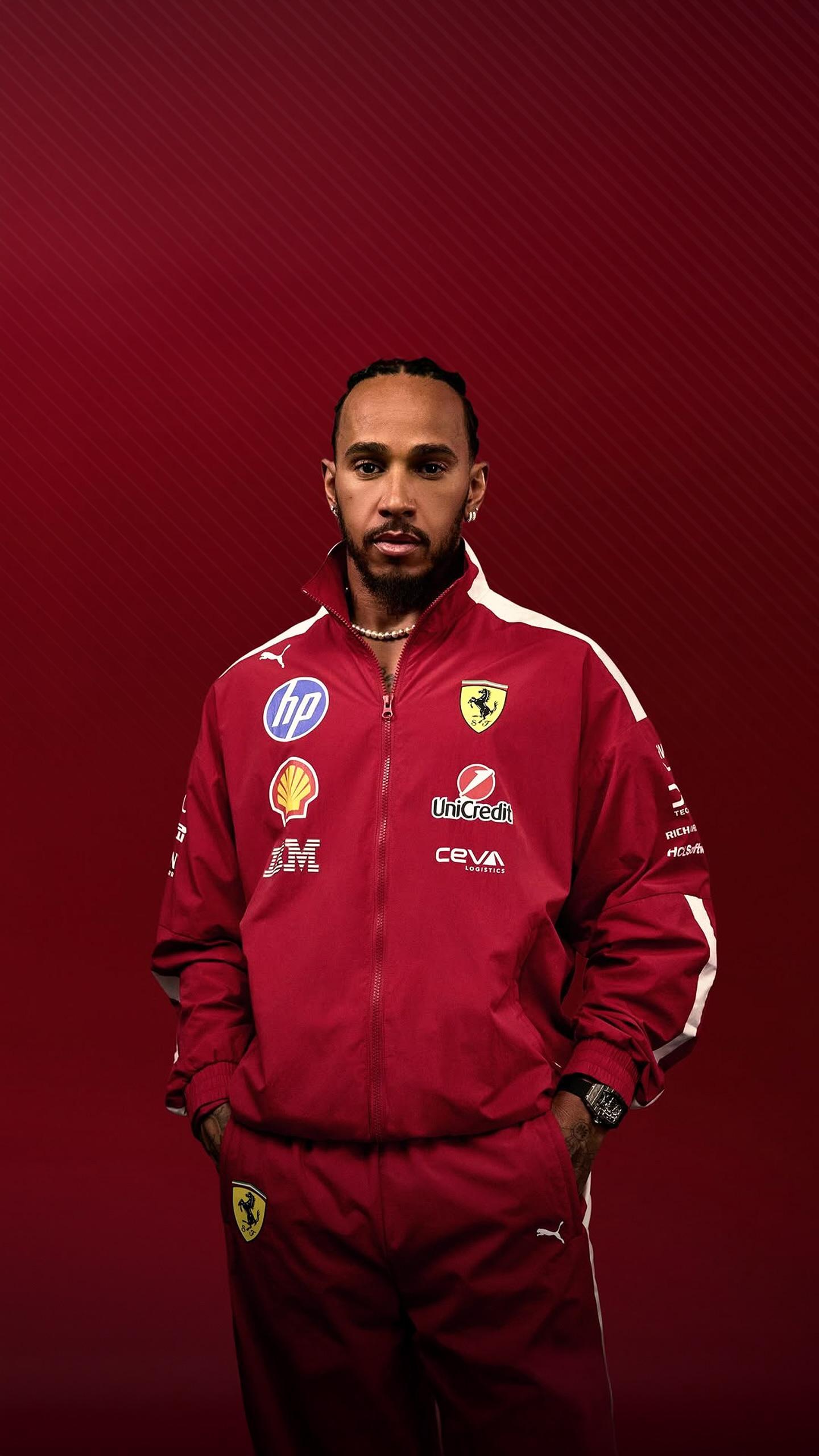
Lewis Hamilton has declared his intention to continue molding Ferrari into a championship-winning organization for as long as he remains with the team. Ferrari has not secured a drivers' title since 2007
or a constructors' crown since 2008, and Hamilton's move to Maranello was partly driven by the ambition to restore the team's former glory. After a challenging first season in 2025 without a podium finish, Hamilton has rebounded in 2026, contending for the title until the summer break. Despite this, tensions have emerged between Hamilton and his teammate Charles Leclerc, particularly after an incident at the Mexico City Grand Prix that cost Ferrari a potential one-two finish. Hamilton, known for his outspoken nature and push for change, asserts that his approach to transforming the team will persist.
Why It's Important?
Hamilton's strong stance highlights the internal dynamics and potential power struggles within Ferrari, a team with a rich history but a recent drought in championships. His determination to implement changes, even if it creates friction with a homegrown talent like Leclerc, underscores his commitment to winning. This situation could either galvanize Ferrari towards greater success by adopting Hamilton's championship-winning methodologies or exacerbate internal divisions, potentially hindering their progress. The outcome of this internal push will significantly influence Ferrari's performance in the upcoming seasons and could set a precedent for how established champions integrate into new teams with existing star drivers.
What's Next?
Hamilton plans to continue working closely with Ferrari's head of aero and head of vehicle dynamics to refine the car and improve its performance. He also hopes for significant advancements from the power unit department. The ongoing tensions between Hamilton and Leclerc will be a key area to watch, as their ability to work harmoniously will be crucial for the team's overall success. Ferrari's performance in the remaining three rounds of the 2026 season will provide an early indication of their progress and the effectiveness of Hamilton's influence. The team's ability to manage these internal dynamics while simultaneously developing a competitive car for 2027 will be critical.
Beyond the Headlines
Hamilton's assertive approach to team transformation reflects a broader challenge in Formula 1: integrating highly successful, strong-willed drivers into established team structures. His willingness to push for extensive changes, even at the risk of internal conflict, speaks to the relentless pursuit of excellence required to win championships. This scenario also raises questions about team leadership and how they balance the needs of individual star drivers with the collective goal of the team. The long-term impact of Hamilton's tenure at Ferrari could redefine the team's culture and operational strategies, potentially leading to a new era of success or highlighting the complexities of managing multiple top-tier talents.