


What's Happening?
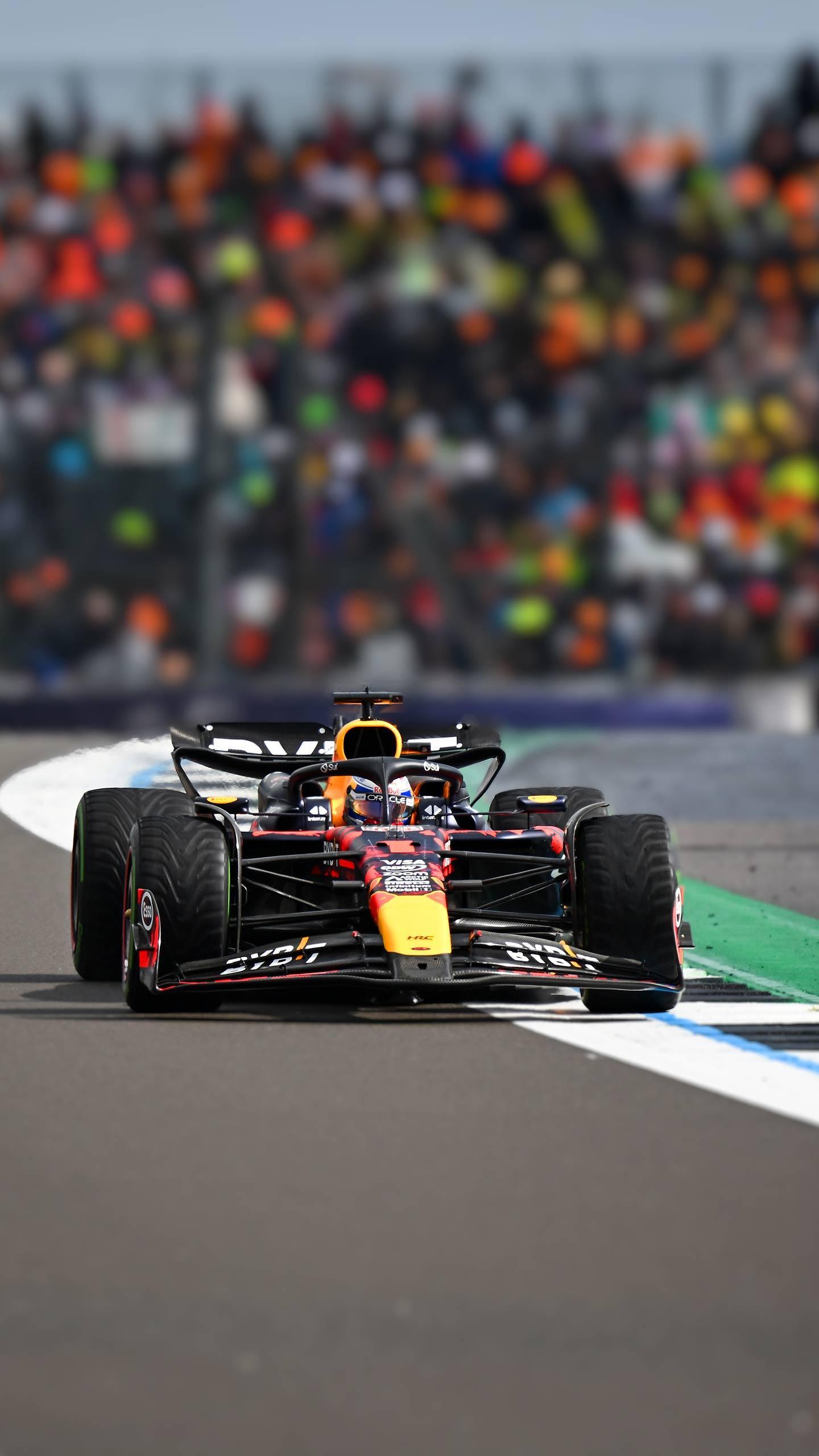
Motorsport commentator Martin Brundle has strongly criticized Red Bull, stating it would be 'pathetic' if a practice collision between Liam Lawson and Max Verstappen at the Mexico City Grand Prix influenced
Lawson's potential exit from his Racing Bulls seat for 2027. The incident occurred during FP2 in Mexico, where both drivers were making up for lost track time after junior drivers participated in the opening session. FIA stewards deemed both Lawson and Verstappen equally at fault, issuing each a one-place grid penalty and a penalty point on their superlicences. Lawson's future with Racing Bulls remains uncertain, as team principal Alan Permane confirmed the team is evaluating Lawson against junior prospects Arvid Lindblad and Nikola Tsolov for the two available race seats. Tsolov, who drove Lawson's car in FP1, is reportedly a frontrunner to replace him.
Why It's Important?
This situation highlights the intense pressure and high stakes involved in Formula 1 driver selections, particularly within the Red Bull ecosystem known for its rigorous junior driver program. Martin Brundle's strong remarks underscore concerns about fairness and the potential for internal politics to unduly influence career decisions. If a minor on-track incident, where both drivers were penalized equally, were to be a deciding factor in a driver's future, it could be perceived as an unfair and arbitrary basis for career progression. This could demoralize young drivers striving to enter F1 and raise questions about the transparency and objectivity of team management decisions. For Liam Lawson, who has shown promise, a premature exit could significantly impact his F1 career trajectory, while for Red Bull, such a decision could draw criticism regarding its talent management practices and internal fairness.
What's Next?
The immediate focus will be on Racing Bulls' decision regarding their 2027 driver lineup, with Alan Permane indicating that Liam Lawson's future is still under review against other junior prospects like Arvid Lindblad and Nikola Tsolov. The outcome of this evaluation will determine Lawson's immediate career path in Formula 1. If Lawson is not retained, it will be a significant setback for his F1 aspirations, potentially forcing him to seek opportunities with other teams or in different racing series. Conversely, if he secures a seat, it would validate his performance and potential. The broader implications for Red Bull's driver development program will also be observed, as decisions like this can influence how aspiring young drivers view their chances within the Red Bull family. The racing community will be watching closely to see if the Mexico City incident truly plays a role in the final decision, as Brundle suggested it would be 'pathetic' if it did.
Beyond the Headlines
The controversy surrounding Liam Lawson's potential exit touches upon the broader ethical considerations in professional sports, particularly the balance between competitive performance, team dynamics, and fair career progression. The incident with Max Verstappen, while a minor on-track event, has been amplified by the context of driver selection, revealing the intense scrutiny and political maneuvering that can occur behind the scenes. This situation also highlights the precarious position of junior drivers in F1, who often rely heavily on team backing for their careers. The perception of fairness in such decisions can significantly impact a team's reputation and its ability to attract future talent. If Red Bull is seen to make decisions based on trivial incidents rather than overall performance and potential, it could deter promising young drivers from joining their academy, affecting their long-term talent pipeline. This scenario underscores the complex interplay of talent, opportunity, and internal politics that shapes careers at the pinnacle of motorsport.