


What's Happening?
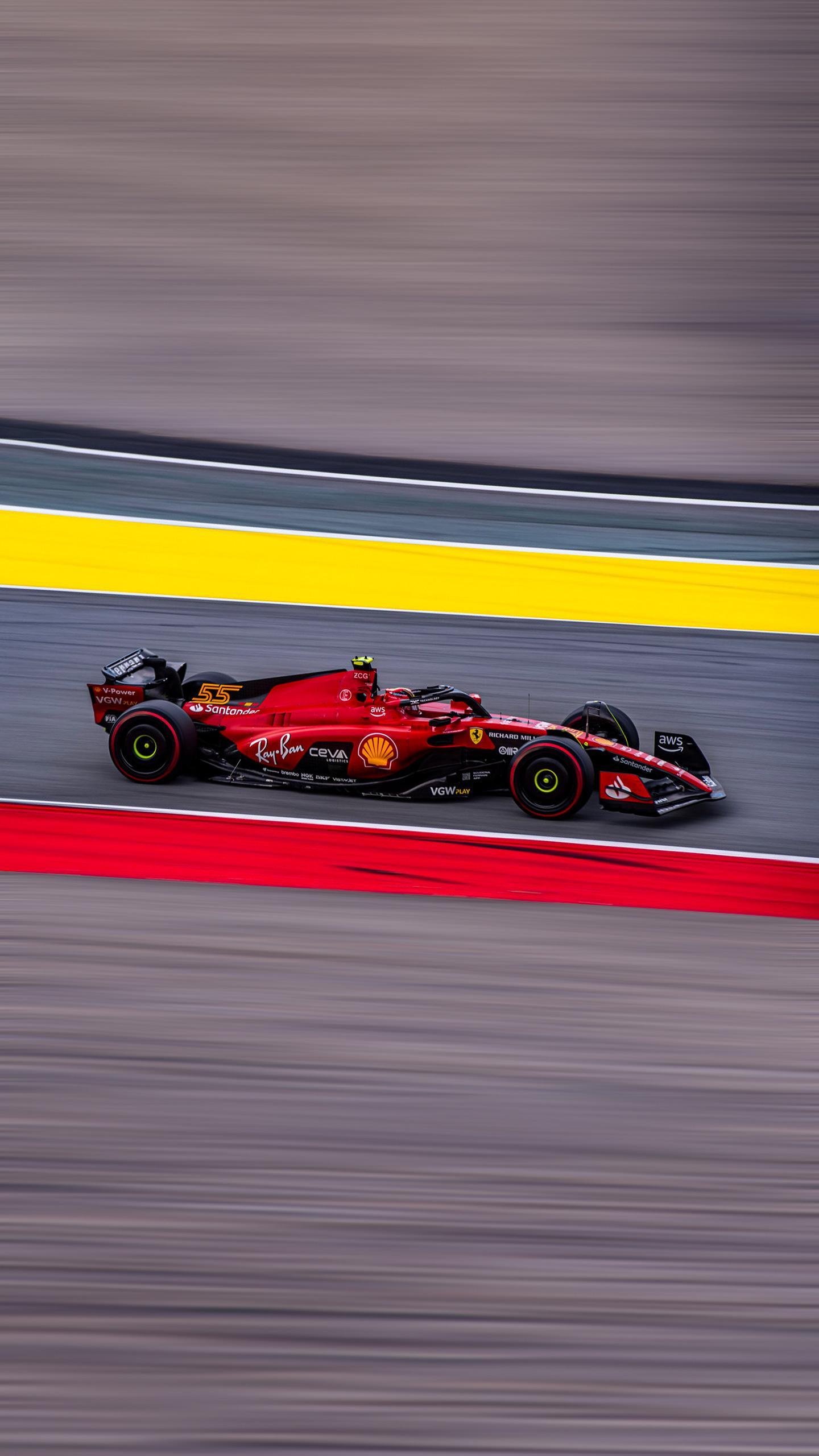
Formula 1 driver Carlos Sainz was recently spotted driving a $14,000 Fiat Topolino Dolce Vita in Monaco, choosing it over his extensive collection of high-value Ferraris, including a $3 million Ferrari Daytona
SP3. Sainz, who permanently resides in Monaco, frequently uses the all-electric Fiat for navigating the city's tight streets. His car collection also includes a Ferrari 812 Competizione, a Ferrari SF90 XX Spider, a Ferrari Roma coupe, and a Ferrari Purosangue SUV, among others. Despite owning numerous luxury and performance vehicles, Sainz has expressed a fondness for more humble cars, such as his Volkswagen Polo GTI, which he still drives in Madrid and considers one of the best cars he has ever driven due to its practicality and engineering quality.
Why It's Important?
This choice by a high-profile figure like Carlos Sainz highlights a growing trend towards practicality and sustainability, even among those with access to extreme luxury. For the automotive industry, it underscores the potential market for compact, electric vehicles in urban environments, even in affluent areas. It challenges the perception that luxury car owners exclusively drive their most expensive vehicles, suggesting that convenience and suitability for specific conditions can outweigh status symbols. This could influence marketing strategies for both luxury and economy car manufacturers, with luxury brands potentially emphasizing the practicality of their smaller models, and economy brands gaining credibility from such endorsements. It also reflects a broader societal shift where environmental consciousness and urban mobility solutions are becoming increasingly valued.
What's Next?
The public visibility of a celebrity like Carlos Sainz choosing an affordable electric vehicle for daily use could further normalize and popularize such cars, particularly in dense urban settings. This might lead to increased consumer interest in compact electric vehicles, potentially boosting sales for brands like Fiat and encouraging other manufacturers to develop similar models. We could also see more celebrities and public figures openly embracing practical and environmentally friendly transportation options, further influencing public perception and purchasing habits. This trend could accelerate the adoption of electric vehicles in urban areas and contribute to discussions around sustainable living, even within high-net-worth communities. It may also prompt luxury brands to consider how their offerings fit into a more practical, everyday lifestyle.
Beyond the Headlines
Carlos Sainz's preference for a $14,000 Fiat over a $3 million Ferrari delves into the psychological aspects of wealth and utility. It suggests that beyond a certain point, the utility and convenience of a product can supersede its monetary value or status symbol. This challenges the conventional notion that luxury is always about extravagance and exclusivity. It highlights a potential shift in values, where functionality and personal preference, rather than just ostentation, dictate choices even among the ultra-wealthy. This could have broader implications for how luxury is defined and consumed, moving towards a more understated and practical approach, where personal satisfaction and suitability for purpose are prioritized over sheer cost or brand prestige. It also subtly promotes the idea that true wealth allows for freedom of choice, including the choice of simplicity.