



What's Happening?
Christian Horner, former Team Principal and CEO of the Red Bull Formula 1 team, has recently disclosed the circumstances surrounding his dismissal in July of last year. Horner, who led the Milton Keynes-based
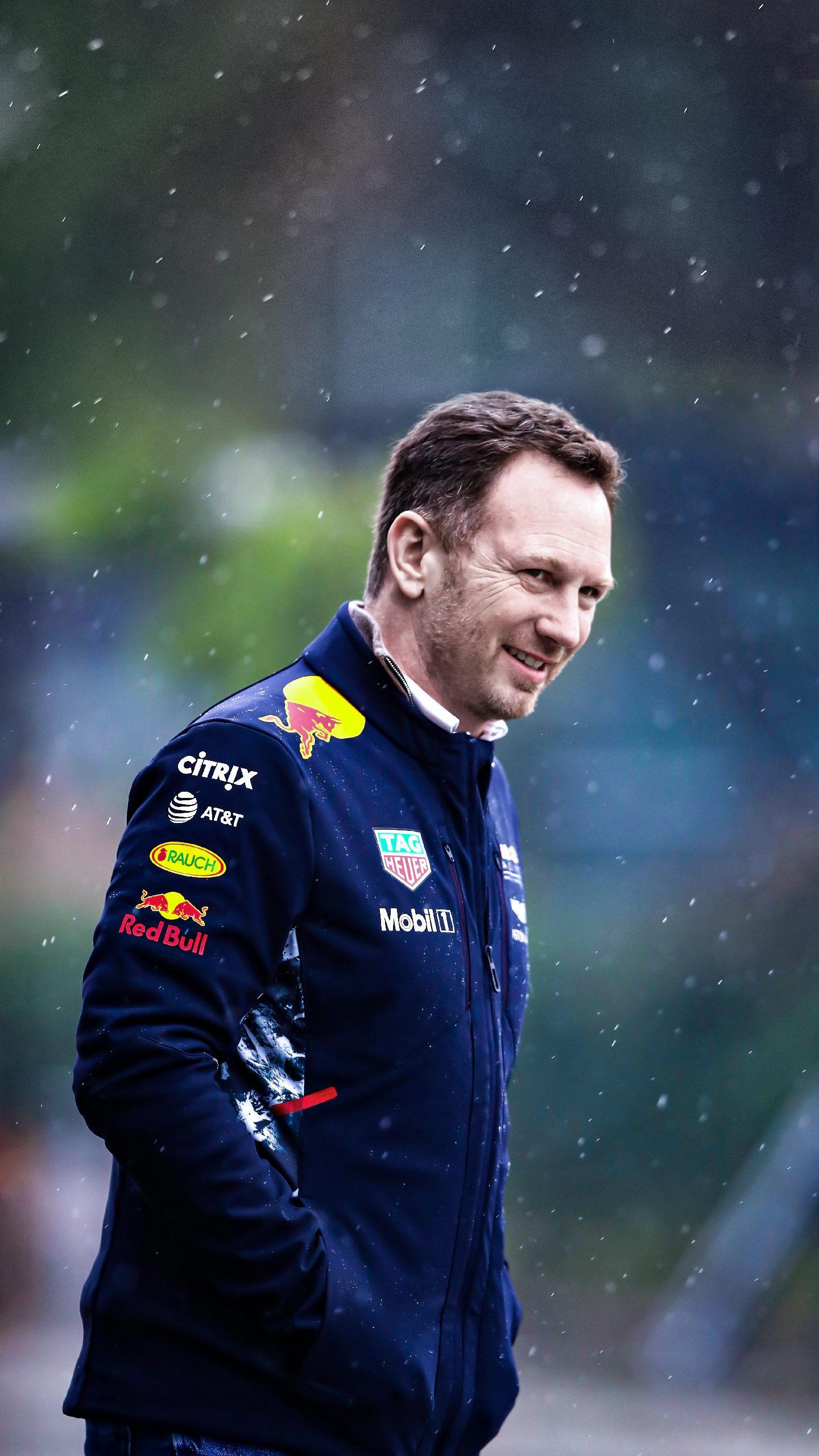
outfit for two decades, stated that his ousting was abrupt and unexpected. He claims he was called to London under the pretense of marketing discussions, only to be confronted by Red Bull CEO Oliver Mintzlaff, Helmut Marko, and Red Bull’s head of HR with a press release announcing his departure. According to Horner, when he pressed for a reason, he was told, 'It’s more Christian Horner Racing than Red Bull Racing.' This revelation sheds new light on a departure that was previously attributed to a decline in team performance since 2024 and allegations of 'inappropriate behavior.' Horner's memoir, 'Drive,' which details these events, was released in the UK last month with a global release scheduled for early 2027.
Why It's Important?
Horner's account of his dismissal from Red Bull Racing is significant for the motorsports industry, particularly Formula 1. His long tenure and success with the team make his departure a notable event, and his explanation challenges the previously understood narrative. The 'Christian Horner Racing' comment suggests a potential internal power struggle or a perception within Red Bull that Horner had become too central to the team's identity, overshadowing the brand itself. This could influence how other team principals and corporate entities manage their public image and internal dynamics in high-profile sports. For fans and stakeholders, this insight into the inner workings of a top F1 team provides a rare glimpse into the complexities of corporate leadership in professional sports. The allegations of 'inappropriate behavior' also highlight the increasing scrutiny on public figures in sports and the potential impact of such claims on careers, regardless of their veracity.
What's Next?
Following his departure, Christian Horner has been linked to various teams and ventures within the motorsports world. He was reportedly considered for a minority stake in Alpine, a move that was allegedly blocked by Mercedes and Toto Wolff. Horner has also indicated that Ferrari would be the only team he would consider joining without an offer of equity. Furthermore, he has been associated with Chinese EV giants BYD, with speculation that he could be instrumental in their potential entry into the F1 grid. Horner has stated that any return to Formula 1 would require a 'really exciting project' and would not be undertaken 'just for anything.' The global release of his memoir, 'Drive,' in early 2027 is expected to provide further details and his perspective on these events, potentially sparking more discussion and speculation about his future in the sport.
Beyond the Headlines
The narrative surrounding Christian Horner's dismissal and his subsequent revelations touch upon deeper themes within professional sports, particularly the balance of power between individual leaders and corporate entities. The 'Christian Horner Racing' comment, if accurate, suggests a tension between personal brand and team identity, a common challenge in sports where charismatic figures often become synonymous with their organizations. This situation could prompt a re-evaluation of how team principals are perceived and managed within large sporting franchises. Ethically, the initial public framing of his dismissal versus Horner's personal account raises questions about transparency and accountability in corporate communications, especially when allegations of 'inappropriate behavior' are involved. The ongoing speculation about his return to F1 also highlights the enduring influence of experienced figures in the sport and the constant churn of talent and leadership within its competitive landscape.