
What's Happening?
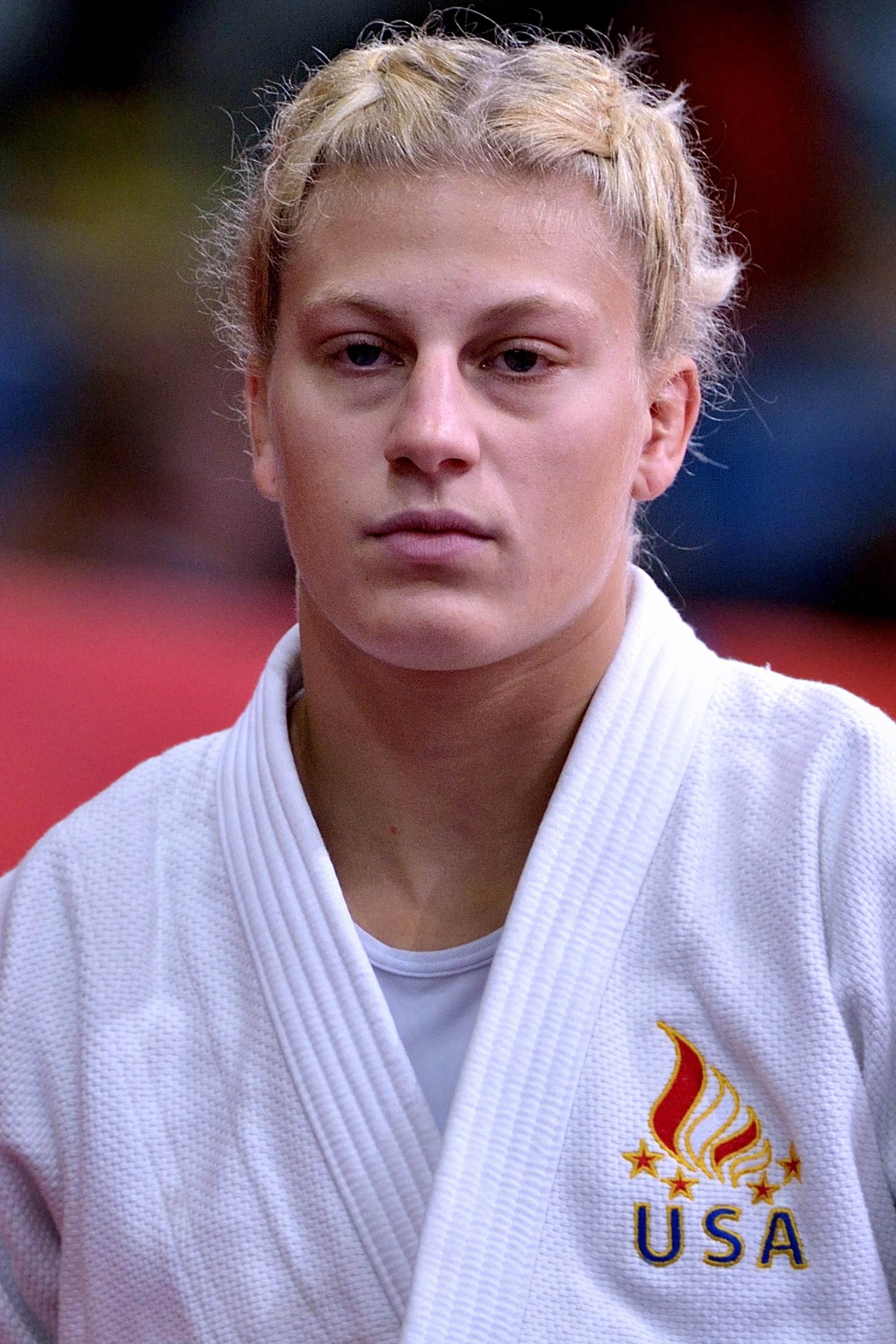
Amanda Nunes, a former two-division UFC champion, is publicly urging Kayla Harrison, the reigning bantamweight titleholder, to commit to a featherweight rematch. This comes after Harrison defeated Nunes via
fourth-round submission at UFC 334. Following the fight, Harrison expressed interest in a 145-pound rematch, which Nunes quickly accepted on social media. However, Nunes has since taken to Instagram Stories to accuse Harrison of attempting to dictate the terms of the potential fight, stating, "Kayla Harrison thinks she comes to UFC, she thinks she can do whatever she wants. This is not PFL, baby. UFC wants the rematch. Everybody wants this rematch." Nunes emphasized that the UFC is a major organization and that the rematch will happen on its terms. The UFC has not yet officially announced a second bout between the two fighters.
Why It's Important?
This public challenge from Amanda Nunes highlights the ongoing power dynamics and negotiation tactics within high-stakes professional mixed martial arts. A rematch between Nunes and Harrison, particularly at featherweight, would be a significant event for the UFC, potentially drawing substantial viewership and revenue. For Nunes, securing this rematch offers an opportunity to reclaim her standing and avenge a recent loss, which was her first fight since 2023. For Harrison, a victory over Nunes in a second encounter would further solidify her position as a dominant force in women's MMA. The dispute over who dictates the terms of the fight also underscores the commercial value and star power both athletes bring to the sport, influencing future fight negotiations and promotional strategies within the UFC.
What's Next?
The immediate next step involves potential negotiations between Kayla Harrison, Amanda Nunes, and the UFC to finalize the terms for a featherweight rematch. While Nunes is publicly pushing for the fight, the UFC's official announcement is crucial. Harrison's response to Nunes's public statements will also be a key factor in how these discussions proceed. Should the rematch be confirmed, it would likely be a headlining event, drawing significant media attention and fan anticipation. The outcome of these negotiations could also influence the career trajectories of both fighters, potentially leading to further title defenses for Harrison or a path to redemption for Nunes. The UFC's decision on whether to accommodate Harrison's perceived demands or assert its own control will set a precedent for future fighter negotiations.
Beyond the Headlines
The public exchange between Nunes and Harrison extends beyond a simple call for a rematch; it reflects broader themes of athlete empowerment and promotional control in professional sports. Nunes's assertion that "This is not PFL, baby" subtly critiques the perceived influence fighters might have in other organizations versus the UFC's established structure. This dynamic can impact how other fighters perceive their leverage in negotiations, especially those transitioning from smaller promotions. Furthermore, the intense rivalry and personal stakes involved in such high-profile rematches contribute to the narrative richness of MMA, drawing in audiences who follow not just the athletic competition but also the personal drama and professional ambitions of the athletes. This ongoing narrative helps to build long-term fan engagement and loyalty within the sport.