



What's Happening?
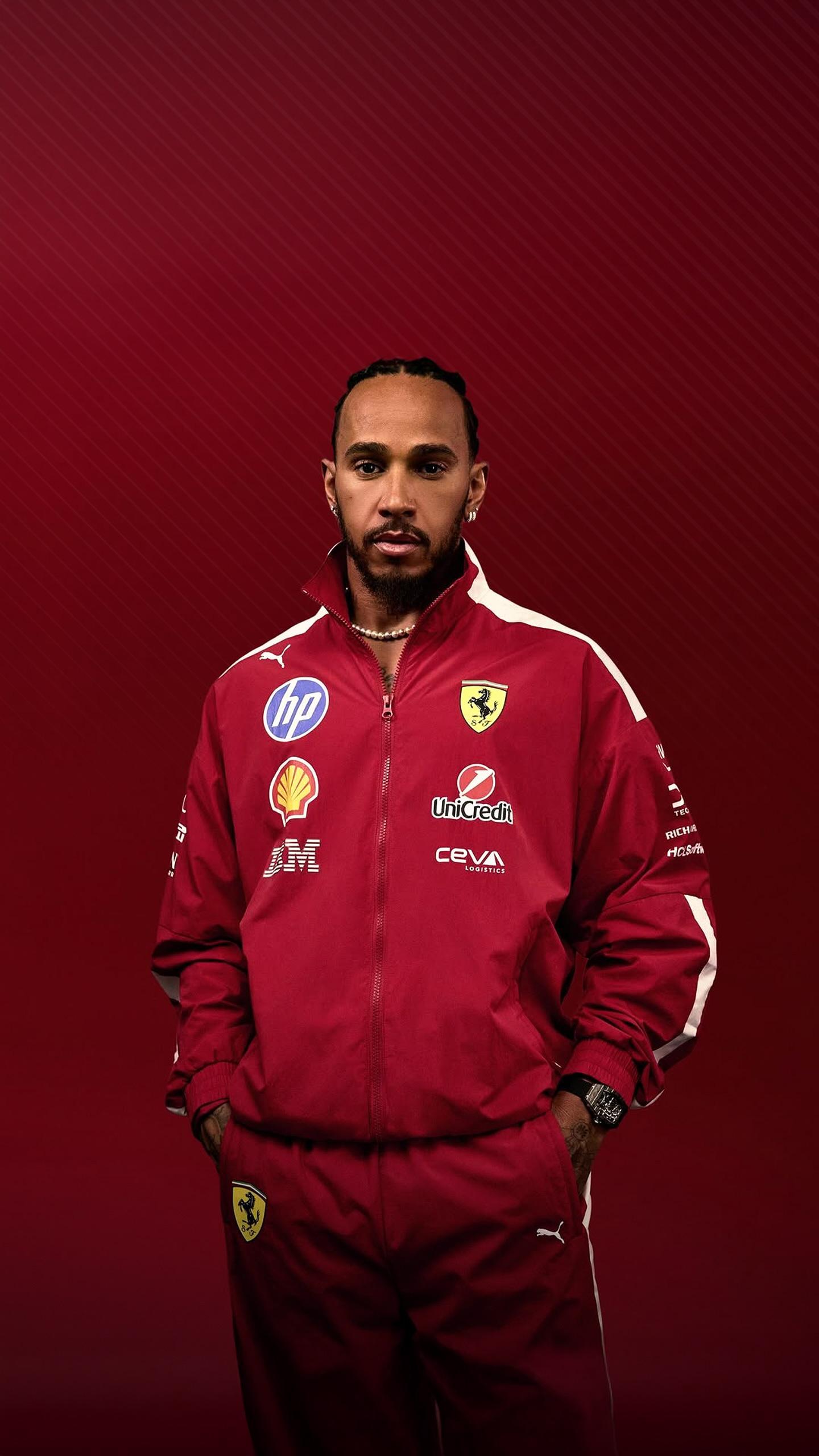
Lewis Hamilton, the seven-time Formula 1 world champion, has asserted his commitment to transforming Ferrari into a championship-winning organization. Despite a challenging first season with the team in 2025
and a subsequent rebound in 2026, Hamilton insists on continuing his forceful approach to implement changes based on his championship-winning knowledge. This stance comes amidst reported tensions between Hamilton and his Ferrari teammate, Charles Leclerc, particularly after an incident at the Mexico City Grand Prix where their on-track battle cost the team a potential one-two finish. Hamilton, who joined Ferrari after a long tenure with Mercedes, aims to restore the Scuderia to its former glory, as the team has not won a drivers' title since 2007 or a constructors' crown since 2008. He acknowledges Leclerc's long-standing presence and embedded status within the team but remains resolute in his pursuit of change.
Why It's Important?
This development is significant for the U.S. sports landscape, particularly for Formula 1 fans and stakeholders, as it highlights the internal dynamics of one of the sport's most iconic teams. The tension between two high-profile drivers like Hamilton and Leclerc can impact team performance, strategy, and ultimately, the championship outcome, which draws considerable viewership and commercial interest in the U.S. Ferrari's success or struggles directly influence the competitive balance of F1, affecting broadcast rights, sponsorship deals, and fan engagement in the American market. Hamilton's determination to reshape Ferrari reflects a broader trend in elite sports where star athletes exert significant influence over team direction. If Hamilton succeeds, it could elevate Ferrari's standing and further boost F1's growing popularity in the U.S.; conversely, continued internal strife could hinder their progress and potentially diminish interest.
What's Next?
Ferrari will need to carefully manage the dynamic between Lewis Hamilton and Charles Leclerc to ensure team cohesion and optimal performance. Following the Mexico City Grand Prix incident, internal talks involving both drivers and team principal Frederic Vasseur have reportedly taken place, with all parties publicly stating the matter has been resolved. However, the ongoing public unease suggests that the situation requires continuous attention. Hamilton's vow to push for more changes indicates that the team's operational and strategic direction may continue to evolve. The focus will now shift to the remaining races of the current season and preparations for the next, where Ferrari's ability to integrate Hamilton's vision while maintaining a harmonious environment will be crucial for their championship aspirations. The performance of both drivers and the team's overall results will be closely scrutinized by fans and media alike.
Beyond the Headlines
The situation at Ferrari with Lewis Hamilton and Charles Leclerc extends beyond mere on-track competition, touching upon the complex interplay of individual ambition, team hierarchy, and the psychological aspects of elite sports. Hamilton's arrival at Ferrari, a team where Leclerc was deeply entrenched, inherently created a power dynamic that needed careful navigation. The 'push and push and push' mentality Hamilton describes, while instrumental to his past successes, can be a double-edged sword in a team environment, potentially leading to friction if not managed effectively. This scenario highlights the challenge for sports teams in balancing the needs of multiple star athletes, each with their own drive for supremacy. The long-term implications could include a redefinition of team leadership roles, a shift in Ferrari's engineering and strategic philosophy, or even a potential departure of one of the drivers if the internal conflict becomes unmanageable. It also raises questions about the role of veteran drivers in shaping team culture versus the development of homegrown talent.