


What's Happening?
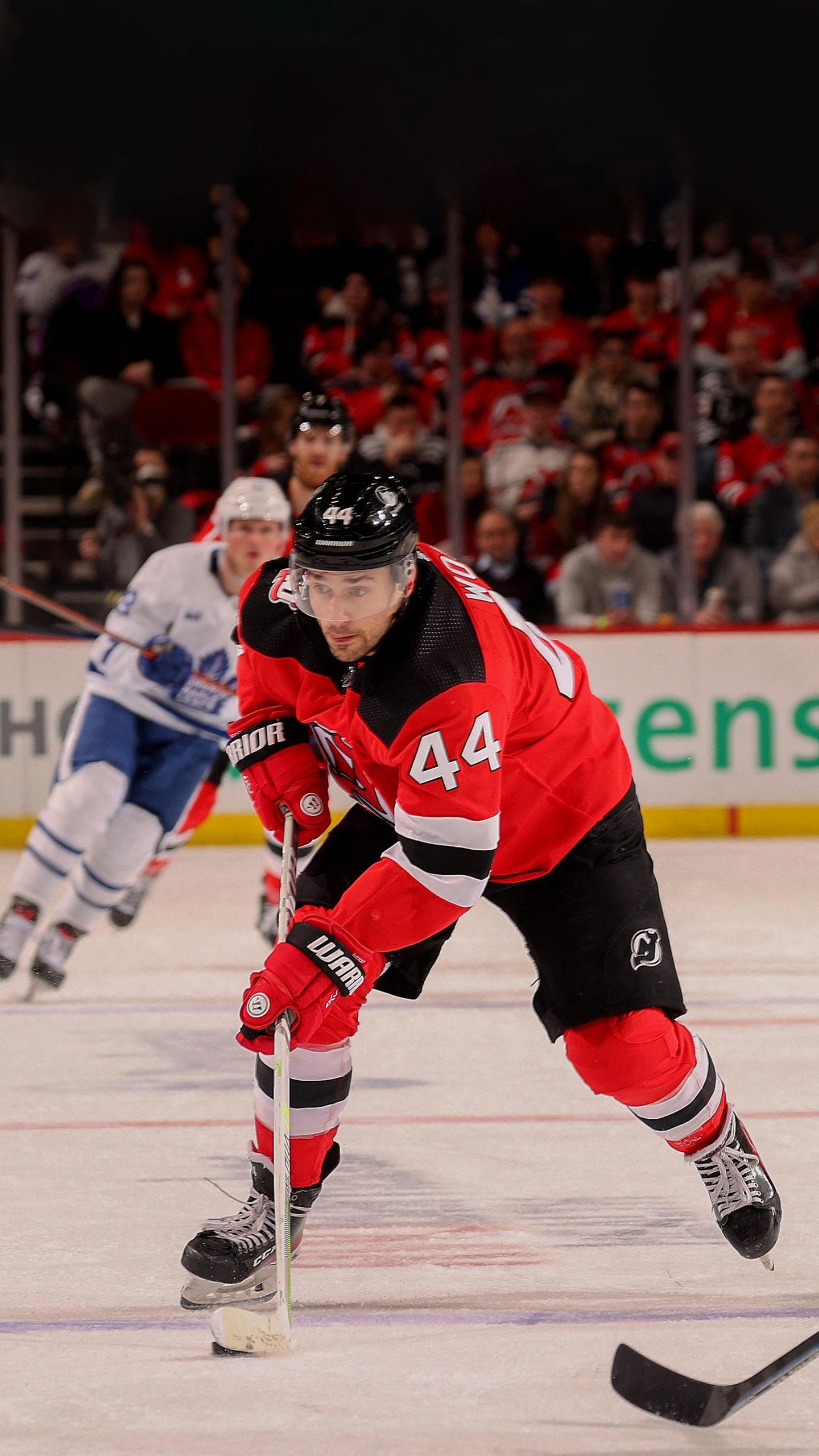
The New Jersey Devils have recalled defenseman Anton Silaev from their American Hockey League (AHL) affiliate, the Utica Comets. This move, reported by Kristy Flannery of The Hockey News, provides the Devils with
additional defensive depth. The recall comes as the team faces the absence of Brenden Dillon, who is currently serving a suspension. Silaev, a 20-year-old defenseman, has recorded four assists in 15 appearances with the AHL Utica Comets this season.
Why It's Important?
The recall of Anton Silaev is a direct response to the New Jersey Devils' immediate need for defensive reinforcement due to Brenden Dillon's suspension. This move is crucial for maintaining the team's defensive integrity and depth during a period when a key player is unavailable. For Silaev, this represents an opportunity to potentially make his National Hockey League (NHL) debut or gain valuable experience at the highest level of professional hockey. His performance, even if limited, could influence future roster decisions and his development within the organization. For the Devils, it underscores the importance of a robust farm system that can supply ready talent when injuries or suspensions create roster gaps, ensuring competitive play is maintained.
What's Next?
Anton Silaev will join the New Jersey Devils and be available for upcoming games, providing defensive depth while Brenden Dillon serves his suspension. His role will likely be determined by the coaching staff based on the team's needs and his performance in practice. Depending on the duration of Dillon's suspension and Silaev's readiness, he may see ice time in NHL games. Following Dillon's return, Silaev could either remain with the Devils if he impresses or be reassigned to the AHL Utica Comets to continue his development. This period will be a critical evaluation opportunity for Silaev and the Devils' management regarding his potential long-term fit with the NHL club.
Beyond the Headlines
The summoning of Anton Silaev reflects the dynamic nature of professional sports rosters, where player movement between minor and major leagues is a constant. This system is designed to develop young talent while providing immediate solutions for NHL teams facing roster challenges. For prospects like Silaev, such call-ups are not just about filling a temporary void but are often a test of their readiness for the NHL's demanding environment. It highlights the strategic importance of player development in the AHL, where young athletes hone their skills and adapt to professional play. The success of such call-ups can significantly impact a team's season, demonstrating the depth and resilience of its organizational structure in navigating the unpredictable nature of professional sports.