



What's Happening?
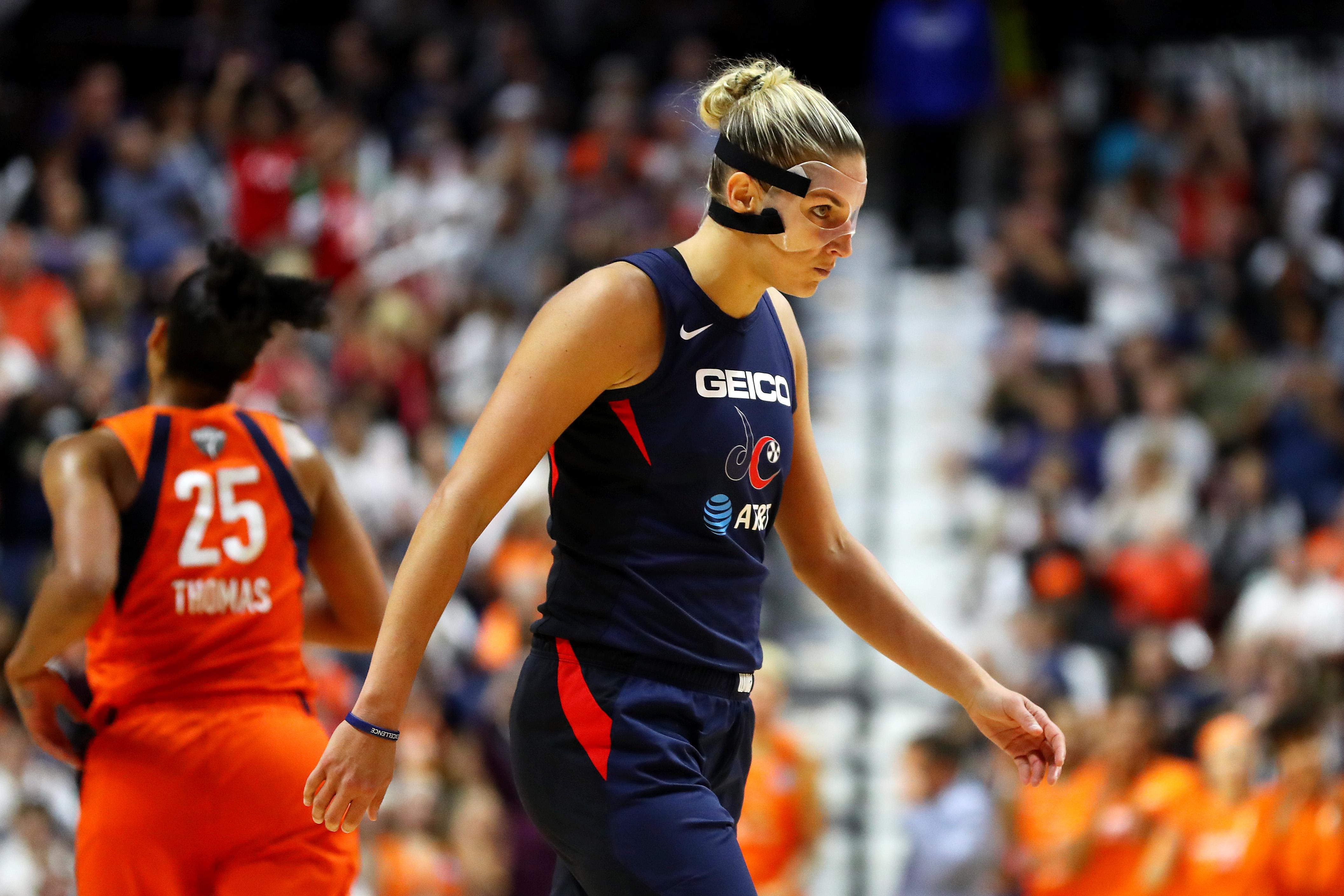
Women's sports teams, including those in the WNBA and NWSL, are frequently operating as tenants in their home stadiums, leading to significant scheduling conflicts and venue instability. This issue was
highlighted by several recent incidents, such as the Atlanta Dream nearly playing WNBA Finals home games in a 3,500-seat arena because State Farm Arena was booked, and Gotham FC, the NWSL’s No. 1 seed, being forced to host a semifinal in a 5,000-seat stadium while their 25,000-seat home venue was unavailable. The Washington Spirit also narrowly avoided a similar situation. These occurrences underscore a broader problem where teams lack control over their primary venues or guaranteed contingency plans, impacting fan experience, revenue, and the overall credibility of the leagues. The current tenant arrangements, while an acceptable starting point, are no longer sustainable given the rapid growth and increased investment in women's sports.
Why It's Important?
The lack of mandatory venue standards and guaranteed access to suitable facilities poses a significant threat to the burgeoning growth of women's sports in the U.S. As leagues like the WNBA and NWSL attract substantial investment, expanding audiences, and securing major commercial partnerships, the underlying infrastructure, particularly venue access, has not kept pace. This instability affects fan experience, ticket revenue, sponsorship value, and media exposure. It also creates negative optics for potential investors and fans, suggesting that the leagues' systems are not robust enough to support their ambition and success. The inability to secure appropriate venues for critical games, such as semifinals and finals, undermines the professional image of these leagues and can lead to missed opportunities for revenue and audience engagement.
What's Next?
There is a growing call for leagues like the WNBA and NWSL to implement mandatory venue standards. These standards would require facility ownership, guaranteed primary venue agreements, or league-approved contingency plans to be on file before the season begins. This proactive approach aims to prevent last-minute venue changes and ensure stability for teams and fans. Addressing this issue at the league level is crucial to match the commercial and audience growth with adequate infrastructure. Without these changes, the continued expansion and professionalization of women's sports could be hampered, potentially leading to investor hesitation and fan dissatisfaction. The focus will likely be on developing and enforcing policies that provide teams with the necessary control and stability over their playing environments.
Beyond the Headlines
The issue of venue instability in women's sports extends beyond mere scheduling inconveniences; it touches upon deeper ethical and cultural dimensions regarding equity and respect within the sports industry. The expectation that women's teams should consistently defer to men's sports or other events for venue access reflects a systemic undervaluation of women's athletic achievements and commercial potential. This situation can perpetuate a narrative that women's sports are secondary, despite their proven ability to attract significant audiences and investment. Implementing robust venue standards would not only provide operational stability but also send a powerful message about the leagues' commitment to professionalizing women's sports and ensuring equitable treatment, fostering long-term cultural shifts in how women's athletics are perceived and supported.