



What's Happening?
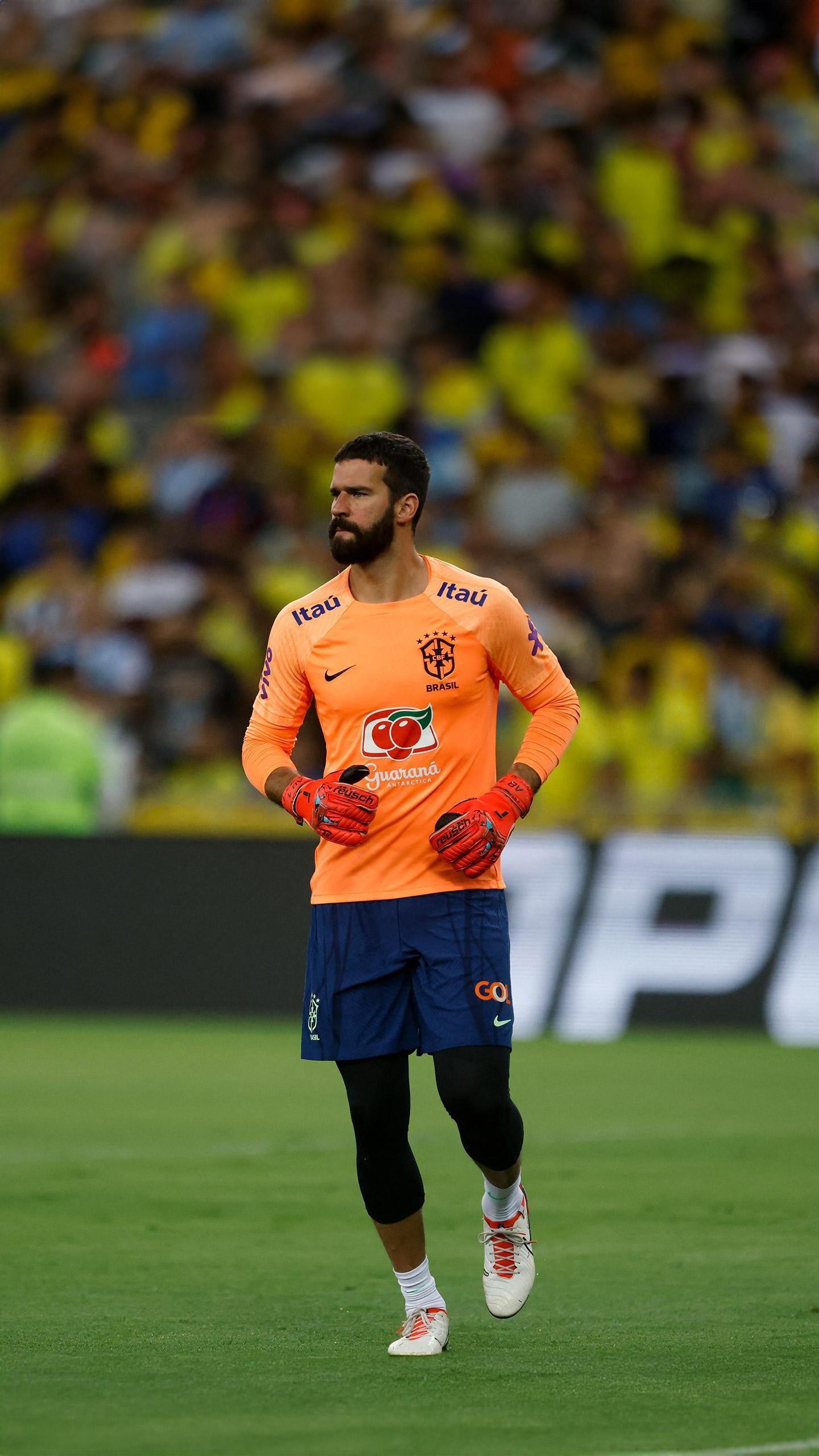
Alisson, the 34-year-old Liverpool goalkeeper, has publicly stated his displeasure at being excluded from Brazil's national team squad for upcoming non-competitive friendlies. This marks the second consecutive
time Alisson has been left out of the squad under head coach Carlo Ancelotti. Ancelotti's rationale for the decision is to evaluate younger goalkeeping talent and provide rest to experienced players during these 'meaningless fixtures,' as he aims to build a squad for the 2028 Copa America. Despite Ancelotti's assurance that Alisson is considered the 'best goalkeeper' and will be called up for the Copa America, Alisson views his exclusion as 'a little bit against my will.' He acknowledges the potential benefit of rest but emphasizes his desire to always represent his national team. Alisson has been a consistent starter for Liverpool, maintaining four clean sheets in 10 Premier League games this season, and has largely been Brazil's first-choice goalkeeper, including starting all five games at the 2026 FIFA World Cup.
Why It's Important?
This situation highlights a common tension in international football between national team objectives and club priorities. While Brazil's coach aims to develop future talent and manage player fatigue, Alisson's strong desire to play for his country underscores the personal pride and professional commitment athletes feel towards national representation. For Liverpool, Alisson's forced rest is a silver lining, as it reduces his travel burden and potential for injury during less significant international matches, allowing him to focus on club commitments. However, it also raises questions about player morale and the potential impact on team dynamics if key players feel sidelined. The decision to rest a top-tier player like Alisson, even for developmental purposes, could be seen as a strategic gamble, balancing immediate performance needs with long-term squad building. This scenario is particularly relevant for clubs with numerous international players, as they often face the challenge of managing player availability and fitness during international breaks.
What's Next?
Alisson is expected to use this period of absence from the national team to continue his rigorous training at Liverpool's facilities, aiming to maintain peak performance for his club. He has indicated that he will not 'sit on the couch for a week' but will instead use the time to stay sharp and potentially spend more time with his family. Brazil's national team, under Carlo Ancelotti, will proceed with their plan to test younger goalkeepers in the upcoming non-competitive friendlies against Japan and Singapore. Alisson is anticipated to rejoin the national squad for more significant competitions, such as the Copa America in 2028, as per Ancelotti's statement. The situation also puts a spotlight on Liverpool's long-term goalkeeping strategy, especially with discussions reportedly underway regarding Alisson's contract, which expires in June 2027.
Beyond the Headlines
The decision to rest Alisson, a world-class goalkeeper, for non-competitive international matches reflects a broader trend in modern football where player welfare and long-term career management are increasingly prioritized. While players often express a strong desire to represent their country, clubs and national federations are becoming more strategic in managing their top talents, especially given the demanding club schedules. This approach aims to prevent burnout and extend players' careers, but it can also lead to friction when individual player ambitions clash with team management strategies. The situation also underscores the evolving role of national team coaches, who must balance immediate results with the development of future generations of players. This delicate balance is crucial for sustained success at both club and international levels, influencing player loyalty, career trajectories, and the overall health of the sport.