

What's Happening?
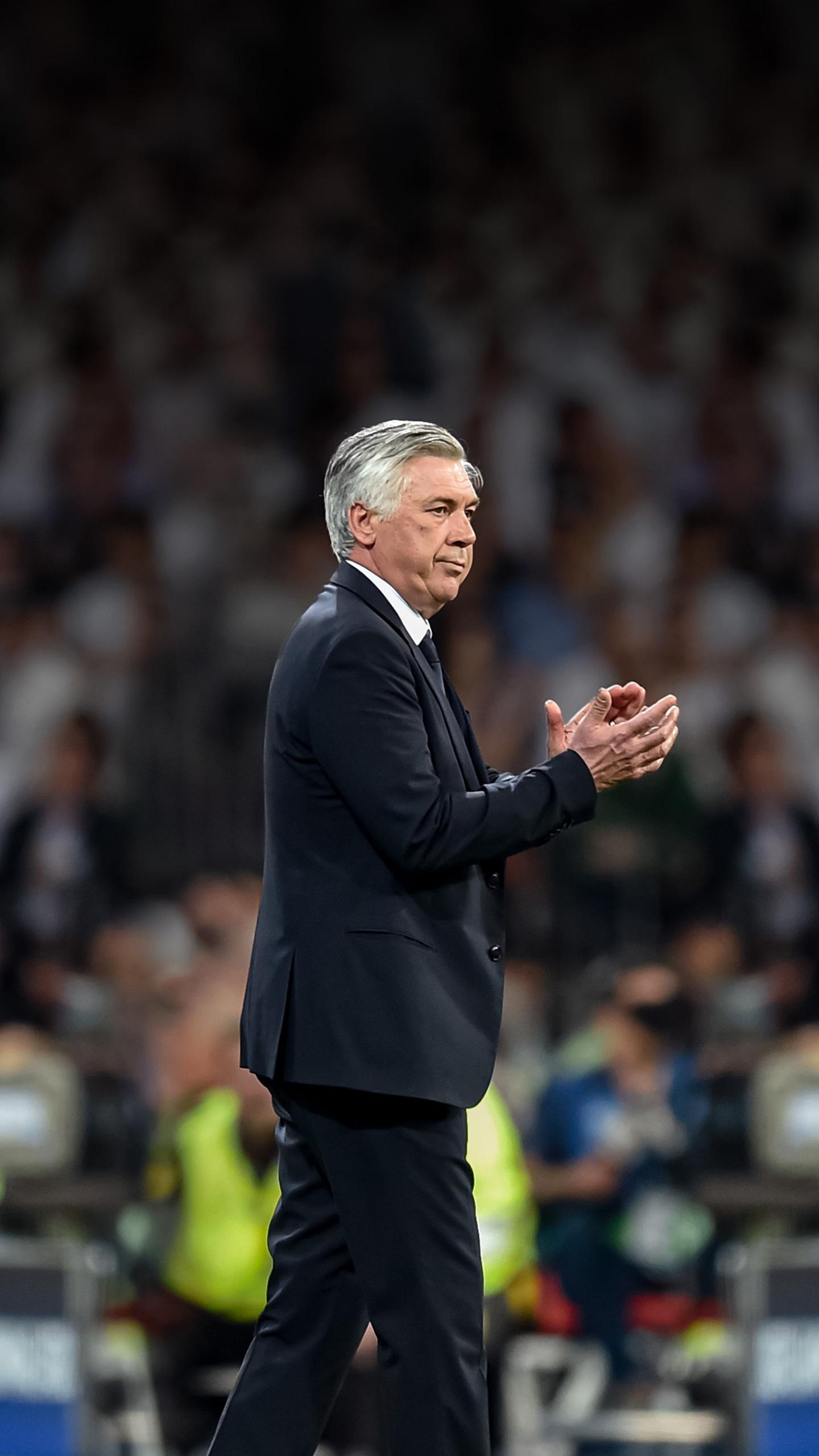
Brazilian professional soccer player Raphinha, who plays as a forward for FC Barcelona, and Brazil's head coach Carlo Ancelotti were both sent off during Brazil's 3-2 loss to Japan in an international
friendly on November 14. The dismissals occurred after protests over Japan's stoppage-time winning goal. Raphinha had started the match, playing centrally as Brazil's number nine, and was substituted in the 71st minute. The controversy arose from Brazil's belief that there was a foul in the build-up to Japan's third goal. This incident follows recent discussions regarding Raphinha's international workload and fitness, as he had recently returned from a muscle problem and had previously clarified comments about managing his physical condition to avoid further injuries. Despite his efforts to explain his commitment to both club and country, the red card adds to a challenging international break for the player.
Why It's Important?
This incident highlights the intense pressure and scrutiny faced by high-profile athletes and coaches in international soccer. For Raphinha, the red card could lead to disciplinary actions, potentially affecting his availability for future international matches. This situation also brings to the forefront the ongoing tension between national team duties and club commitments, especially for players recovering from injuries. Clubs like Barcelona often express concerns about their players' physical well-being during international breaks, and incidents like this can exacerbate those worries. The controversy surrounding the referee's decisions also underscores the impact of officiating on game outcomes and the emotional responses it can provoke from players and coaching staff, potentially leading to broader discussions about VAR implementation and referee accountability in international friendlies.
What's Next?
Raphinha's dismissal means Brazil will need to assess his availability for their next friendly match against Singapore on November 17. The red card could result in a suspension, impacting his participation. Furthermore, the incident may reignite discussions within the Brazilian national team and FC Barcelona regarding Raphinha's physical management and international commitments. Both Raphinha and Coach Ancelotti may face further scrutiny or disciplinary actions from football governing bodies depending on the nature of their protests. The broader implications could include a review of refereeing standards in international friendlies and potential changes in how player fitness is managed across club and national team duties.
Beyond the Headlines
The incident transcends a simple red card, touching upon the psychological toll on athletes who are constantly balancing peak performance expectations with physical limitations. Raphinha's earlier comments about managing his workload, misinterpreted by some as a lack of commitment, reveal the delicate balance players must strike between personal health and national pride. The emotional outburst leading to the red card, shared by both player and coach, underscores the deep-seated passion and frustration that can erupt when perceived injustices occur in high-stakes environments, even in friendly matches. This event could also fuel ongoing debates about the role of technology in officiating and the need for clearer communication channels between referees and teams to de-escalate tensions during matches.