

What's Happening?
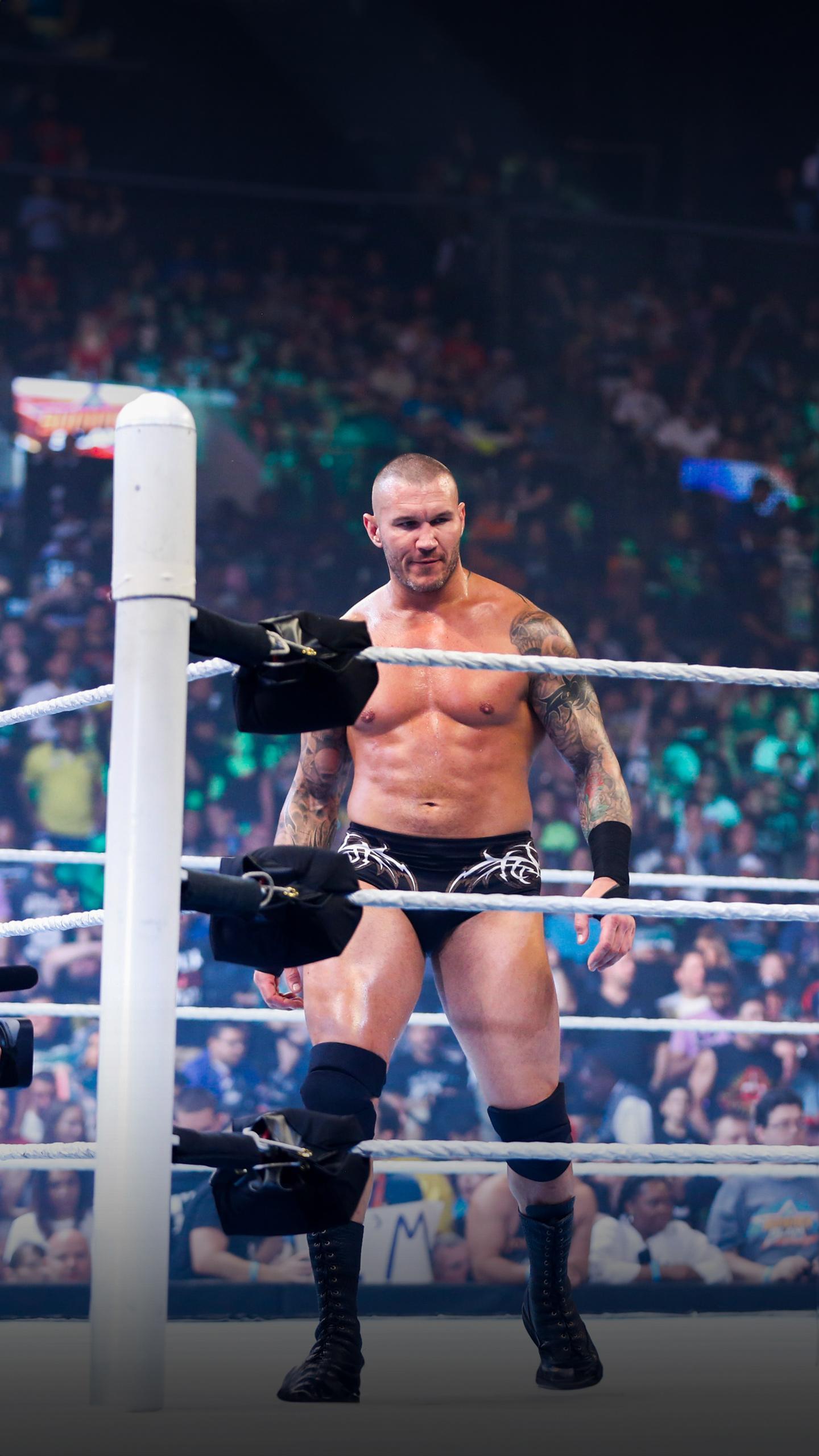
WWE Hall of Famer Jake Roberts has publicly stated that current WWE Superstars Randy Orton and the late Bray Wyatt are the two wrestlers who most remind him of himself. Roberts, known for his psychological
approach to wrestling, intricate storytelling, and distinctive microphone work during the 1980s and 1990s, highlighted similarities in their characters and in-ring presence. Despite never holding a championship in WWE, Roberts built a formidable reputation through his intimidating persona and ability to captivate audiences. He noted that both Wyatt and Orton adopted unique characters and employed a psychological style in their performances, echoing his own career hallmarks. Roberts' comments were made during an interview with Nick Teodoro, where he was asked about modern wrestlers who share his characteristics. This is not the first time Roberts has drawn these comparisons; he previously discussed Wyatt and Orton in a 2017 interview with Sports Illustrated, where he also expressed interest in working with Orton to further develop his character.
Why It's Important?
Jake Roberts' endorsement carries significant weight within the professional wrestling industry, particularly for fans and historians of WWE. His recognition of Randy Orton and Bray Wyatt as inheritors of his unique style underscores the lasting impact of character-driven, psychological wrestling. For Orton, this comparison solidifies his legacy as a master of character work and in-ring psychology, distinguishing him from wrestlers who rely solely on athleticism. For the late Bray Wyatt, Roberts' comments serve as a posthumous tribute, reinforcing Wyatt's innovative and often unsettling character work as a significant contribution to the art form. This validation from a legendary figure like Roberts can influence how future generations of wrestlers approach character development and storytelling, emphasizing the importance of depth and psychological warfare over purely physical prowess. It also highlights a continuity of wrestling philosophy across different eras, connecting past legends with contemporary stars.
What's Next?
While Jake Roberts is not currently under contract with WWE, his renewed association with the promotion, primarily through autograph signings and convention appearances, suggests a potential for his insights to continue influencing the wrestling landscape. His past interest in working with Randy Orton, though previously unfulfilled, could theoretically be revisited, offering Orton a unique mentorship opportunity to further refine his character. For WWE, such endorsements from Hall of Famers can be leveraged in storytelling, potentially enhancing the perceived legacy and importance of current stars like Orton. The discussion also keeps the memory and impact of Bray Wyatt alive, potentially inspiring new character developments within WWE that draw from his unique approach. The broader implication is a continued emphasis on character depth and psychological elements in wrestling, as validated by a master of the craft.
Beyond the Headlines
Beyond the immediate recognition, Roberts' comments touch upon the evolving nature of professional wrestling and the enduring appeal of character-driven narratives. In an era often dominated by high-flying acrobatics and fast-paced action, Roberts' praise for Orton and Wyatt underscores the timeless value of psychological warfare and compelling character development. This perspective suggests that true longevity and impact in wrestling often stem from a performer's ability to connect with an audience on a deeper, more intellectual level, rather than just physical spectacle. It also highlights the subjective nature of wrestling artistry, where different styles can achieve legendary status. The comparison implicitly critiques any potential over-reliance on athletic feats alone, advocating for a balanced approach that integrates character, story, and psychology, a lesson that continues to resonate with both performers and fans.