

What's Happening?
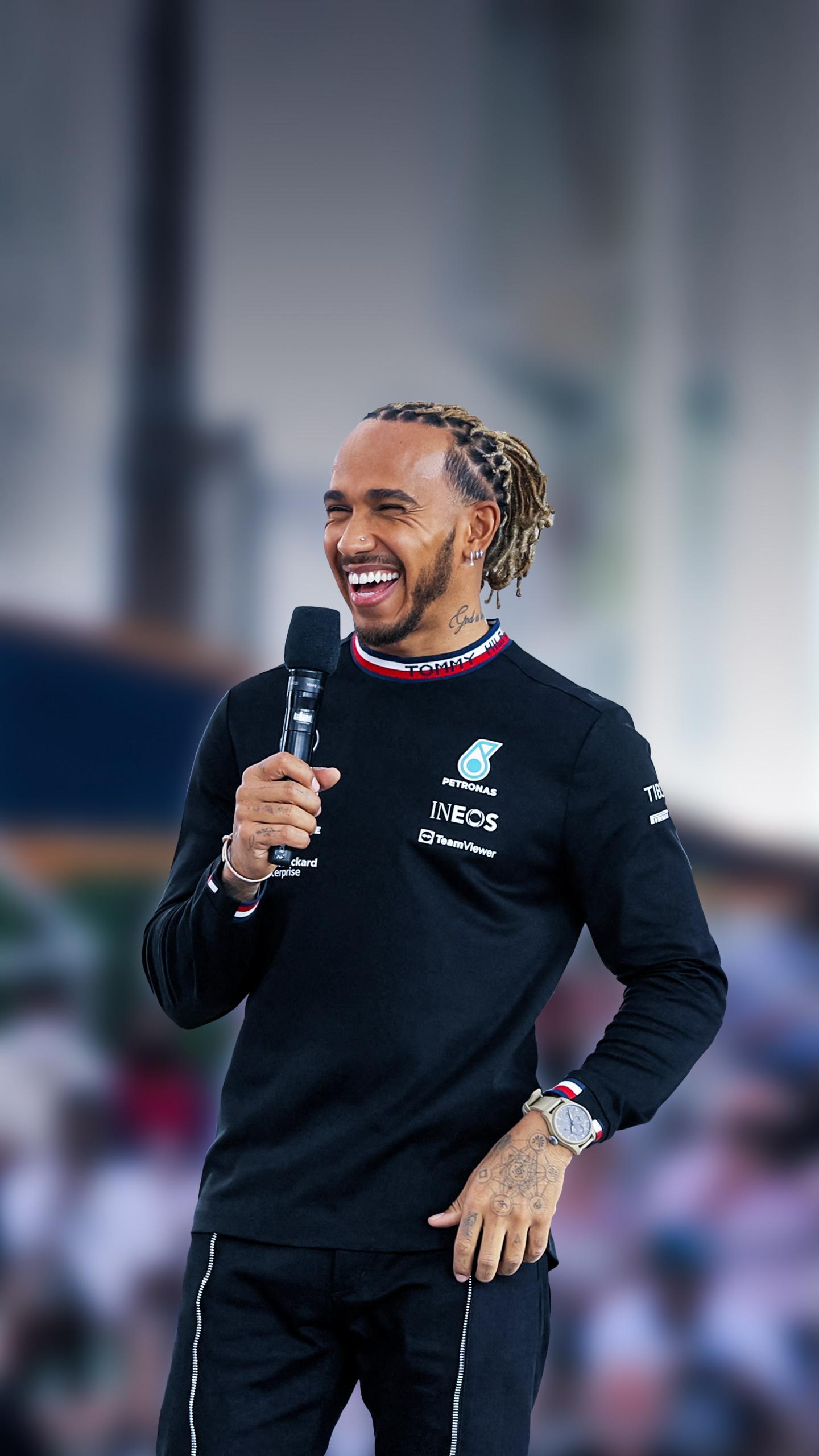
Seven-time Formula 1 champion Lewis Hamilton has publicly criticized former F1 drivers for their negative remarks about the sport's younger generation. Speaking at Interlagos, Hamilton expressed his disappointment
with older drivers who he believes 'talk smack' about emerging talents, stating his personal commitment to not become that type of individual. His comments came in response to a question about Kimi Antonelli's recent title success, a young driver Mercedes signed after Hamilton announced his move to Ferrari in 2025. Hamilton emphasized his pride in seeing new drivers succeed and highlighted the immense pressures they face in Formula 1, which he described as the pinnacle of motorsport and an incredibly challenging platform. He noted the lack of empathy from some former drivers, despite their own experiences in the sport, and praised the resilience of young competitors who continue to push despite setbacks. Hamilton, who is 41 and recently made his 400th Grand Prix start, acknowledged the privilege of being a racing driver but also underscored the significant mental and physical demands involved.
Why It's Important?
Hamilton's critique is significant as it highlights a generational divide and a potential cultural issue within the elite world of Formula 1. His stance, coming from one of the sport's most decorated and respected figures, could influence how veteran drivers engage with and mentor new talent. By advocating for empathy and support, Hamilton is challenging a narrative that often sees established figures dismiss or belittle younger competitors. This could foster a more positive and constructive environment for young drivers, potentially aiding their development and mental well-being in a high-pressure sport. For the sport itself, a more supportive atmosphere could lead to greater retention of talent and a more engaging narrative for fans, who often follow the journeys of rising stars. Hamilton's comments also underscore the unique challenges faced by young athletes in high-stakes professional sports, drawing attention to the need for understanding and encouragement rather than constant criticism.
What's Next?
It remains to be seen whether Hamilton's comments will spark a broader discussion or shift in behavior among former Formula 1 drivers. His public statement might encourage other current or former drivers to voice similar sentiments, potentially leading to a more supportive culture within the sport. Young drivers like Kimi Antonelli and Isack Hadjar, who have shown impressive performances, may find increased backing and less scrutiny from veteran figures. The ongoing debate about how established athletes interact with newcomers is likely to continue, especially as more young talents emerge and challenge existing records. Media outlets and fans will likely monitor future interactions and comments from former drivers to see if there's a noticeable change in tone or approach. This could also prompt F1 organizations or teams to consider initiatives that promote mentorship and positive engagement between different generations of drivers.
Beyond the Headlines
Beyond the immediate context of Formula 1, Hamilton's remarks touch upon broader themes of mentorship, intergenerational respect, and the psychological pressures of elite performance. His call for empathy from those who have experienced similar challenges resonates across various professional fields where veterans often critique newcomers. This situation highlights the responsibility of established figures to foster growth rather than discourage it, especially in highly competitive environments. The 'talking smack' phenomenon can have detrimental effects on young individuals' confidence and career trajectories, making Hamilton's intervention a significant stand against such practices. It also underscores the evolving nature of sportsmanship and professional conduct in modern sports, where mental health and supportive environments are increasingly recognized as crucial for sustained success. Hamilton's position as a global icon lends weight to his message, potentially inspiring similar conversations in other sports and industries about how experienced professionals engage with emerging talent.