



What's Happening?
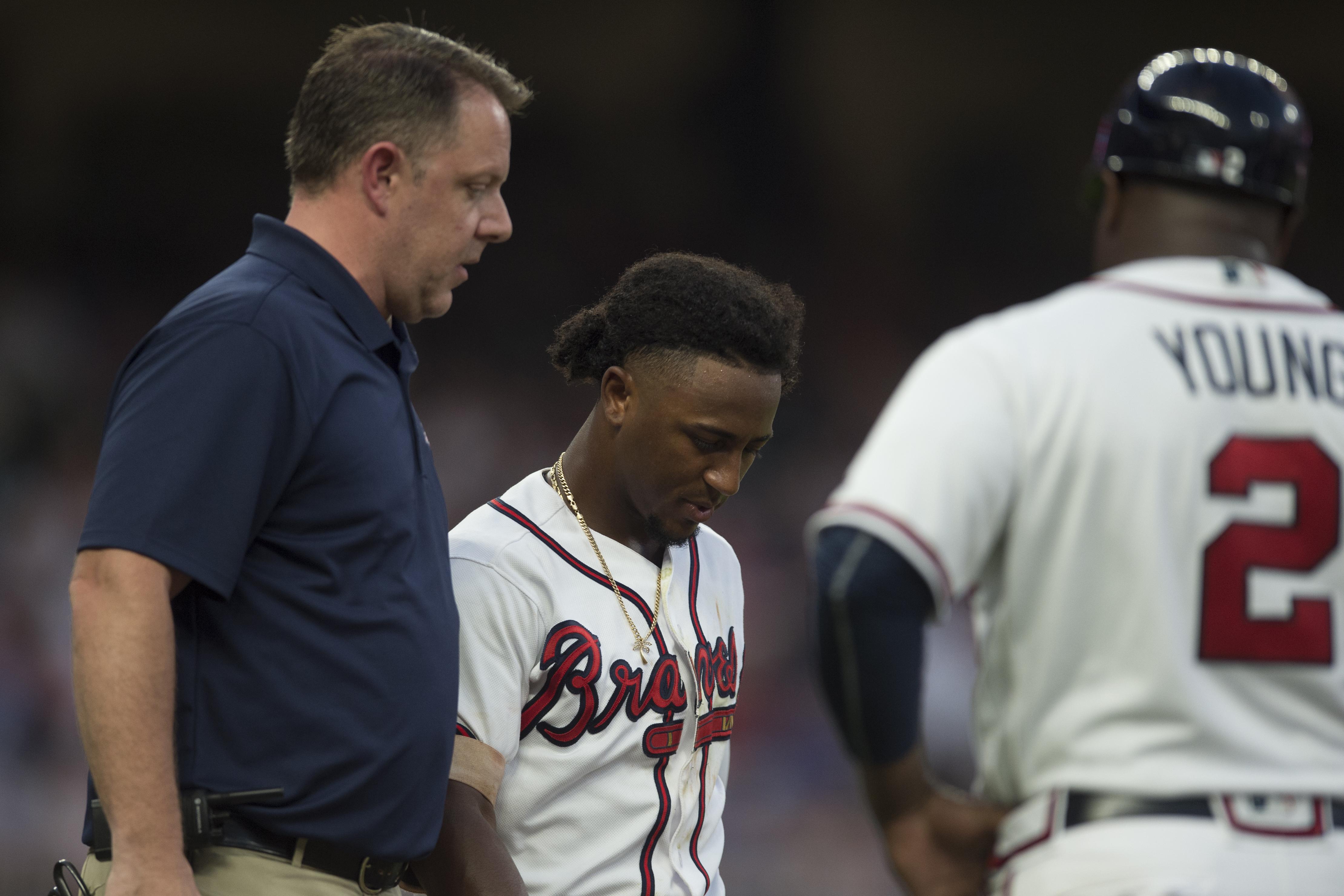
The Atlanta Braves are confronting significant questions regarding their bullpen's stability as they head into the offseason. Robert Suarez, a key relief pitcher, returned from a three-month elbow absence
in 2026, raising concerns about his long-term health and effectiveness. Additionally, Raisel Iglesias, who had a strong season with 34 saves and a 2.55 ERA, is now an unrestricted free agent. These developments leave the Braves with a potential void in their high-leverage closing role, necessitating either Iglesias's re-signing or the acquisition of a new closer. Other bullpen members, such as Dylan Lee, also experienced struggles late in the season, and Didier Fuentes might transition to a starting rotation role, further highlighting the need for bullpen reinforcements.
Why It's Important?
The state of the bullpen is crucial for any MLB team, especially one with postseason aspirations like the Atlanta Braves. A strong bullpen provides late-game stability, protecting leads and securing victories. The potential loss of Raisel Iglesias, a proven closer, would create a significant gap that needs to be filled. Robert Suarez's recent elbow issues add another layer of uncertainty, as his reliability for the upcoming season is questionable. This situation could force the Braves to allocate substantial resources, either through free agency or trades, to bolster their relief corps. Failure to address these bullpen concerns effectively could negatively impact the team's performance in close games and their overall competitiveness in the league, potentially affecting their playoff chances and fan engagement.
What's Next?
The Atlanta Braves are expected to actively seek bullpen additions during the winter. One potential target is Trevor Megill from the Milwaukee Brewers, who posted a 2.63 ERA and 30 saves in 2026. A trade package involving prospects like Herick Hernandez and Garrett Baumann is being considered, which would provide the Brewers with pitching talent without depleting the Braves' most valuable young players. Megill, projected to earn around $8 million in arbitration and reaching free agency after 2027, offers a short-term solution with manageable financial risk. However, his age (33 next season) means the Braves would be acquiring one year of production rather than a long-term asset. The team will also weigh the possibility of re-signing Iglesias or exploring other trade targets if a deal for Megill proves too costly in terms of prospect capital.
Beyond the Headlines
The Braves' current bullpen challenges underscore a broader trend in MLB where relief pitching has become increasingly specialized and valuable. Teams are often willing to invest heavily in closers and high-leverage relievers due to their critical role in modern baseball strategy. The decision-making process for the Braves will involve a delicate balance between immediate needs and long-term roster construction. Trading prospects for a short-term solution like Megill carries inherent risks, as it could deplete the farm system without guaranteeing sustained success. Conversely, relying on a recovering pitcher like Suarez or an unproven talent could jeopardize the team's competitive window. This situation highlights the strategic complexities faced by front offices in managing player health, contract negotiations, and prospect development to maintain a winning team.