

What's Happening?
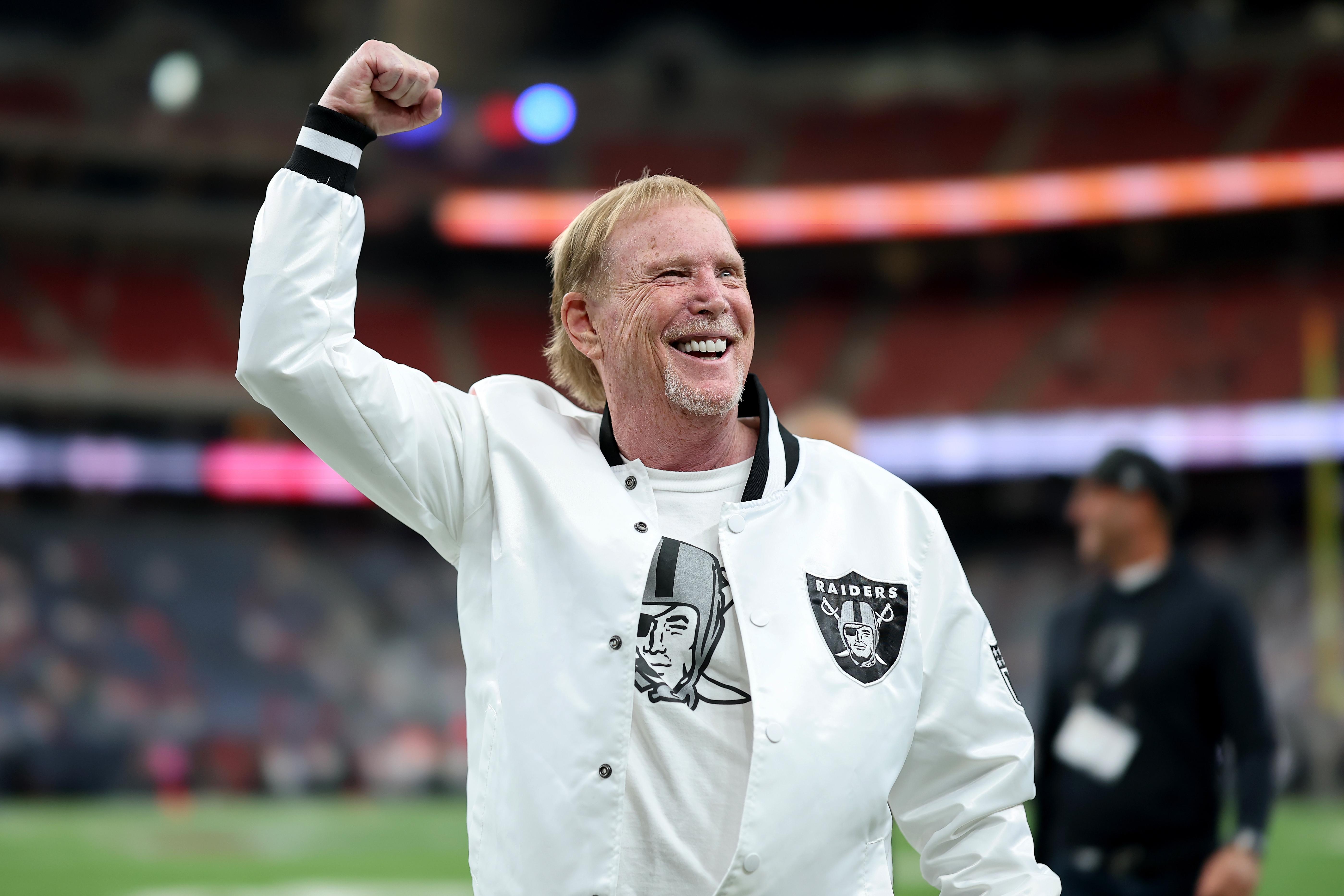
Las Vegas Raiders owner Mark Davis has publicly expressed his excitement and support for rookie quarterback Fernando Mendoza, who is set to become the team's starter. This development follows the trade
of veteran quarterback Kirk Cousins to the Minnesota Vikings for a third-round pick. Davis stated that elevating Mendoza, the team's first-round draft pick, was always part of the long-term plan, describing it as 'not if, but when.' He emphasized that he has remained hands-off in the decision-making process, allowing the front office and coaching staff to determine the timing. Despite the less-than-ideal timing for Mendoza's first start against the Seattle Seahawks, necessitated by the trade deadline, Davis conveyed his enthusiasm, calling it 'a major milestone in Raider history.' He also praised Cousins, acknowledging his contributions to the team and stating, 'Once a Raider, always a Raider.' General Manager John Spytek affirmed that the move does not signal a surrender of the current season, emphasizing the team's continued belief in their ability to win.
Why It's Important?
This strategic shift by the Las Vegas Raiders signals a significant transition for the franchise, moving from a veteran quarterback to a highly touted rookie. The decision to trade Kirk Cousins, who was reportedly playing well, indicates a clear commitment to developing Fernando Mendoza as the team's future. This move could reshape the team's offensive identity and long-term trajectory. For the Raiders, it represents a calculated risk, as rookie quarterbacks often face a steep learning curve in the NFL. However, it also offers the potential for a new era of excitement and growth, particularly if Mendoza lives up to his draft potential. The owner's public backing of Mendoza is crucial, as it provides stability and confidence for the young player and the coaching staff. This transition will be closely watched by fans and analysts, as it could influence future draft strategies and player development philosophies across the league, especially for teams considering similar transitions from established veterans to promising rookies.
What's Next?
Fernando Mendoza is slated to make his first NFL start against the Seattle Seahawks in Week 10. This game will be a critical test for the rookie quarterback and will provide the first live-action look at his capabilities as a starter. The coaching staff, led by head coach Klint Kubiak, will now focus on tailoring the offensive scheme to Mendoza's strengths and mitigating his weaknesses as a rookie. The team's performance in the coming weeks will be under intense scrutiny, as it will indicate whether the Raiders can remain competitive with a first-year quarterback at the helm. The trade of Kirk Cousins also means the Raiders will integrate a new third-round draft pick in the upcoming draft, which could further bolster their roster. The immediate future will involve Mendoza building chemistry with his teammates, particularly tight end Brock Bowers, who has already expressed confidence in the rookie's abilities. The organization will be looking for signs of progress and leadership from Mendoza as he navigates his inaugural season as a starter.
Beyond the Headlines
The Raiders' decision to fully commit to Fernando Mendoza reflects a broader trend in the NFL where teams are increasingly willing to invest in and develop young quarterback talent, even if it means parting ways with established veterans. This strategy often comes with short-term performance risks but offers the potential for long-term stability and success, particularly given the financial implications of quarterback contracts. The owner's 'hands-off' approach, while publicly supportive, highlights the delicate balance between ownership influence and front-office autonomy in professional sports. This move could also impact fan engagement, as the excitement surrounding a promising rookie can re-energize a fanbase, even if the team's immediate win-loss record fluctuates. Furthermore, the narrative of a drafted quarterback finally getting his chance after a veteran's departure often resonates deeply with fans, creating a sense of anticipation and hope for the future of the franchise. This transition will serve as a case study for other NFL teams contemplating similar strategic shifts in their quarterback situations.