

What's Happening?
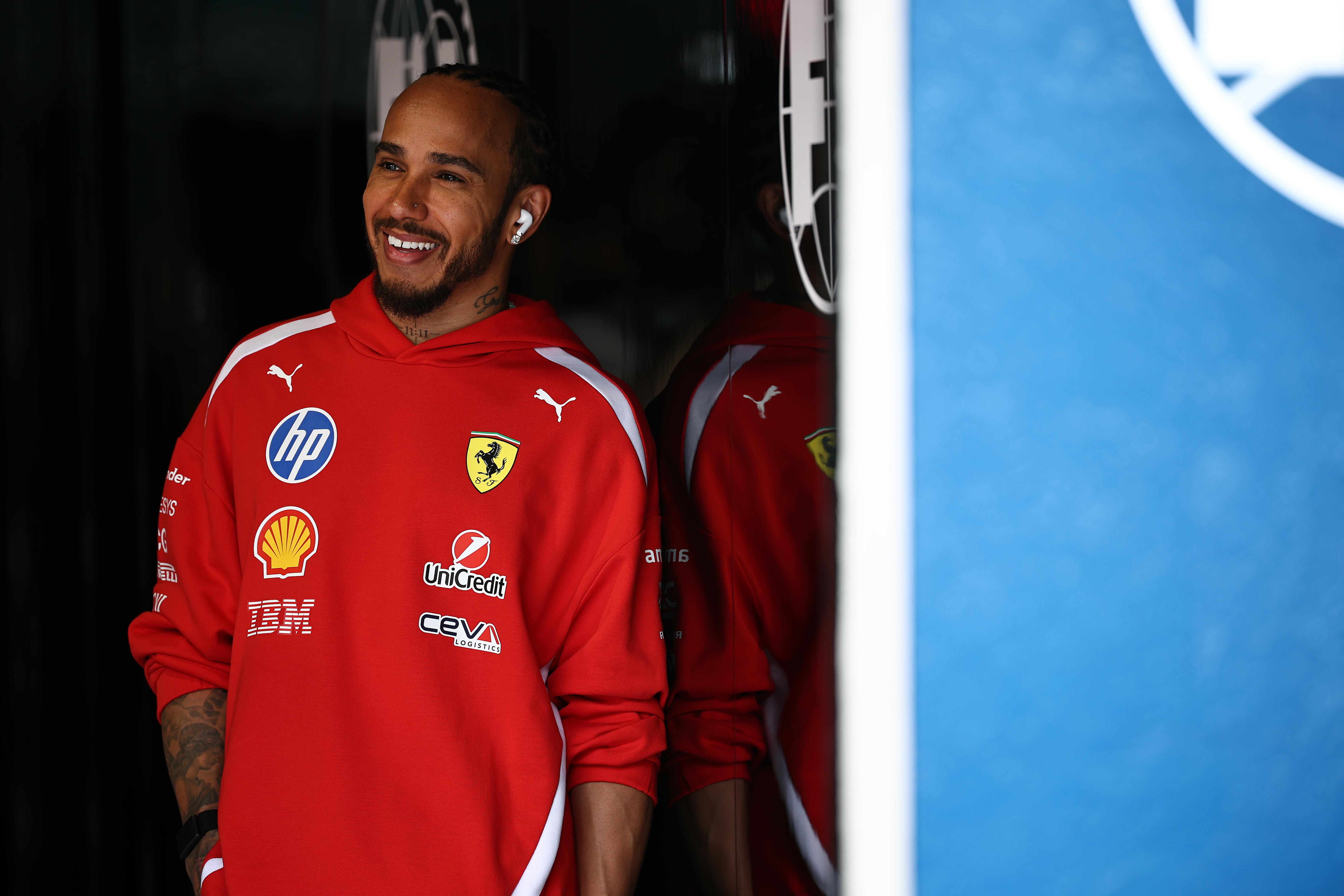
Ferrari has announced that Dino Beganovic will replace Lewis Hamilton for the first practice session of the Las Vegas Grand Prix. This move fulfills Ferrari's final mandatory rookie session requirement
for the 2026 Formula 1 season. Formula 1 regulations, expanded from 2025, mandate that every team must allocate FP1 duties to a rookie driver—defined as a driver with no more than two Grand Prix starts—for at least two sessions per car each season, totaling four mandatory FP1 appearances per team annually. Beganovic has previously deputized for Hamilton in Spain and for Charles Leclerc in Austria and Brazil, completing Ferrari's obligations under this rule. Haas will also field rookie Ryo Hirakawa in FP1 for the Las Vegas Grand Prix.
Why It's Important?
This decision is a direct consequence of Formula 1's expanded rookie rule, designed to provide opportunities for young talent to gain experience in a Grand Prix setting. For Ferrari, fulfilling this obligation ensures compliance with regulations and allows them to assess their academy drivers in a competitive environment. The Las Vegas Strip Circuit, known for its challenging conditions including concrete walls, low initial grip, and a rapidly evolving track surface, is not typically favored for rookie running. However, Ferrari had limited options due to the timing of their remaining commitment. This practice session offers Beganovic valuable experience on a unique circuit, which is crucial for his development as he is confirmed to step into a full-time reserve and development role with the Scuderia from 2027.
What's Next?
Dino Beganovic's participation in the Las Vegas Grand Prix FP1 session marks the completion of Ferrari's rookie driver obligations for the 2026 season. This experience will contribute to his preparation for his upcoming full-time reserve and development role with Ferrari in 2027. For other teams, the mandatory rookie sessions will continue to be a strategic consideration, balancing the need to comply with regulations against the desire to maximize track time for their primary drivers, especially on challenging circuits. The performance of rookie drivers in these sessions will be closely watched by teams and fans alike, as it offers a glimpse into the future talent pool of Formula 1.
Beyond the Headlines
The implementation of the expanded rookie rule reflects a broader commitment within Formula 1 to nurturing new talent and ensuring a pipeline of skilled drivers. While it presents logistical challenges for teams, particularly on demanding circuits like Las Vegas, it underscores the sport's investment in its future. The rule also highlights the increasing importance of driver academies and development programs in Formula 1, as teams seek to identify and cultivate the next generation of champions. The experience gained by young drivers in these FP1 sessions is invaluable, providing them with exposure to Grand Prix weekend procedures, car setup, and the pressures of a top-tier racing environment, which is critical for their progression in motorsport.