
What's Happening?
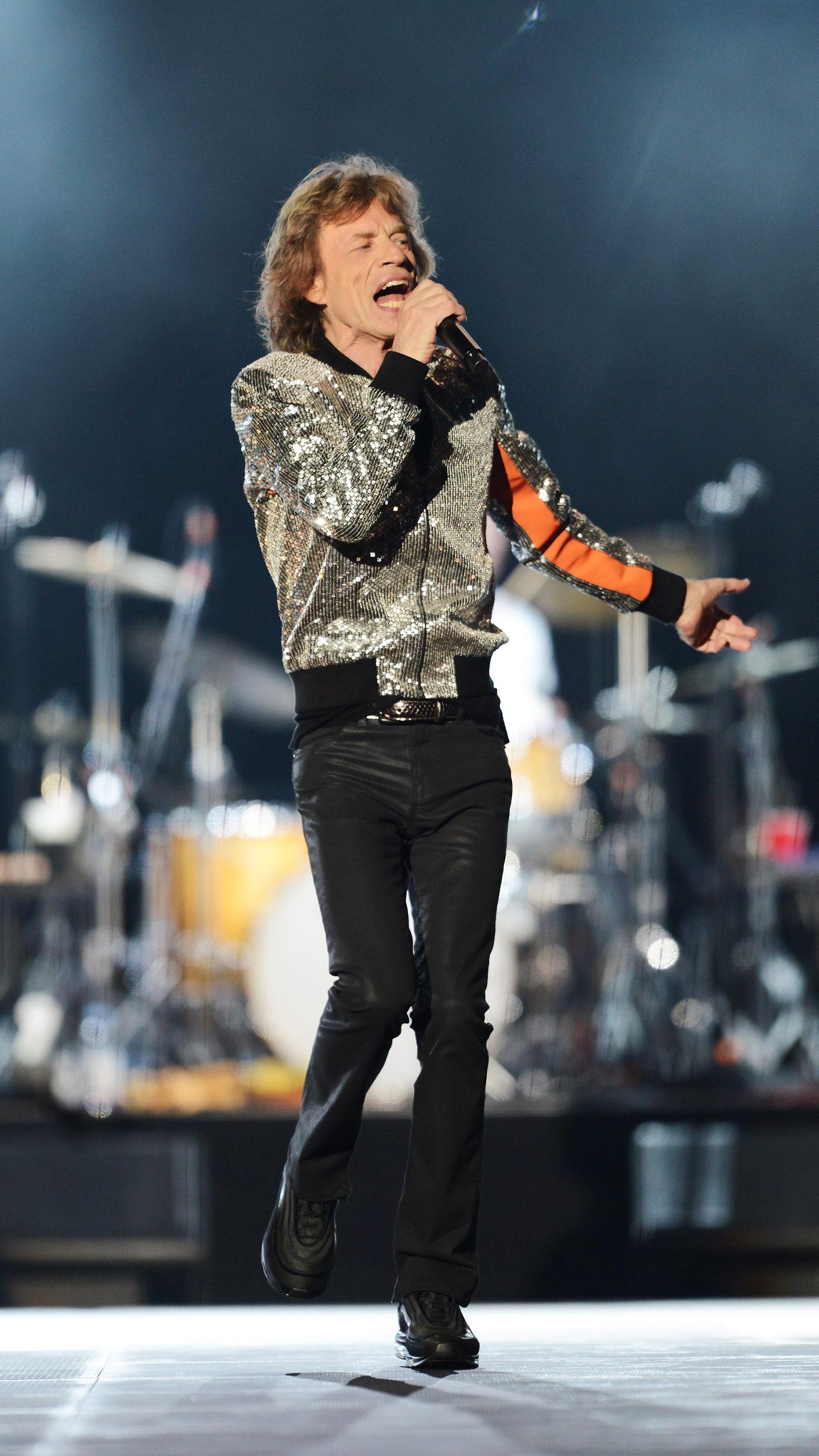
Mick Jagger, the Rolling Stones legend, has gained a reputation for a 'curse' that seemingly causes sports teams he supports to lose. This phenomenon has been observed across various international football
matches. For instance, at the 2010 World Cup, Jagger attended a match to cheer on the USMNT alongside President Bill Clinton, only for the team to be eliminated by Ghana in extra time. His support for England against Germany in the same tournament also resulted in a 4-1 defeat for England. In 2014, when Jagger supported Brazil, the team suffered a historic 7-1 loss. This pattern has led some fans and even a Brazilian TV host to label him as 'the angel of death' for sports teams. Despite the lighthearted nature of the 'curse,' Jagger's son's mother, Luciana Gimenez, has publicly asked fans to stop hounding him, stating that he is suffering from the criticism.
Why It's Important?
The 'Mick Jagger curse' highlights the intersection of celebrity culture and sports fandom, demonstrating how public figures can inadvertently become symbols within popular narratives. While not a tangible threat, the perception of such a 'curse' can influence fan morale and media narratives surrounding major sporting events. For teams like the USMNT, the presence of a high-profile supporter like Jagger, followed by a loss, can become a memorable, albeit superstitious, part of their World Cup history. This phenomenon also underscores the intense emotional investment fans have in their teams, where any perceived negative influence, even a celebrity's attendance, can be amplified and discussed widely. It also shows how social media can quickly disseminate and solidify such narratives, impacting public perception of both the celebrity and the sports teams involved.
What's Next?
The 'Mick Jagger curse' is likely to continue as a recurring humorous and superstitious element in international sports, particularly football. Whenever Jagger attends or publicly supports a team in a high-stakes match, media outlets and fans will undoubtedly monitor the outcome with an eye towards the 'curse.' This could lead to increased social media commentary and playful speculation surrounding his future appearances at sporting events. While there are no formal 'next steps' for a superstitious phenomenon, the narrative will persist as long as Jagger continues to attend major sporting events and the teams he supports experience unfavorable results. The ongoing discussion also serves as a cultural touchstone, reflecting how fans engage with and interpret the unpredictable nature of sports.
Beyond the Headlines
Beyond the immediate sporting outcomes, the 'Mick Jagger curse' offers a fascinating glimpse into the psychology of fandom and the human tendency to seek patterns and explanations, even in random events. It exemplifies how superstitions can become ingrained in popular culture, providing a shared narrative that transcends rational analysis. This phenomenon also touches upon the broader impact of celebrity on public perception; even an iconic figure like Jagger can become associated with an unusual, albeit harmless, 'curse.' It highlights how media and social discourse can construct and perpetuate these narratives, turning a series of coincidences into a widely recognized cultural meme. The 'curse' serves as a reminder of the often irrational yet deeply felt connections between fans, their teams, and the broader world of celebrity.