



What's Happening?
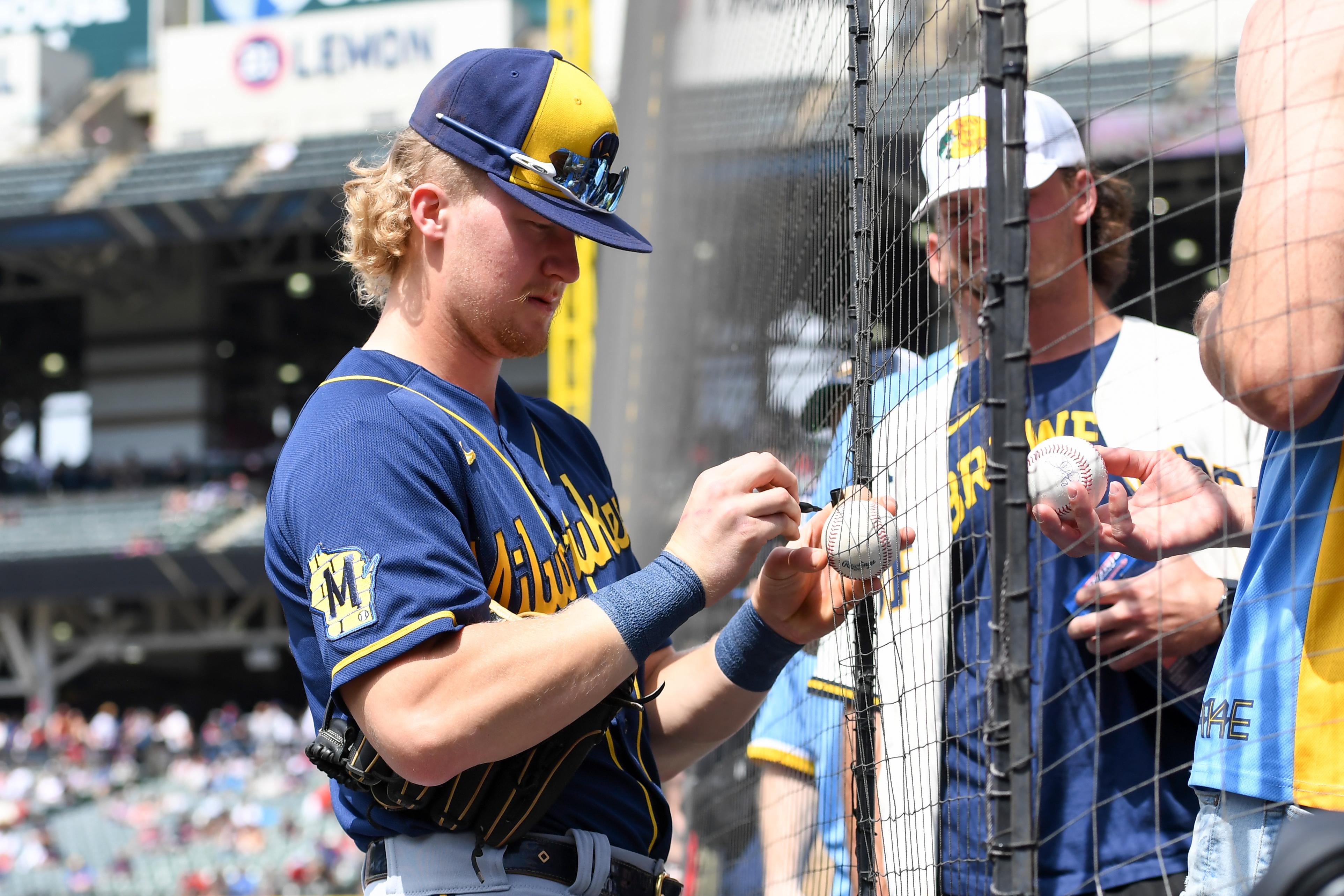
The New York Mets have signed center fielder A.J. Ewing to an eight-year contract extension worth $95 million. The deal also includes a $25 million club option for a ninth year. This agreement was finalized
yesterday, with the Mets reportedly initiating discussions with Ewing about an extension at the conclusion of the regular season. The Athletic's Will Sammon and Tim Britton provided analysis, noting that the deal makes strategic sense for the Mets given Ewing's age, the impending Collective Bargaining Agreement (CBA) negotiations, and industry trends for similar pre-arbitration player extensions. This move secures a key player for the Mets' future roster.
Why It's Important?
This contract extension for A.J. Ewing is a significant move for the New York Mets, demonstrating their commitment to building a competitive team around young talent. Securing a center fielder of Ewing's caliber for an extended period provides stability and a cornerstone for the team's defense and offense. The timing of the deal, ahead of potential CBA negotiations, suggests a strategic effort by the Mets to lock in a valuable asset under favorable terms, potentially avoiding higher costs or greater uncertainty in the future. For the MLB market, this extension reflects a continuing trend of teams investing heavily in promising pre-arbitration players, aiming to secure long-term control and mitigate future salary arbitration risks. This could influence other teams' strategies in managing their young talent and negotiating extensions.
What's Next?
With A.J. Ewing secured for the long term, the Mets can now focus on other roster needs and free-agent acquisitions to bolster their team for upcoming seasons. The stability provided by Ewing's extension allows the front office to plan with greater certainty. Other teams in MLB will likely observe the impact of this deal on the Mets' performance and financial flexibility, potentially influencing their own contract negotiations with young stars. The upcoming CBA negotiations will also be a critical factor, as any changes to player compensation or contract structures could affect how teams approach similar extensions in the future. Ewing's performance in the coming seasons will be closely watched to validate the significant investment made by the Mets.
Beyond the Headlines
Beyond the immediate financial and roster implications, Ewing's extension highlights the evolving philosophy of player valuation in MLB. Teams are increasingly willing to commit substantial resources to young players before they reach their arbitration years, recognizing the value of securing talent early and avoiding the volatility of the free-agent market. This trend also reflects a shift in player agency, as young stars gain leverage to secure life-changing contracts earlier in their careers. The deal could also serve as a benchmark for future negotiations involving other promising center fielders or pre-arbitration players across the league. Furthermore, the Mets' proactive approach signals a desire to cultivate a winning culture and build a sustainable contender, rather than relying solely on short-term acquisitions.