


What's Happening?
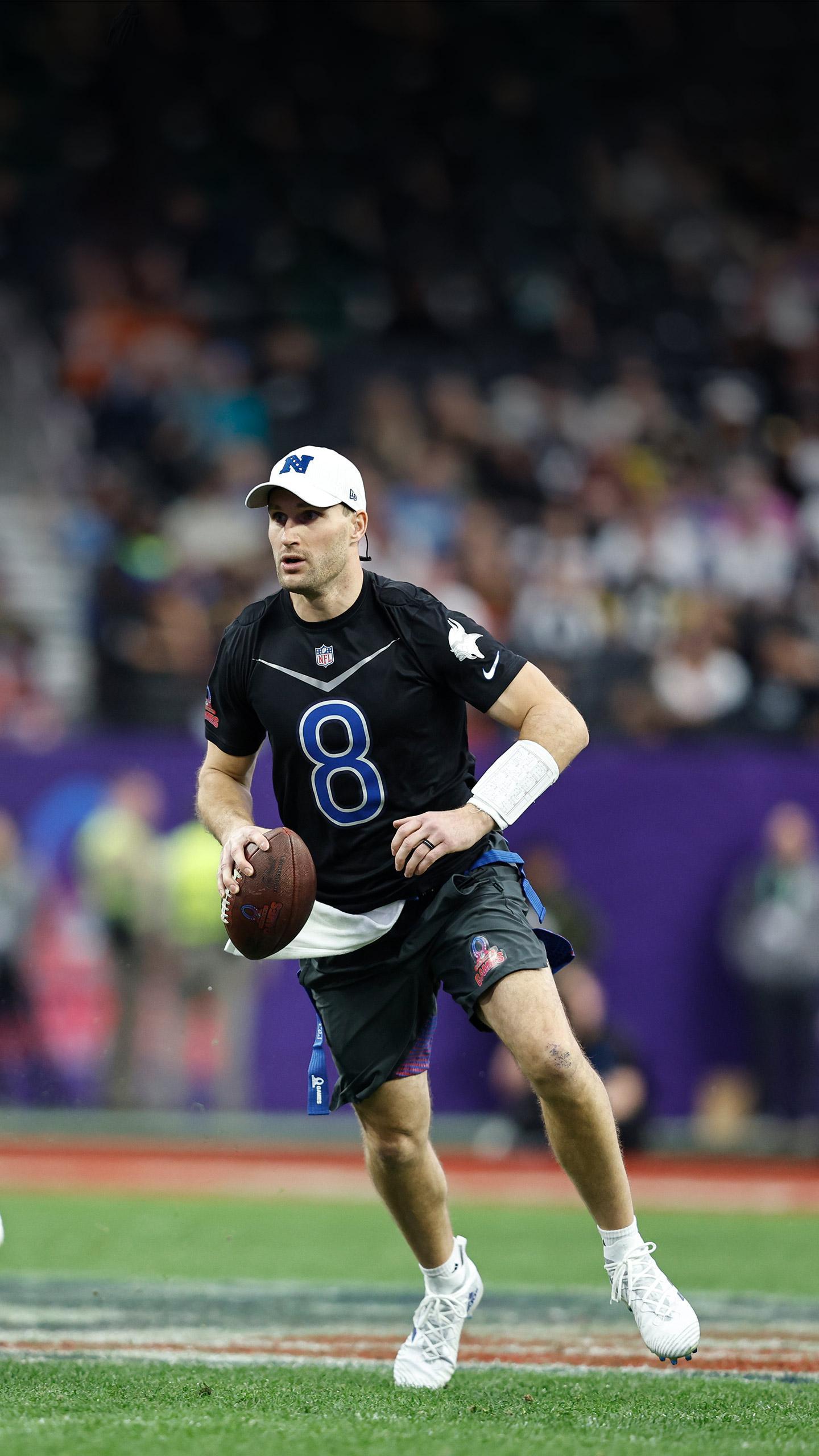
The recent NFL trade deadline has concluded with several significant player movements impacting team rosters and fantasy football outlooks. Quarterback Kirk Cousins has been traded back to the Minnesota
Vikings from the Las Vegas Raiders for a third-round pick. This move follows a period where the Vikings' quarterback performance, particularly from Carson Wentz, was deemed unsatisfactory. Cousins, who was previously the QB6 in EPA per play in 2023 before an Achilles injury, is expected to significantly boost the Vikings' offense, especially for star receivers Justin Jefferson and Jordan Addison, and tight end T.J. Hockenson. Meanwhile, the Kansas City Chiefs acquired wide receiver Josh Downs from the Indianapolis Colts in exchange for fourth- and fifth-round picks. Downs is noted for his performance against man coverage, addressing a need for the Chiefs' receiving corps. Additionally, the San Francisco 49ers added wide receiver Keenan Allen for depth, and Jacoby Brissett was traded to the Baltimore Ravens. Notably, running back Jonathan Taylor remained with the Colts despite trade offers.
Why It's Important?
These NFL trade deadline moves carry substantial implications for team dynamics, competitive balance, and the broader sports landscape. Kirk Cousins' return to the Vikings is critical for their playoff aspirations, providing a proven veteran presence at quarterback that could elevate the performance of their offensive playmakers. This trade underscores the high value placed on experienced quarterbacks in the league and the willingness of teams to make significant moves to address deficiencies at the position. For the Chiefs, acquiring Josh Downs aims to bolster their receiving options, potentially diversifying their offensive attack and reducing reliance on existing players like Rashee Rice. The strategic additions by teams like the 49ers, who sought receiver depth due to injuries, highlight the constant battle against attrition in professional football. The decision by the Colts to retain Jonathan Taylor, despite a challenging season and trade interest, reflects a long-term commitment to their star running back, even as their receiving corps faces changes. These transactions collectively reshape team strengths and weaknesses, influencing future game outcomes and the competitive landscape of the NFL.
What's Next?
Following the trade deadline, the immediate focus will be on how these newly acquired players integrate into their respective teams and impact upcoming games. Kirk Cousins' performance with the Vikings will be closely watched, particularly how he re-establishes chemistry with Justin Jefferson and other offensive weapons. His ability to quickly adapt and lead the offense will be crucial for the Vikings' playoff push. For the Kansas City Chiefs, the addition of Josh Downs will test how effectively he can complement their existing offensive scheme and provide a reliable target for their quarterback. The performance of players like Rashee Rice, who might see a shift in his role, will also be under scrutiny. The San Francisco 49ers will be looking for Keenan Allen to provide immediate relief and stability to their injury-plagued wide receiver group. The Colts, having retained Jonathan Taylor, will need to find ways to maximize his production despite changes to their receiving core. These developments will unfold over the remainder of the NFL season, with each game providing further insight into the success or challenges of these trade deadline decisions.
Beyond the Headlines
The NFL trade deadline transactions extend beyond immediate team performance, touching upon broader aspects of player valuation, team building philosophies, and the strategic use of draft capital. The willingness of the Vikings to re-acquire Kirk Cousins, despite his previous departure and injury history, highlights the premium placed on quarterback stability and experience in the league. This move could influence how teams approach veteran quarterbacks in future trade windows. The Chiefs' acquisition of Josh Downs, a player known for specific skill sets, demonstrates a trend towards targeted player acquisitions to address particular offensive needs rather than just seeking general talent. The Colts' decision to hold onto Jonathan Taylor, even with a struggling offense, reflects a commitment to foundational players and potentially a long-term vision that prioritizes continuity over immediate draft compensation. These trades also underscore the dynamic nature of player markets, where perceived value can fluctuate rapidly based on performance, injuries, and team needs, influencing contract negotiations and future trade discussions across the league. The impact on player morale and team culture, though less tangible, also plays a significant role in the success of such high-profile moves.