


What's Happening?
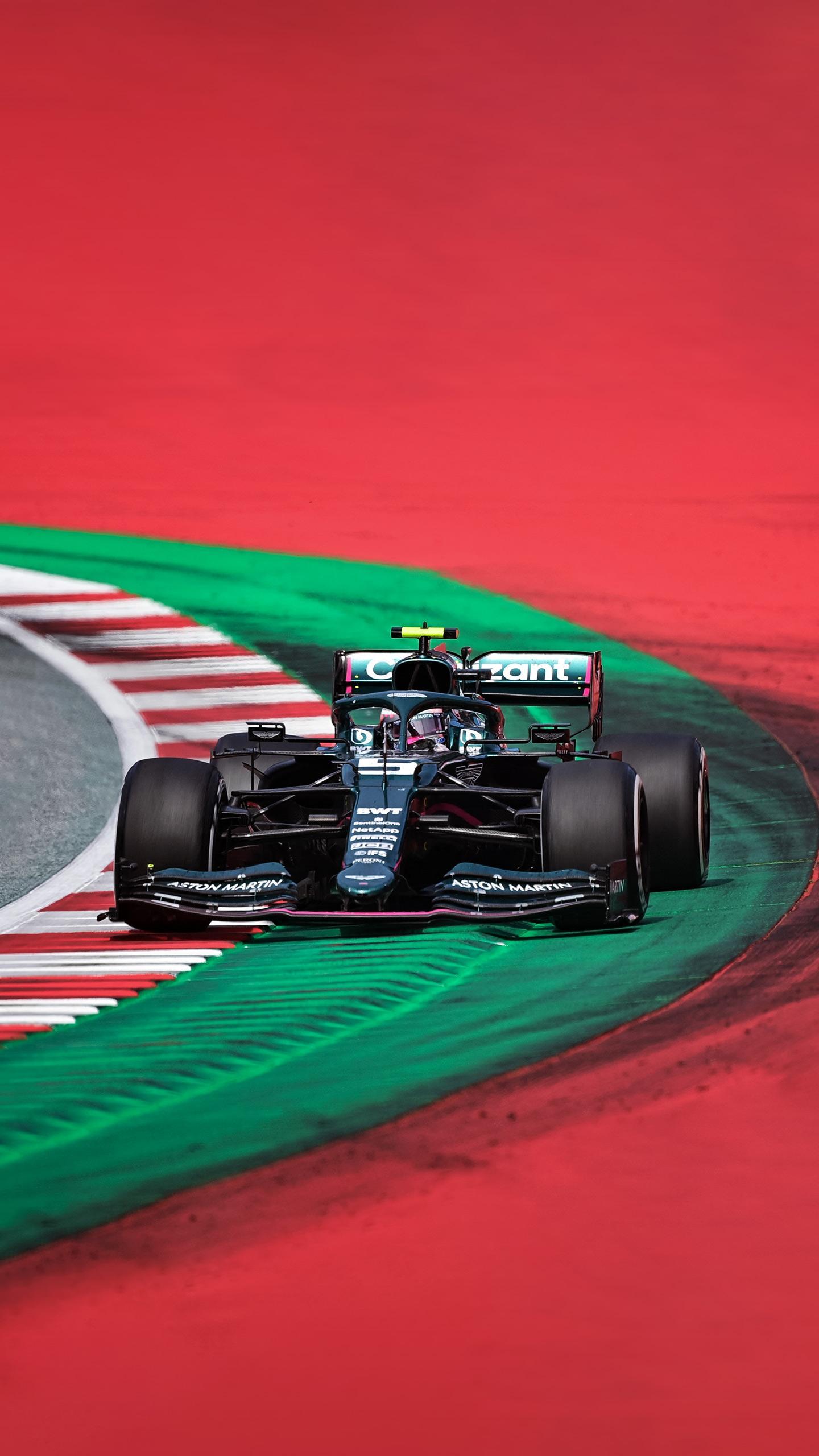
Lawrence Stroll, owner of the Aston Martin Formula 1 team, has reportedly reached his limit with the team's persistent reliability problems, particularly recurring battery failures from engine supplier
Honda. According to Sky Sports F1 commentator Martin Brundle, Stroll is struggling to find solutions as Honda continues to investigate the root cause of these issues. The latest incident occurred at the São Paulo Grand Prix, where driver Lance Stroll retired due to another battery-related problem. This marks Lance Stroll's 13th retirement in 20 races during the 2026 season, bringing him close to the record for most retirements in a single Formula 1 campaign. Honda's trackside general manager, Shintaro Orihara, acknowledged that while they understand what happened in Brazil, the underlying cause of the battery failures remains unidentified, requiring several weeks of investigation.
Why It's Important?
The deepening reliability crisis at Aston Martin, particularly with its Honda power units, poses significant challenges for the team's performance and future prospects. Lawrence Stroll's reported frustration highlights the severe impact these issues have on team morale, investment returns, and competitive standing. With Lance Stroll nearing an unwanted record for retirements, the team's ability to consistently score points is severely hampered, affecting its position in the Constructors' Championship. The inability of Honda to pinpoint the root cause of the battery failures is critical, as it directly impacts the development of their 2027 power unit and raises concerns about the long-term viability of their partnership. This situation could deter potential sponsors and talent, undermining Aston Martin's ambitions to compete at the top tier of Formula 1.
What's Next?
Aston Martin and Honda face a critical period in the remaining three races of the 2026 season. The immediate priority for Honda is to identify the root cause of the recurring battery failures to prevent them from carrying over into the 2027 season. This will involve extensive data review and physical investigation of the battery units, a process Honda estimates could take several weeks. For Aston Martin, the final races will be crucial for gathering more data and working with Honda to implement countermeasures. The team will also need to assess its long-term strategy regarding its engine partnership and potential technical solutions. Lawrence Stroll's patience will likely depend on tangible progress in resolving these reliability issues before preparations for the 2027 season intensify.
Beyond the Headlines
The ongoing reliability issues at Aston Martin and Honda underscore the immense technical complexities and pressures within Formula 1. Beyond the immediate competitive setbacks, this situation could have broader implications for manufacturer-team relationships in the sport. If Honda struggles to resolve these fundamental issues, it could impact its reputation as a power unit supplier and potentially influence future collaborations with other teams. For Aston Martin, a prolonged period of unreliability could lead to a re-evaluation of its technical leadership and engineering strategies. The situation also highlights the delicate balance between performance innovation and reliability in high-stakes motorsport, where even minor component failures can derail an entire season and test the resolve of team owners and partners.