


What's Happening?
The Cleveland Cavaliers played against the Dallas Mavericks without their entire usual starting lineup on Saturday. This significant absence was due to a combination of player injuries and severe travel
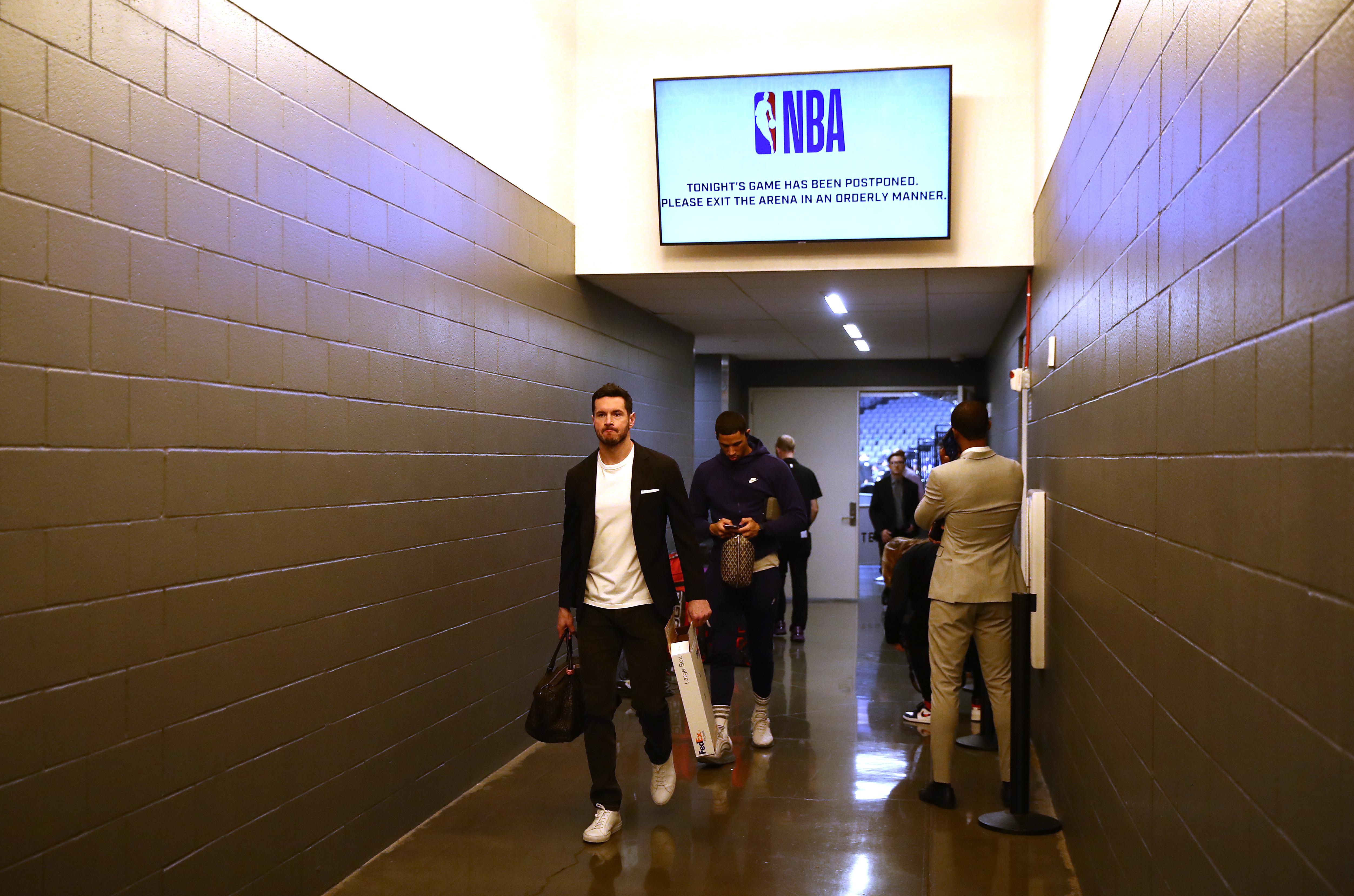
disruptions. Four key players—shooting guard Donovan Mitchell (left knee bruise), point guard James Harden (left calf), small forward Peyton Watson (right hamstring), and center Jarrett Allen (right knee)—were ruled out. Additionally, power forward Evan Mobley missed his second consecutive game due to a left great toe sprain, an injury sustained earlier in the week. The team's travel difficulties stemmed from a nationwide Federal Aviation Administration ground stop on Friday, which forced the Cavaliers to remain in South Florida after their game against the Miami Heat. They were only able to fly back to Cleveland on Saturday morning, leading to a challenging back-to-back schedule and further exacerbating player availability issues. Coach Kenny Atkinson confirmed the inactive status of these players during his pregame availability, with fans at Rocket Arena reportedly booing loudly when the inactive players were announced.
Why It's Important?
This situation highlights the significant impact that unforeseen logistical challenges and player injuries can have on professional sports teams, particularly in leagues with demanding schedules like the NBA. For the Cavaliers, playing without their entire starting lineup against the Mavericks represents a substantial competitive disadvantage, potentially affecting their standing in the Eastern Conference. The absence of star players like Donovan Mitchell, who averages 23.0 points, 5.6 assists, and 4.9 rebounds per game, forces the team to rely heavily on less experienced or reserve players. This scenario can test the depth and adaptability of a team's roster and coaching staff. Furthermore, the incident underscores the broader implications of air travel disruptions, demonstrating how events like FAA ground stops can ripple beyond general public inconvenience to affect specific industries and scheduled events, including professional sports. The team's travel woes, combined with existing injuries, create a challenging environment for maintaining player health and performance throughout a long season.
What's Next?
The immediate consequence for the Cavaliers is navigating the game against the Mavericks with a severely depleted roster, relying on players like Mario Hezonja, Thomas Bryant, Jaylon Tyson, Tyrese Proctor, and rookie Meleek Thomas, who made their initial starts of the season. Coach Kenny Atkinson will need to strategize to maximize the performance of his available players and potentially adjust game plans significantly. Looking ahead, the team will need to monitor the recovery of Donovan Mitchell, James Harden, Jarrett Allen, Peyton Watson, and Evan Mobley closely. Their return timelines will be crucial for the Cavaliers' performance in upcoming games and their pursuit of a stronger position in the Eastern Conference standings. The NBA's decision to proceed with the game despite the Cavaliers' travel disruptions also raises questions about league protocols for such unforeseen circumstances and whether adjustments might be considered for future incidents to ensure competitive fairness and player welfare.
Beyond the Headlines
This event touches upon the broader discussion of player workload and injury management in professional sports. The demanding NBA schedule, coupled with travel, often pushes athletes to their physical limits, making them susceptible to injuries. The travel disruption further complicated this, forcing players to endure an arduous schedule without adequate rest or preparation. This incident could fuel ongoing debates within the league about scheduling practices, back-to-back games, and the impact of travel on player health and performance. It also subtly highlights the reliance of professional sports on efficient infrastructure, where even a nationwide FAA ground stop can directly influence game outcomes and team dynamics. The public's reaction, as evidenced by the booing at the announcement of inactive players, reflects the expectation of seeing star athletes perform, underscoring the entertainment aspect of sports and the disappointment when key figures are absent due to circumstances beyond their control.