


What's Happening?
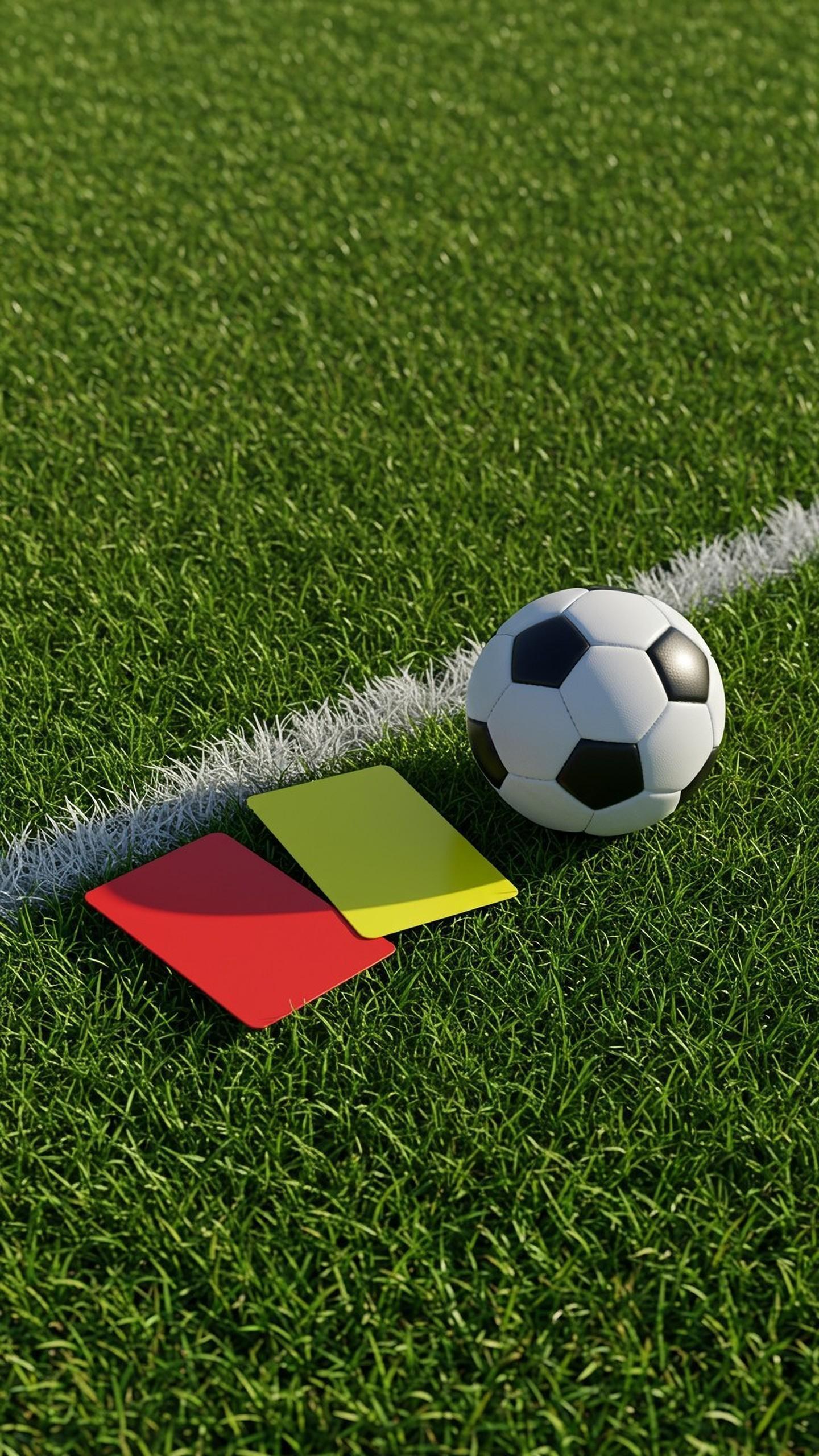
The Technical Committee of Referees (CTA) has affirmed the decision by referee Daniel Palencia Caballero to issue a direct red card to José Corpas during the match between Albacete and Sabadell. The incident,
which the CTA deemed a 'serious rough play,' resulted in Sabadell player Quadri Liameed being knocked unconscious and subsequently hospitalized. The play was featured in the latest 'Tiempo de Revisión' video, a segment by the Royal Spanish Football Federation that analyzes controversial actions from each matchday. The CTA's justification for the expulsion is based on Corpas's tackle, which involved his boot making contact with Quadri's head as he attempted a volley. Liameed received medical attention on the field and was later transported to the hospital, though fortunately, tests ruled out serious injuries. The Albacete club is now awaiting the Competition Committee's ruling on Corpas's suspension, hoping it will not exceed four matches.
Why It's Important?
This decision by the CTA underscores the stringent enforcement of player safety regulations in professional football. The explicit backing of the referee's call for 'serious rough play' sends a clear message to players about the consequences of dangerous actions, even if unintentional. For Albacete, the potential suspension of José Corpas could significantly impact their team strategy and performance in upcoming matches, highlighting the critical role individual player conduct plays in team dynamics. The incident also brings to light the ongoing debate surrounding referee interpretations and the use of video review systems in football, emphasizing the need for consistent application of rules to ensure fair play and protect athletes from severe injuries. The outcome of the Competition Committee's decision will set a precedent for similar incidents in the future, influencing how such fouls are penalized across the league.
What's Next?
The next step involves the Competition Committee, which will determine the length of José Corpas's suspension. Albacete is anticipating this resolution, with hopes that the penalty will be less than four matches, considering the wording of the referee's report. Sanctions for such offenses can range up to twelve matches, depending on the severity assessed by the Competition Committee. The club's manager, Joseba Etxeberría, will need to prepare for Corpas's potential absence, which could necessitate adjustments to the team's lineup and tactical approach. This decision will be closely watched by other clubs and players, as it will clarify the disciplinary standards for dangerous play in the league.
Beyond the Headlines
Beyond the immediate impact on Albacete and Corpas, this incident highlights broader issues within sports, particularly the balance between competitive intensity and player welfare. The emphasis on 'serious rough play' reflects an evolving standard in football to prioritize player safety, moving away from a more lenient approach to physical contact. This shift is part of a global trend in sports to mitigate the risk of severe injuries, especially head trauma, which has long-term health implications for athletes. The public and media scrutiny of such incidents also puts pressure on governing bodies to ensure transparency and fairness in disciplinary actions, reinforcing the integrity of the sport. The case of Corpas and Liameed serves as a stark reminder of the physical risks inherent in professional football and the continuous efforts required to make the game safer.