



What's Happening?
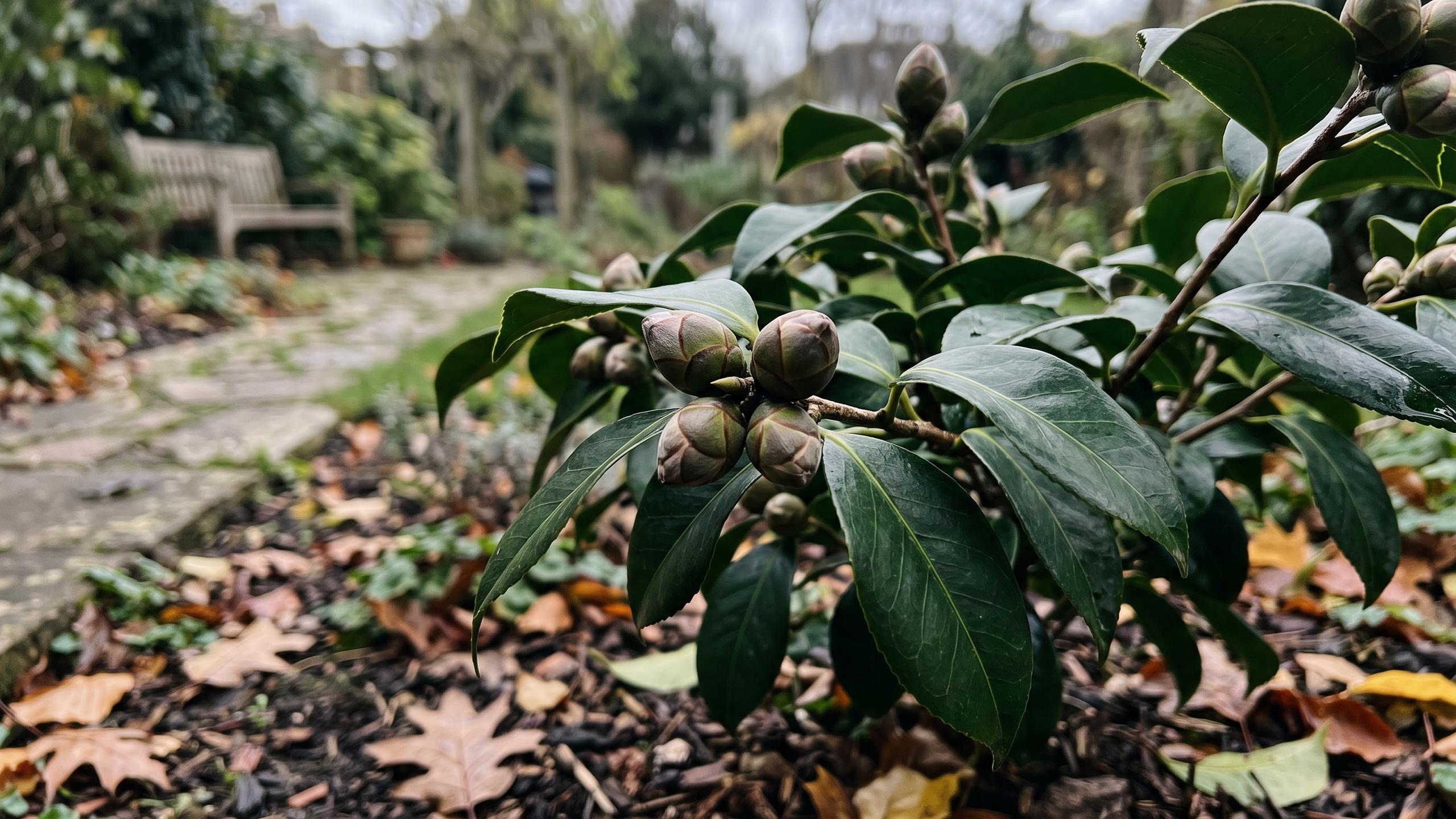
Horticultural experts are advising gardeners in the U.S. to avoid pruning spring-flowering shrubs, such as camellia, rhododendron, azalea, and lilac, during November. Richard Barker, a horticultural expert and commercial
director of LBS Horticulture, explains that these shrubs flower on the previous season's wood. Pruning them in November risks removing future flower buds, which would prevent the plants from producing blooms in the spring. Additionally, cutting back these plants at this time can stimulate tender new growth that may not harden off before dropping temperatures, making it vulnerable to frost damage. Instead, experts recommend waiting until these shrubs have finished blooming in the spring before pruning, allowing gardeners to enjoy their flowers and ensure next year's display.
Why It's Important?
This advice is crucial for U.S. gardeners to ensure the health and aesthetic appeal of their spring-flowering shrubs. Incorrect pruning can lead to a significant loss of blooms, disappointing gardeners and potentially weakening the plants. Understanding the specific flowering habits of different plant types is a fundamental aspect of effective horticulture. For nurseries and garden centers, this information is vital for educating customers and preventing common gardening mistakes. Adhering to proper pruning schedules also contributes to the overall health and longevity of plants, reducing the need for replacements and promoting sustainable gardening practices. This guidance helps gardeners maximize the beauty and vitality of their landscapes, which is important for both personal enjoyment and property value.
What's Next?
Gardeners who follow this advice will delay pruning their spring-flowering shrubs until after they have bloomed in the spring, ensuring a vibrant display. Horticultural publications and gardening websites will likely continue to disseminate this information as November approaches each year. Educational workshops and master gardener programs will reinforce these best practices. Conversely, gardeners should focus on pruning dormant apple and pear trees, as well as deciduous shrubs, in November once their leaves have fallen. This differentiation in pruning schedules highlights the importance of plant-specific care and seasonal timing in gardening, which will continue to be a key area of focus for gardening education and product development.
Beyond the Headlines
The specific advice on pruning spring-flowering shrubs in November reflects a broader principle in horticulture: understanding plant physiology and seasonal cycles. It underscores the idea that successful gardening is not just about effort but about informed effort, aligning human intervention with natural processes. This knowledge empowers gardeners to become more attuned to the needs of their plants, fostering a deeper connection to the natural world. It also highlights the value of expert knowledge in gardening, moving beyond trial-and-error to science-based practices. This approach can lead to more resilient gardens, reduced plant mortality, and a greater appreciation for the intricate life cycles of plants, ultimately enriching the gardening experience and promoting a more harmonious relationship with nature.