



What's Happening?
Viking Roses, a Danish-Dutch partnership between Rosa and Harley Eskelund and John Pouw, has announced a breakthrough in rose breeding. Their latest breeding lines have successfully overcome the traditional
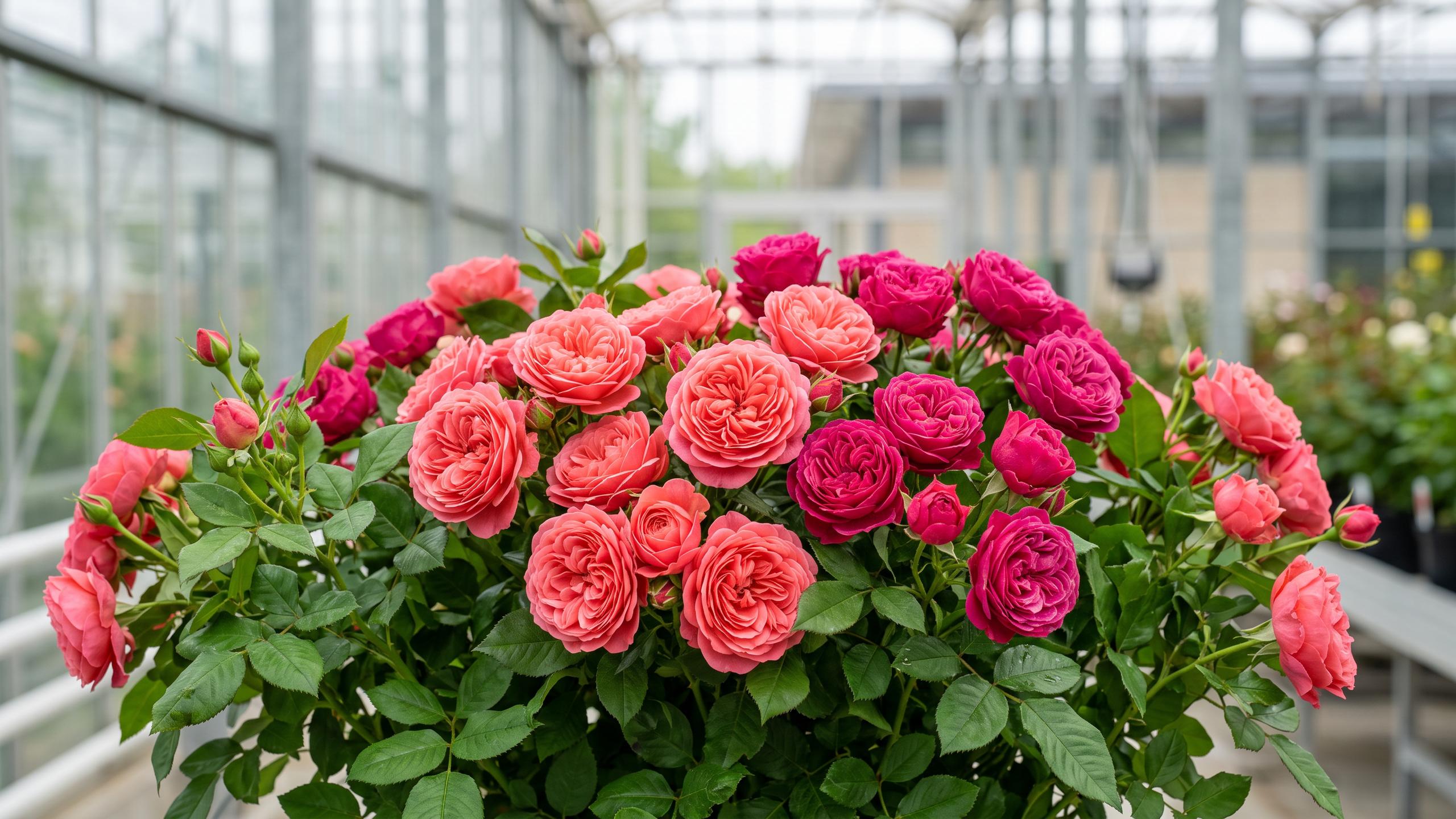
limitations associated with fragrant roses, such as short vase life and sensitivity to transport. The company, which began its current collaboration in 2012, has been focusing on developing new potted and garden roses, with some longer-stemmed varieties being set aside for cut roses. John Pouw, responsible for marketing, notes that the initial breeding material was based on disease-resistant potted and garden rose lines featuring distinctive colors and shapes. This development has led to the introduction of new varieties under their Rosa's Amazing® and Rosa Loves Me® brands, including Rosa Loves Me® Radiant Rebecca, Rosa Loves Me® Beyond Venus, and Rosa's Amazing® Tea Rose. The company observes a growing interest in garden rose types, particularly spray roses, which align with their genetic foundation of vibrant color combinations, garden rose shapes, and increasing fragrance.
Why It's Important?
This advancement in rose breeding by Viking Roses holds significant implications for the U.S. floral industry and consumers. Historically, the trade-off between fragrance and durability has limited the availability of truly fragrant cut roses in the market. By overcoming these limitations, Viking Roses is poised to meet a rising consumer demand for fragrant flowers, partly driven by social media trends. This could lead to a shift in consumer preferences and purchasing habits, with more emphasis placed on the sensory experience of flowers. For florists and retailers, the availability of fragrant roses with improved vase life and transport resilience means they can offer a more premium and satisfying product. While the wholesale trade may take time to fully embrace fragrant roses, the potential for increased sales and customer loyalty through a differentiated product offering is substantial. This innovation could also inspire other breeders to invest in similar research, fostering a more competitive and diverse market for cut flowers in the U.S.
What's Next?
Viking Roses anticipates a gradual but significant shift in the market as consumers increasingly seek fragrant roses. The company plans to continue introducing new varieties, with John Pouw noting that breeding is not an industrial process but rather cyclical, with two to three new varieties launched annually. They expect that the wholesale trade will eventually fully embrace fragrant roses as consumer demand continues to grow. The company also highlights the importance of creating an emotional product, emphasizing that while breeding is becoming more science-driven with specialized software and AI, the intuition and craftsmanship of breeders like Rosa Eskelund remain crucial. This suggests a future where both scientific advancements and artistic vision will drive innovation in the floral industry. Furthermore, Viking Roses aims to address the pricing in the cut flower market, believing that a truly satisfying experience with a fragrant rose can make its price almost irrelevant, potentially leading to higher perceived value for consumers.
Beyond the Headlines
The development of durable, fragrant roses by Viking Roses touches upon broader themes beyond mere horticulture. It highlights the evolving relationship between consumers and natural products, where sensory experiences like scent are gaining renewed importance in an increasingly digital world. The influence of social media in driving demand for specific product attributes, such as fragrance in flowers, underscores its power in shaping market trends. This also raises questions about the balance between traditional craftsmanship and technological advancements in industries like breeding. While AI and genetic modification offer new tools, the 'fingerspitzengefühl'—the intuitive touch—of experienced breeders remains invaluable. This innovation could also spark a re-evaluation of the perceived value of flowers, moving beyond mere aesthetics to encompass a more holistic sensory and emotional experience. For the U.S. market, this could mean a richer, more engaging floral culture, where the beauty of a rose is complemented by its captivating scent, enhancing its role in personal expression and special occasions.