



What's Happening?
The Soil Association, a prominent accreditation body, has withdrawn its organic certification for farmed salmon in Britain after two decades. This decision follows an extensive review that concluded environmental
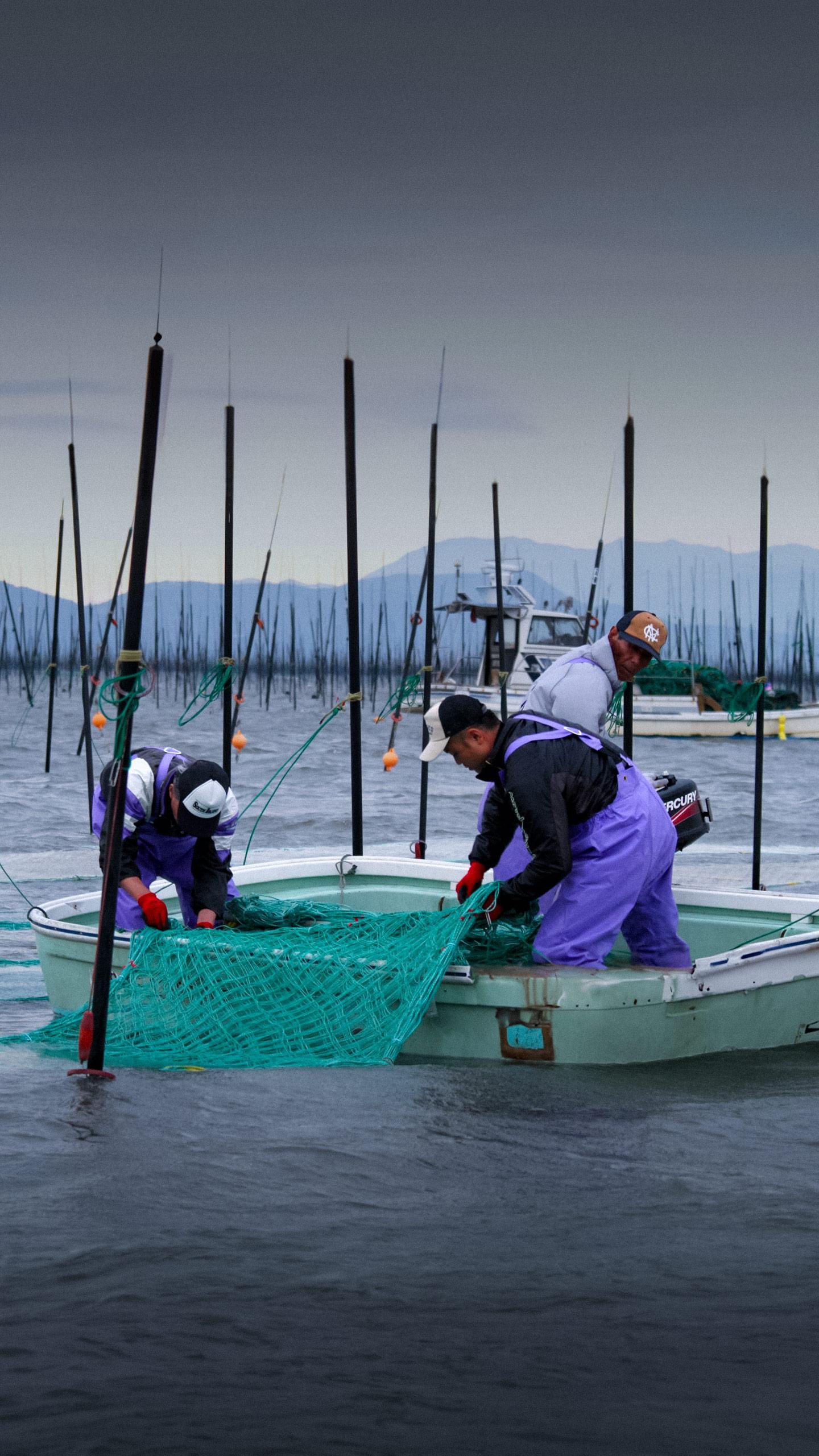
and welfare outcomes in salmon farming were not meeting the association's 'high bar' and that there was insufficient evidence for rapid improvement. The review highlighted concerns such as high stocking densities leading to sea lice infestations, which result in farmed salmon covered in blisters and sores, and high mortality rates. The use of chemicals to treat lice, pollution from toxic chemicals and waste, and the unsustainable use of wild fish for feed were also cited as significant issues. This move comes amidst growing pressure from environmental groups like WildFish, which has long argued that the Soil Association's certification amounted to 'greenwashing' the industry. The British farmed salmon industry, valued at £1 billion annually, produces approximately 205,000 tonnes of fish each year, primarily in Scotland.
Why It's Important?
This decision by the Soil Association carries significant implications for the British farmed salmon industry and consumer perceptions of 'organic' labeling. For consumers, it challenges the notion that currently available organic farmed salmon meets stringent environmental and welfare standards, potentially leading to a reevaluation of their purchasing choices. The industry, a major food export for the UK, faces increased scrutiny and potential reputational damage, which could impact its economic viability and market access. Environmental and animal welfare advocates view this as a crucial victory, validating their long-standing concerns about the practices within industrial salmon farming. It underscores the broader debate about the sustainability of aquaculture and the integrity of organic certifications, potentially influencing other accreditation bodies and food sectors to re-examine their standards and oversight.
What's Next?
The British farmed salmon industry, including major players like Mowi and Scottish Sea Farms, will likely need to address the concerns raised by the Soil Association to regain consumer trust and potentially seek alternative certifications or improve their practices. While Salmon Scotland stated that the UK government assures continued assessment against organic standards, the Soil Association's withdrawal sends a powerful message to the market. Campaigners, such as WildFish, are now calling for greater transparency, including the publication of the Soil Association's inspection reports. This development could also spur further regulatory action or increased consumer demand for genuinely sustainable and ethically produced seafood, potentially shifting market dynamics towards wild-caught or more responsibly farmed alternatives. The industry may also explore new feed alternatives, such as the use of ground-up poultry, as some European farms are already doing.
Beyond the Headlines
The Soil Association's withdrawal of organic certification for British farmed salmon highlights a deeper tension between industrial food production and environmental sustainability. It exposes the challenges of applying 'organic' principles to complex, large-scale aquaculture systems, particularly when dealing with carnivorous species like salmon. The debate extends beyond mere labeling to fundamental questions about animal welfare, ecosystem health, and the ethical sourcing of food. This event could serve as a precedent, encouraging more rigorous standards and greater accountability across various food industries. It also brings to light the potential for 'greenwashing' in marketing and the critical role of independent accreditation bodies in ensuring genuine sustainability. The long-term implications could include a redefinition of what constitutes 'organic' in aquaculture and a broader societal shift towards more transparent and verifiable food production practices.