



What's Happening?
The current El Niño episode is intensifying, with forecasts suggesting it could reach record levels by December. This naturally occurring climate pattern, characterized by unusually warm surface waters
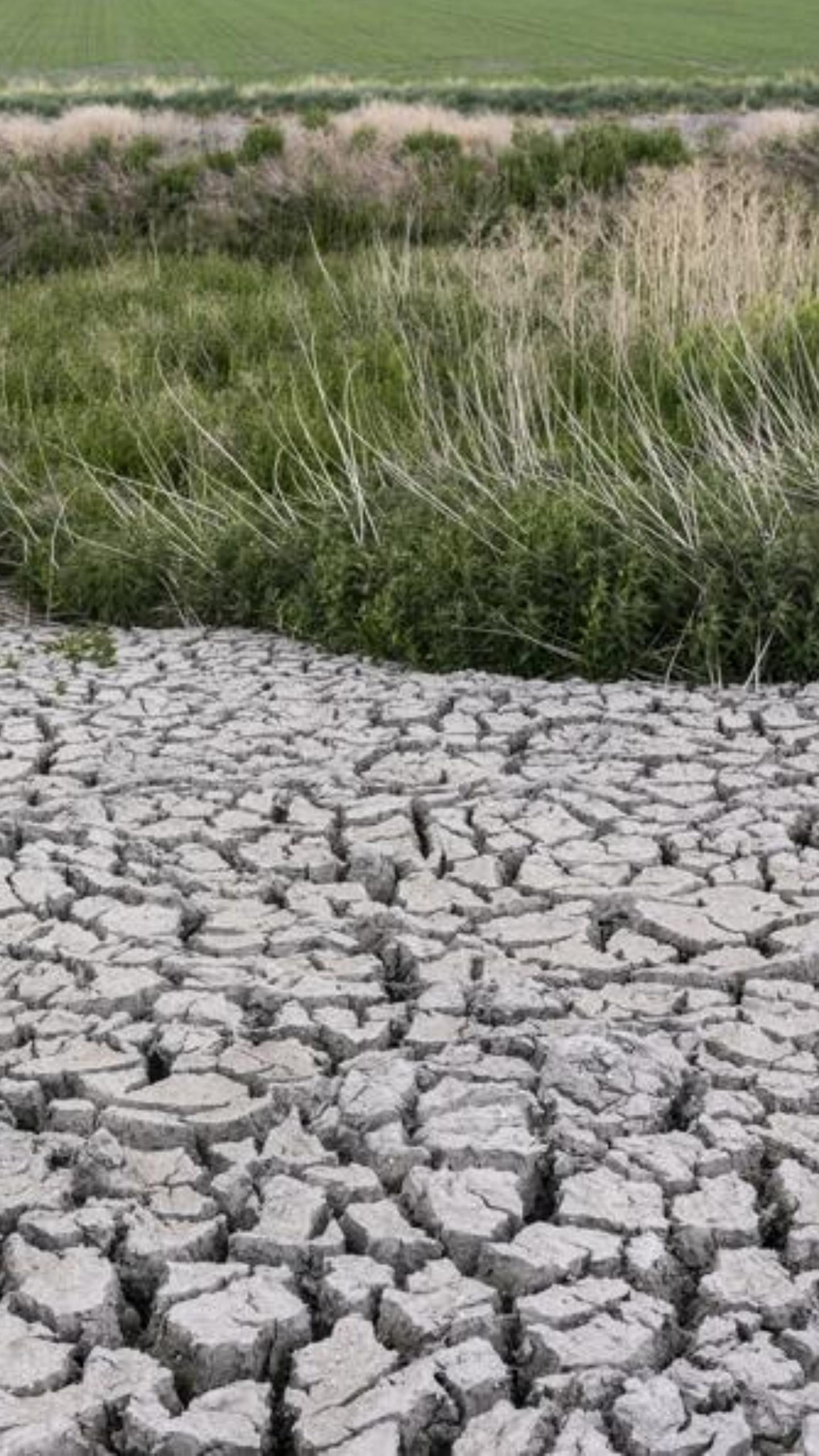
in the central and eastern tropical Pacific, is disrupting atmospheric circulation and altering rainfall and temperature patterns worldwide. The World Meteorological Organization (WMO) Secretary-General Celeste Saulo warned that the event could exceed existing monitoring capacity. The phenomenon is already causing significant geographical consequences, including intensified drought in Central America's Dry Corridor, increased drought risks in northern South America and the Amazon, and heavy rainfall and flooding in Ecuador and Peru. In Asia, El Niño is expected to increase rainfall in parts of the Pacific and intensify monsoon conditions in Sri Lanka and southern India, while threatening Indonesia, the Philippines, and several Pacific islands with reduced rainfall and increased drought and fire likelihood. African southern regions face heightened drought and famine risks, while the Horn of Africa could experience increased rainfall and floods. In North America, storm tracks are shifting southward, increasing rainfall and flood risks in some areas, while Atlantic hurricane activity generally decreases and Pacific activity increases.
Why It's Important?
The intensifying El Niño carries substantial economic and humanitarian implications globally. An analysis by Beatrice Tanjangco of Oxford Economics estimates that under an extreme scenario, cumulative global economic losses between 2026 and 2031 could reach $4 trillion, with the global economy potentially contracting by 0.6% this year and a maximum decline of 0.8% in 2028. Asia is projected to bear the largest absolute economic losses, with China, India, Pakistan, and Southeast Asia accounting for approximately two-thirds of the projected decline in global output. Although Africa's share of total economic losses is estimated at only 4%, the consequences for its population could be disproportionately severe, with African economies expected to experience the largest average increases in consumer prices due to drought and agricultural disruption. Food security organizations, such as Action Against Hunger, are already warning of worsening conditions in vulnerable regions, estimating that 49 million people could face acute hunger by the end of 2027. The economic effects extend beyond directly impacted countries, as agricultural losses and reduced labor productivity can disrupt global supply chains and increase food prices, potentially weakening business and consumer confidence.
What's Next?
The El Niño episode is expected to continue at least until February, with its strength potentially approaching unprecedented levels in December. Governments and international organizations are focusing on preparedness and early-warning systems to mitigate the impacts. The WMO emphasizes the importance of these systems to help authorities anticipate extreme weather and intervene before humanitarian disasters unfold. The World Health Organization has activated a strategic response plan to address public health risks, highlighting that the greatest dangers arise when extreme weather coincides with weak healthcare systems, food insecurity, population displacement, and existing disease outbreaks. The long-term economic damage from El Niño could persist for years, with global GDP potentially remaining below its baseline level even five years after the initial disruption. The interaction between El Niño and human-induced climate change is also a critical area of ongoing study, as the phenomenon temporarily raises global average temperatures and could accelerate climate change through increased wildfires and vegetation deterioration, releasing additional carbon dioxide into the atmosphere.
Beyond the Headlines
The current El Niño event underscores the complex interplay between natural climate cycles and human-induced climate change. While El Niño is a natural phenomenon, its intensity and the severity of its impacts are being exacerbated by underlying global warming. Scientists note that record ocean temperatures reflect both long-term ocean warming caused by climate change and the additional warming from El Niño itself. This interaction raises concerns about the potential for a feedback loop, where El Niño-induced events like wildfires and droughts release more carbon, further intensifying the climate crisis. The global economic and humanitarian consequences highlight the ethical imperative for international cooperation in climate adaptation and disaster preparedness, particularly for vulnerable nations. The event also brings into focus the political challenges of maintaining climate change on the international agenda, as noted by Brazilian President Luiz Inácio Lula da Silva, amidst other global priorities. The long-term shifts in weather patterns and their socio-economic repercussions demand a re-evaluation of infrastructure planning, agricultural practices, and public health strategies worldwide.