



What's Happening?
The USC Viterbi School of Engineering is at the forefront of developing innovative solutions for the evolving space economy, with research spanning from fundamental science to applied engineering. Ahead
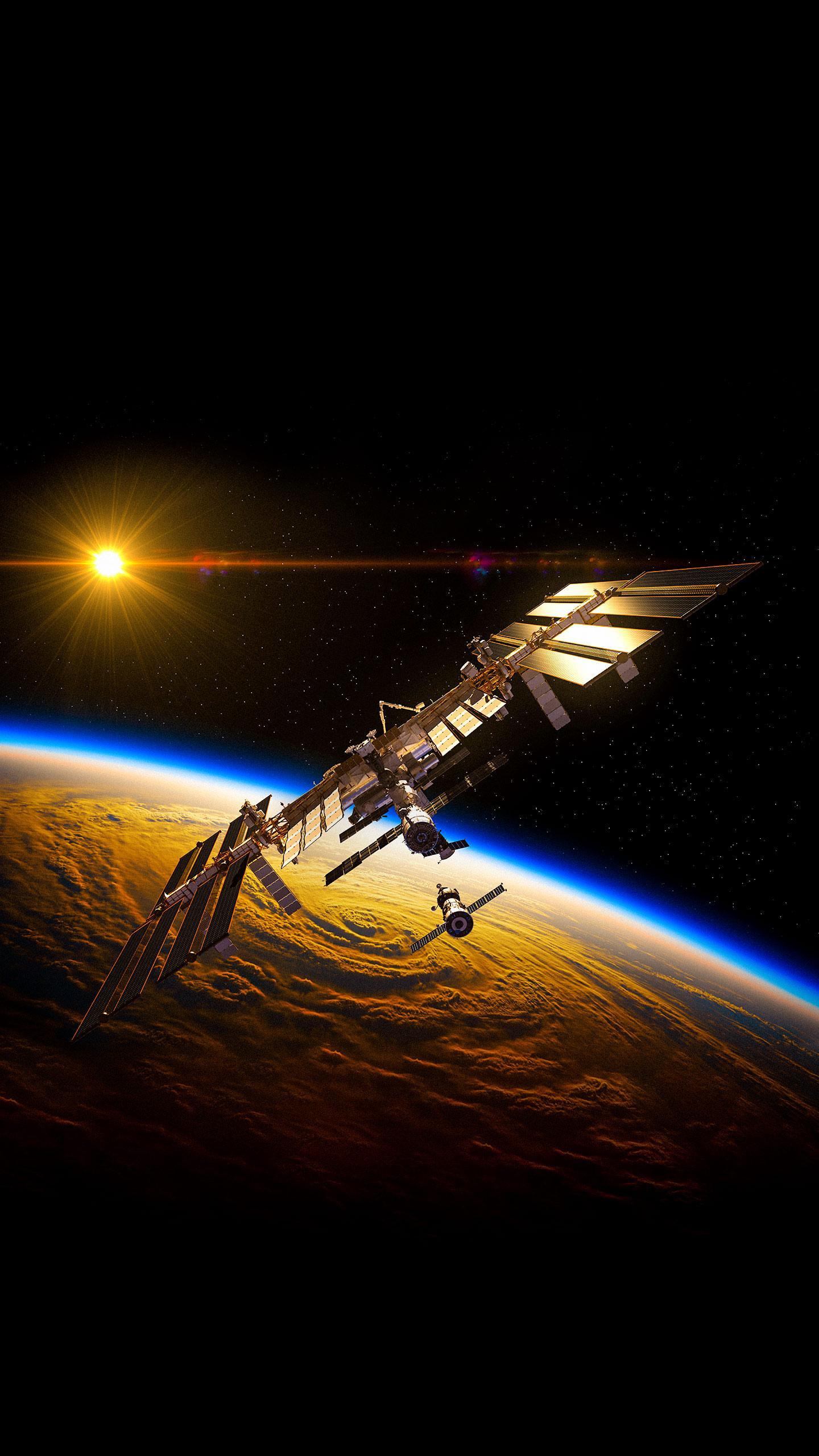
of the New Space Economy Forum on November 17, USC researchers are focusing on creating systems, materials, and robotics that will shape future space missions and reduce costs. The school boasts a rich legacy in space exploration, with alumni like Neil Armstrong and twelve other NASA astronauts. Current research includes developing materials for atmospheric reentry, robotic systems for in-orbit satellite servicing, and student-designed rockets reaching the Kármán line. The USC Space Engineering Research Center (SERC) has launched USC's first satellites and conducted experiments on the International Space Station, emphasizing novel approaches rather than iterating on existing designs.
Why It's Important?
USC Viterbi's extensive research in space science and engineering is crucial for advancing the capabilities of the U.S. space industry. By focusing on cost reduction, increased access, and innovative technologies, the school is directly contributing to the growth of the 'New Space Economy,' which involves a global ecosystem of commercial operators, startups, and research institutions. The development of resilient spacecraft swarms, advanced robotic assembly, and materials capable of withstanding extreme space environments addresses critical challenges for future missions, including lunar exploration and deep-space travel. This research not only pushes the boundaries of what's possible in space but also cultivates the next generation of engineers and scientists, ensuring a continuous pipeline of talent for national space initiatives and commercial ventures.
What's Next?
The New Space Economy Forum on November 17 will bring together founders, operators, investors, public-sector leaders, and researchers to discuss the technologies, funding, and partnerships driving the space sector forward. USC Viterbi will continue to develop and test cutting-edge technologies, including soft robots for in-orbit construction, modular approaches for assembling large space structures, and robotic grippers for space debris removal. Further research will focus on improving spacecraft communication systems, developing memory chips for extreme heat and AI in space, and optimizing Earth-Mars trajectories. These ongoing efforts aim to transition laboratory innovations into practical applications, supporting both government-led space programs and the burgeoning commercial space industry, ultimately shaping the future of human presence and activity in space.
Beyond the Headlines
The shift from government-dominated space endeavors to a more diverse ecosystem involving commercial entities and research institutions signifies a profound transformation in space exploration. USC Viterbi's emphasis on creating entirely new systems, rather than incremental improvements, reflects a paradigm shift towards more ambitious and cost-effective approaches to space. This collaborative model, where universities work closely with industry and government, fosters rapid innovation and accelerates the development of technologies that could have dual-use applications, benefiting both space and terrestrial sectors. The ethical implications of increased space activity, such as space debris management and resource utilization, are also implicitly addressed through research into sustainable and efficient operational methods, highlighting the broader societal responsibility that accompanies technological advancement in space.