
What's Happening?
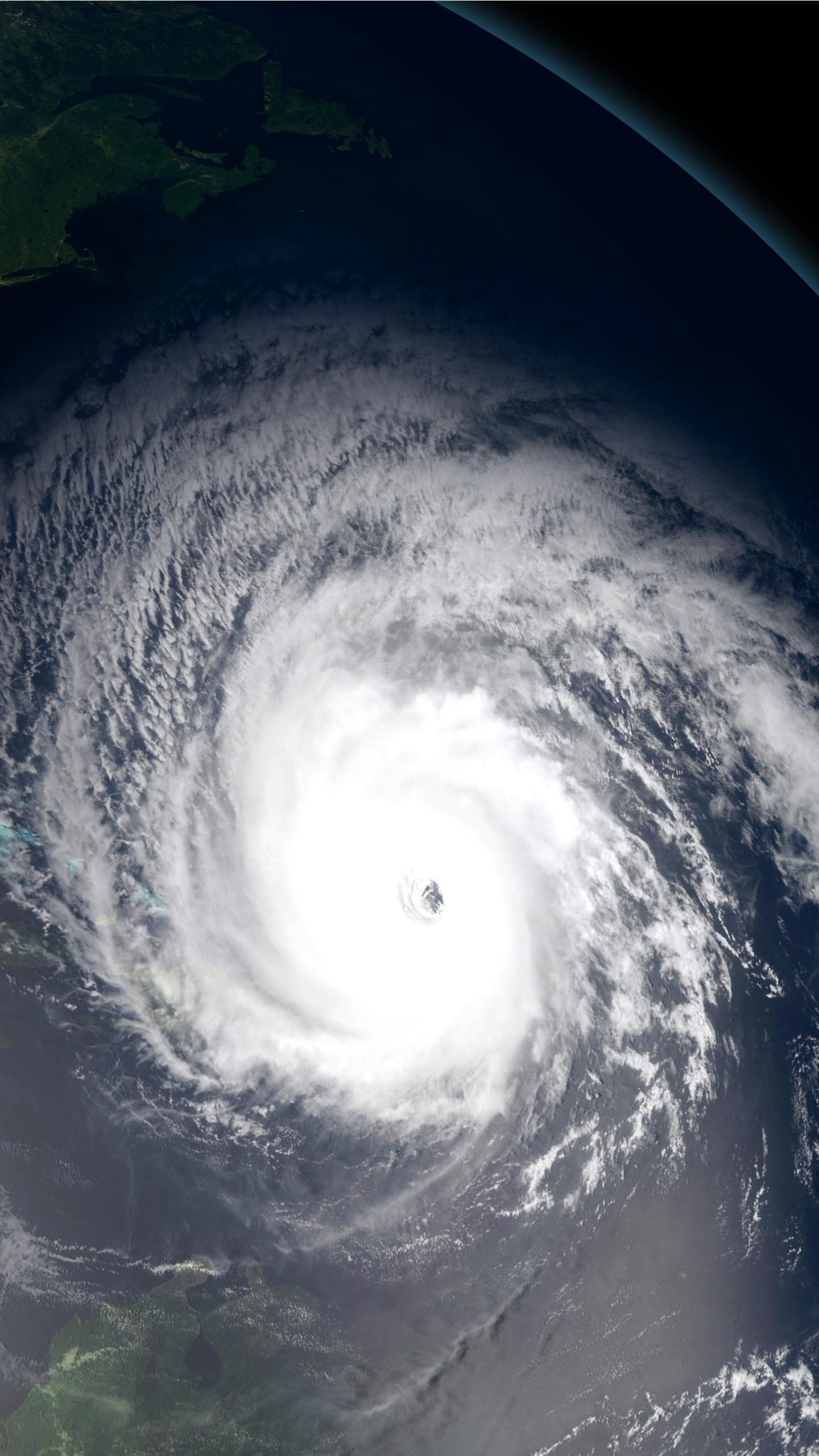
Conservation efforts for the critically endangered Mariana crow, or Åga, on Rota, a U.S. territory, faced a significant setback due to Super Typhoon Bavi in July. Researchers from the University of Washington
and ecologists from the San Diego Zoo Wildlife Alliance have been working for over two decades to prevent the bird's extinction, with only about 300 individuals remaining. The typhoon, a Category 5 storm, severely damaged the outdoor aviaries used for breeding and rehabilitation, obliterating the facility's infrastructure. Before the storm hit, conservationists managed to move 13 birds to makeshift indoor aviaries, saving them. However, of the nine birds not captured, two died, and one sustained injuries. The wild population also suffered losses, which are still being assessed. The research base remains without power months after the typhoon, complicating ongoing care for the agitated crows. This event was followed by Category 4 Typhoon Champi in mid-October, further stressing the ecosystem and conservation teams. The Mariana crow, endemic to Guam and Rota, has already vanished from Guam due to the invasive brown tree snake, making Rota crucial for its survival.
Why It's Important?
The impact of Super Typhoon Bavi on the Mariana crow conservation project highlights the increasing vulnerability of endangered species to extreme weather events, exacerbated by climate change. The Mariana crow is a key seed disperser in Rota's limestone forest, making its survival critical for the island's ecosystem health. The destruction of conservation infrastructure and the loss of individual birds represent a significant blow to years of dedicated work and millions of dollars in federal grants and academic funding. This incident underscores how a single natural disaster can unravel decades of conservation progress, pushing species closer to extinction. The situation also brings to light the precariousness of relying on limited resources and small teams to protect biodiversity, especially in remote U.S. territories that are disproportionately affected by climate-fueled storms. The long-term recovery of the Mariana crow population and its habitat will require sustained funding and support to rebuild infrastructure and continue breeding and reintroduction programs.
What's Next?
In the immediate aftermath of Super Typhoon Bavi, researchers are focused on caring for the surviving Mariana crows and assessing the full extent of the damage to the wild population and their habitat. The facility on Rota remains without power, necessitating reliance on generators and external support for food and supplies. The team has built emergency outdoor aviaries to reintroduce birds to an outdoor environment. Despite the challenges, researchers observed a hopeful sign in late October: a reintroduced Mariana crow pair was actively building a nest, suggesting potential breeding activity even after the storm. However, the long-term recovery of the species will depend on securing additional funding to rebuild the destroyed aviaries and expand habitats to more resilient areas. The ongoing threat of severe typhoons, fueled by abnormally warm ocean temperatures, means conservation strategies must adapt to include more robust infrastructure and diversified habitats to ensure the Mariana crow's survival.
Beyond the Headlines
The struggle to save the Mariana crow extends beyond immediate disaster response, touching upon broader themes of climate justice, indigenous knowledge, and the long-term sustainability of conservation efforts. The Åga is considered an ancestral messenger by the Indigenous CHamoru people, signifying a deep cultural connection that is also at risk. The increased frequency and intensity of typhoons in the Pacific, linked to climate change, disproportionately affect vulnerable island ecosystems and U.S. territories like Rota. This situation highlights the ethical imperative to protect biodiversity in the face of global environmental shifts and the need for robust federal support for conservation programs in these regions. Furthermore, the incident underscores the critical role of 'last resort' conservation breeding programs, which, while costly, are often the only tool left to prevent the extinction of species on the brink. The long-term implications include the potential for more species to require such intensive interventions as climate change continues to impact natural habitats globally.