



What's Happening?
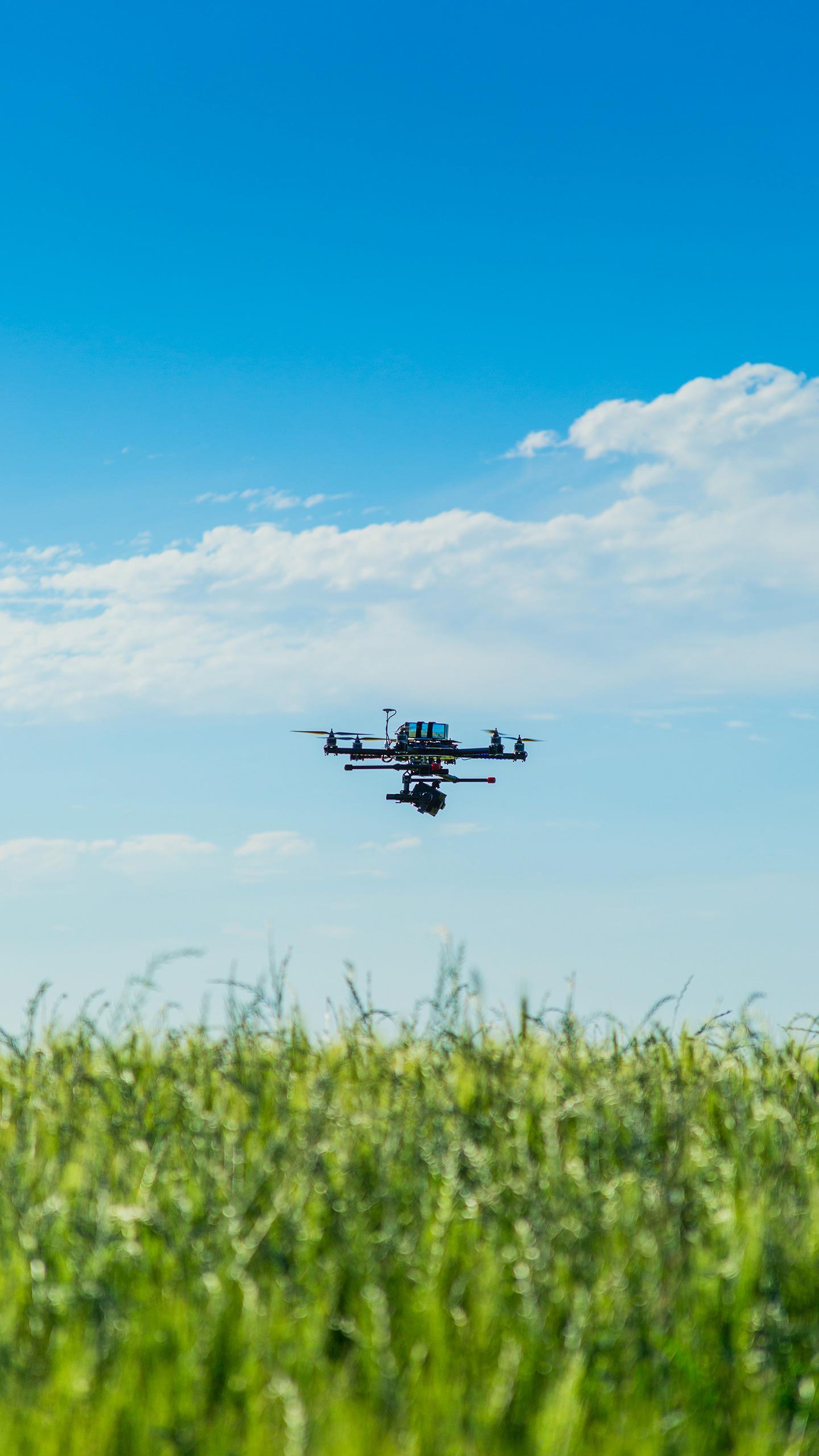
Agricultural drones are being tested as a method to deliver fungicide for controlling tar spot in corn crops. Tar spot, identifiable as raised black flecks on corn leaves, can be a significant concern
for farmers. Purdue University's 2023 drone trials at the Pinney Agricultural Center demonstrated that fungicide application reduced tar spot compared to untreated corn. However, researchers found no clear difference in disease suppression among various application methods, nor in grain yield across treatments at this site. Results at the Davis site were even more varied among drone treatments. The optimal window for a single fungicide pass to protect corn leaves and preserve yield is typically from tasseling through the milk stage (VT to R3). Drones offer an advantage when ground rigs cannot access fields due to wet conditions, allowing for earlier fungicide application. Farmers are advised to scout fields, especially those with a history of tar spot or susceptible hybrids, and to consult crop advisers if spots are moving towards the ear leaf.
Why It's Important?
The effectiveness of agricultural drones in managing corn diseases like tar spot has significant implications for U.S. agriculture. If drones prove consistently effective, they could offer farmers a flexible and timely solution for disease control, particularly in challenging field conditions where traditional ground equipment is impractical. This could lead to better crop protection, potentially preserving yields and reducing economic losses for corn growers. However, the mixed results from Purdue's trials highlight the need for further research and refinement in drone application techniques. The variability in outcomes suggests that factors such as spray coverage, drone technology, and specific field conditions play a crucial role. For farmers, understanding the efficacy and limitations of drone-based fungicide application is vital for making informed decisions about crop management strategies and investments in new technologies. The development of reliable drone application methods could enhance agricultural resilience against plant diseases.
What's Next?
Further research and development are anticipated to refine the use of agricultural drones for fungicide application in corn. Future trials will likely focus on optimizing spray coverage, determining ideal drone specifications, and establishing best practices for various field conditions and disease pressures. Farmers considering drone services will need to carefully evaluate operators' methods for ensuring adequate spray coverage. As drone technology advances, there may be improvements in precision and efficacy, potentially leading to more consistent results in tar spot suppression and yield preservation. The agricultural industry will continue to monitor these developments to integrate effective drone solutions into broader crop protection strategies, aiming to provide farmers with reliable tools to combat diseases and maintain crop health.
Beyond the Headlines
The integration of drone technology into agricultural practices represents a broader shift towards precision agriculture and the adoption of advanced tools for farm management. Beyond immediate disease control, the use of drones can contribute to more sustainable farming by potentially optimizing fungicide use, reducing chemical runoff, and minimizing soil compaction compared to heavy ground equipment. The data collected by drones during scouting and application could also provide valuable insights into crop health patterns and disease progression, enabling more proactive and data-driven decision-making. However, challenges remain, including the cost of drone technology and services, regulatory frameworks for drone operation in agriculture, and the need for skilled operators. The ongoing evaluation of drone efficacy in specific agricultural contexts like tar spot management will shape the future adoption rates and the overall impact of this technology on the agricultural landscape.