
What's Happening?
Marine scientists have developed and evaluated a less invasive method for tracking endangered whale sharks using spring-loaded dorsal fin clamps. This new approach, detailed in a global survey and empirical
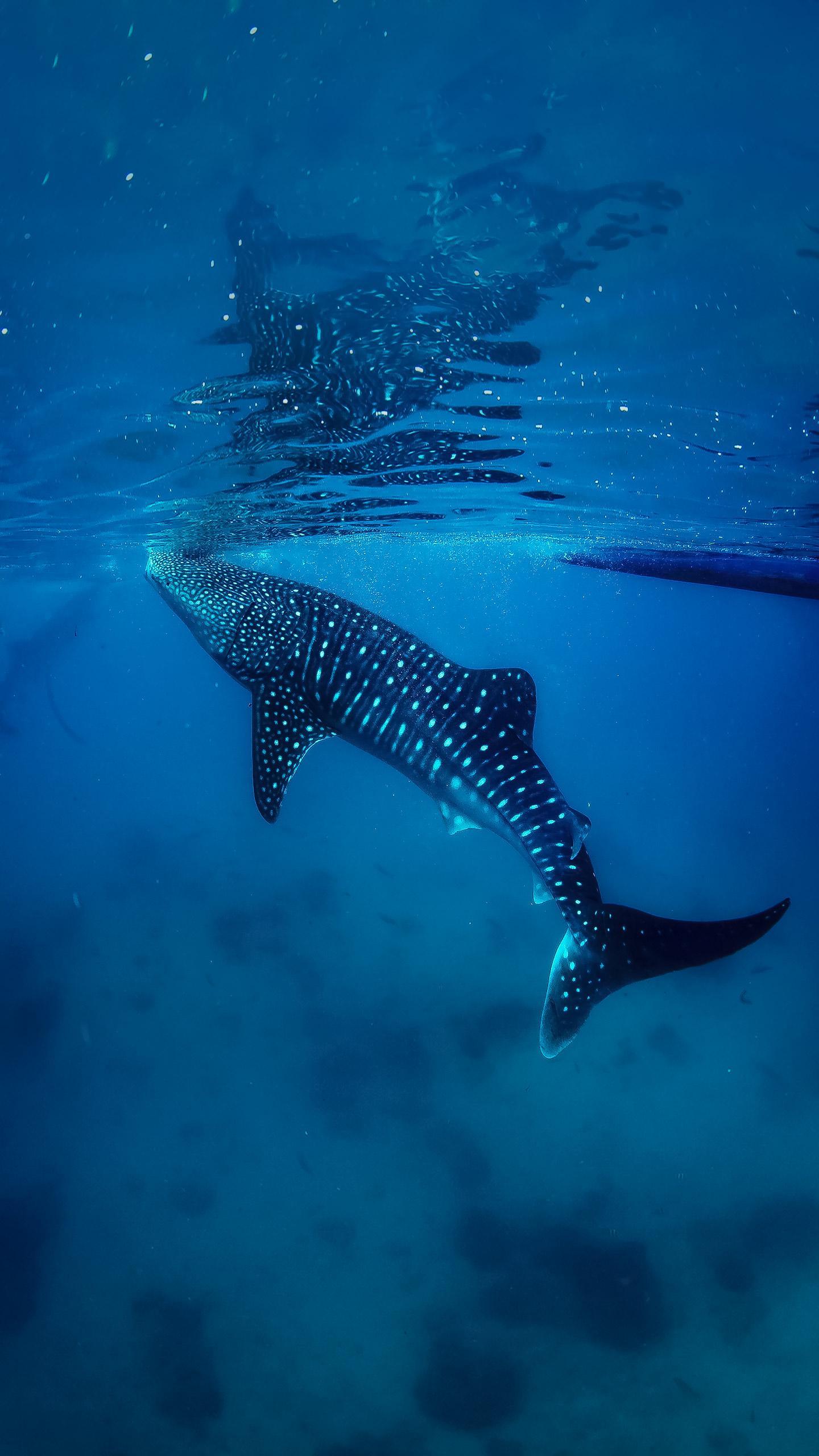
tracking evaluation published in Animal Biotelemetry, offers a viable alternative to traditional, more invasive fin-drilling techniques. The international investigation, led by marine scientists Freya C. Womersley and David W. Sims, synthesized tagging experiences from 23 survey respondents and tracking data from 96 individual whale sharks. Researchers found that refined clamp systems can provide comparable data quantities and multi-hundred-day tracking durations to drilled bolts, without requiring dangerous physical capture or in-water restraint. This method allows for the attachment of satellite transmitters and archival biologgers to free-swimming sharks, addressing significant logistical hurdles posed by the whale shark's immense size and thick dermis.
Why It's Important?
The development of less invasive tagging methods is crucial for the conservation of endangered marine megafauna like whale sharks. Traditional methods, such as intramuscular dart anchors or fin drilling, often lead to issues like hydrodynamic drag, open wounds, entanglement risks, and premature detachment, or are logistically prohibitive and inherently invasive. By reducing the stress and potential harm to these animals, the new clamp system improves the accuracy and longevity of tracking data. This enhanced data collection is vital for understanding whale shark migration corridors, diving patterns, and exposure to human threats, which in turn supports the development of more effective multilateral protection policies for declining shark populations worldwide. The ethical framework of replacement, reduction, and refinement in animal research is also advanced by this innovation, minimizing the impact on wild animals while maximizing data yield.
What's Next?
The researchers have synthesized their findings into an engineering blueprint for whale shark clamps, recommending standardized guidelines for future international conservation programs. These guidelines include specific material and design specifications, such as austenitic stainless steel wire frames matched to animal body size, and dual pairs of stainless steel or nylon spikes on modular plastic plates. Implementing these standardized engineering guidelines is expected to further reduce invasive handling interventions and improve long-distance movement models. Additionally, the study advocates for standardizing reporting protocols across future expeditions and integrating advanced materials and degrading steel links that allow transmitters to detach automatically after battery exhaustion, ensuring continuous improvement in tracking technology and ethical practices.
Beyond the Headlines
This technological advancement in wildlife tracking has broader implications for conservation efforts beyond whale sharks. The principles of developing less invasive, more effective tagging methods can be applied to other large marine species facing similar conservation challenges. The emphasis on ethical considerations, such as minimizing harm and maximizing data yield, sets a precedent for future research in animal biotelemetry. Furthermore, the influence of long-term satellite tracking data on international conservation policy, as evidenced by a 2024 resolution on ship strikes and the 2025 uplisting of whale sharks under CITES Appendix I, underscores the critical role of such scientific innovations in shaping global environmental governance and protecting vulnerable species.