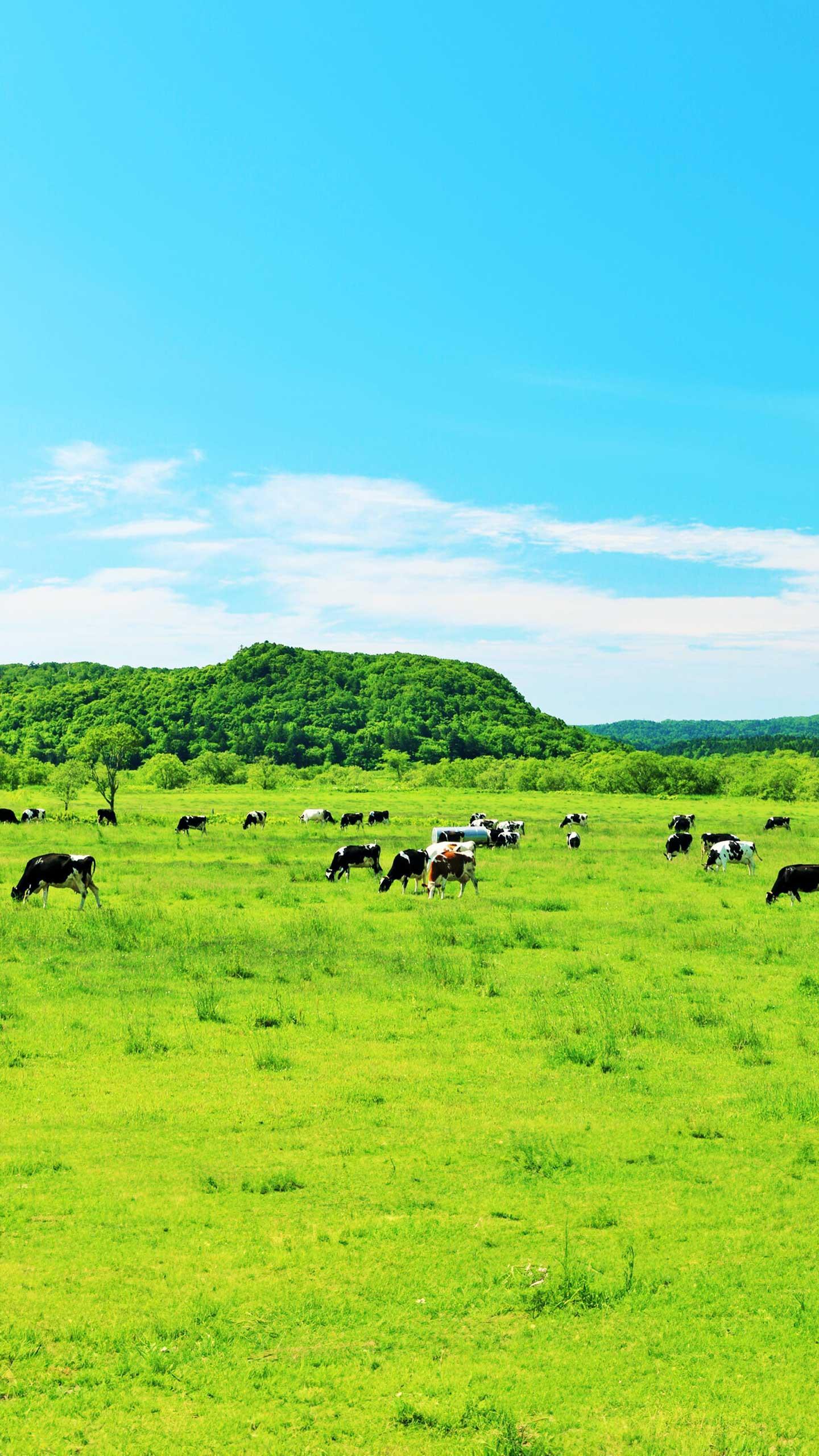




What's Happening?
Animal agriculture plays a dual role in the climate system, acting as both a significant source of greenhouse gas emissions and a potential carbon sink. Emissions primarily stem from methane (CH₄) released
during enteric fermentation in ruminant livestock, nitrous oxide (N₂O) from fertilizer application and manure decomposition, and carbon dioxide (CO₂) from residue burning, tillage, and land-use changes. However, agriculture also has the capacity to store carbon through improved soil organic carbon, agroforestry practices, reduced soil disturbance, and increased biomass return. Mitigation strategies focus on enhancing productivity and feeding practices, such as improving feed quality and digestibility, better herd productivity, and using feed additives. These approaches aim to reduce methane emissions per unit of milk or meat, rather than solely by decreasing animal numbers. The integration of agroecological models, like silvopasture and agroforestry, can significantly offset emissions by sequestering carbon, with some operations achieving climate-neutral or net-negative carbon footprints.
Why It's Important?
The dual nature of animal agriculture's impact on the climate system is crucial for understanding and addressing environmental challenges in the U.S. and globally. As a major contributor to greenhouse gas emissions, the sector faces increasing pressure to adopt sustainable practices. The ability of agriculture to also act as a carbon sink presents opportunities for innovative solutions that can both reduce environmental impact and enhance agricultural productivity. Improved feed quality and herd management can lead to more efficient resource use, benefiting farmers economically while lowering emissions. The development and implementation of agroecological models offer pathways to achieve climate goals, potentially transforming agricultural landscapes into more resilient and environmentally friendly systems. This balance between emission reduction and carbon sequestration is vital for developing comprehensive climate strategies that support both environmental sustainability and food security.
What's Next?
Future efforts in U.S. animal agriculture will likely focus on scaling up and incentivizing the adoption of proven mitigation strategies. This includes continued research into feed additives and breeding programs that enhance animal efficiency and reduce methane output. Policy development may explore carbon markets and ecosystem payments, assigning economic value to emission reductions and carbon storage in agricultural practices. Such mechanisms could provide financial incentives for farmers to implement practices like improved soil organic carbon management and agroforestry. There will also be a continued emphasis on integrating productivity improvements with mitigation efforts, ensuring that environmental benefits do not come at the expense of agricultural output. The challenge remains in accurately measuring and verifying these mitigation efforts across diverse agricultural systems and overcoming potential barriers such as upfront costs and weak advisory support.
Beyond the Headlines
The discussion around animal agriculture's environmental impact extends beyond immediate emissions to broader ethical and economic considerations. The potential for agriculture to be a significant carbon sink highlights a shift in perspective, viewing the sector not just as a problem but as a vital part of the climate solution. This could lead to a re-evaluation of land use policies, promoting practices that enhance biodiversity and ecosystem services alongside food production. The economic implications are substantial, as carbon markets and ecosystem payments could create new revenue streams for farmers, fostering a more sustainable and resilient agricultural economy. Furthermore, the emphasis on local data and specific regional conditions in assessing environmental performance underscores the need for tailored approaches rather than one-size-fits-all solutions, acknowledging the complexity and diversity of agricultural systems.