
What's Happening?
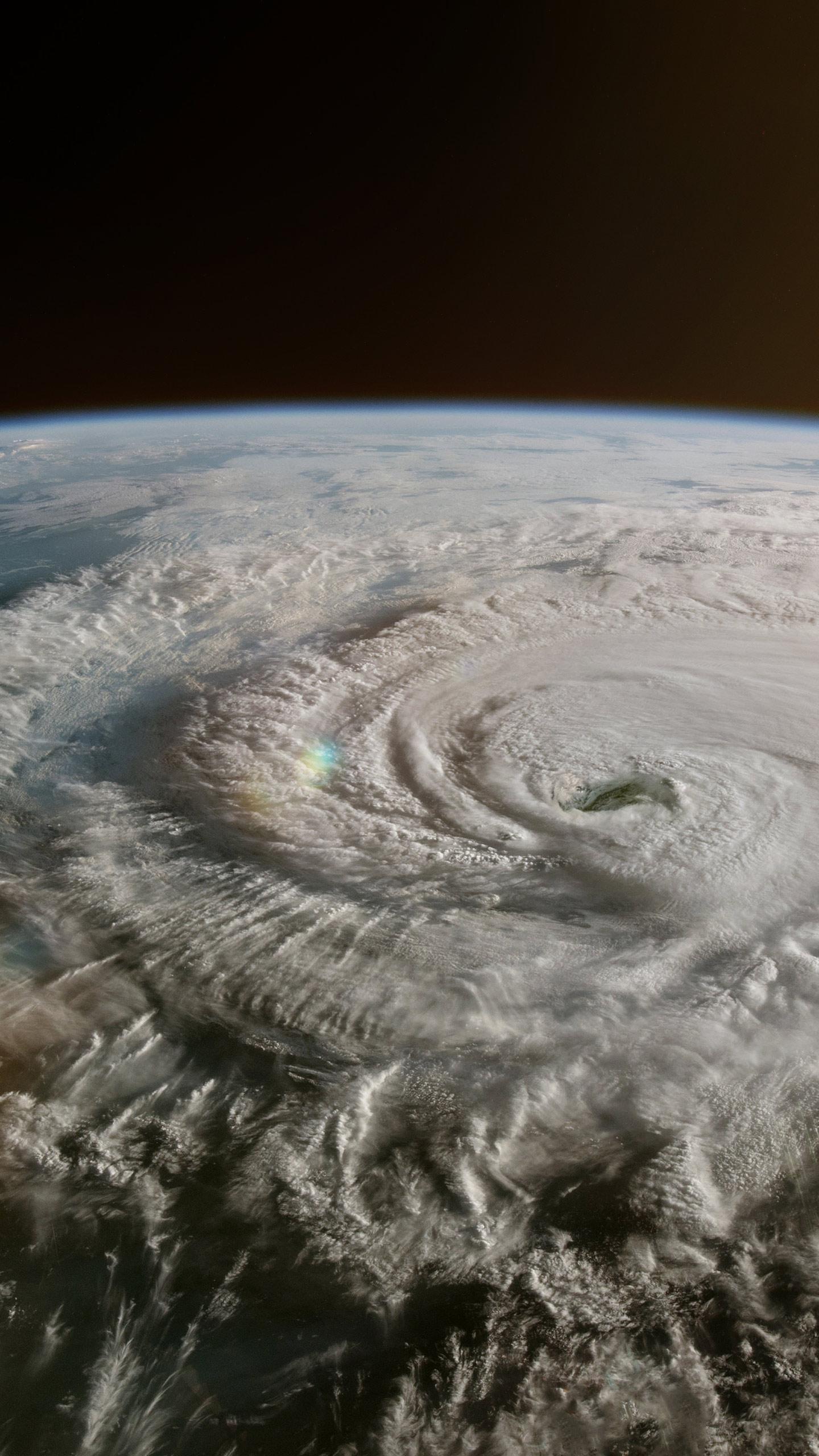
The U.S. is bracing for varied weather patterns due to an anticipated powerful El Niño in late 2026 and early 2027, which is expected to shift global weather patterns. In the U.S., El Niño typically leads
to wetter-than-normal conditions in the South, increased drought risk in the Northern Plains, and potentially severe storms along the Pacific Coast. These weather changes carry significant health risks beyond immediate hazards. Researchers in psychology, global health, and Earth system science emphasize the need for communities to integrate health considerations into early weather warnings and preparedness plans. Health consequences can include infections from floodwaters, poor air quality and malnutrition from drought, and mental health issues such as anxiety and post-traumatic stress from extreme weather events. Vulnerable populations, including those with existing illnesses or reliant on in-home medical equipment, face heightened risks.
Why It's Important?
The health implications of El Niño-driven weather events are substantial for U.S. communities. For instance, 2.5 million Americans depend on electricity-powered medical equipment at home, making power outages during storms life-threatening. Rural populations, often far from medical facilities, face compounded risks when infrastructure is disrupted. The World Health Organization recognizes mental health consequences from extreme weather, underscoring the need for counseling services in preparedness plans. Effective early warnings that provide actionable information can mitigate these risks, allowing healthcare systems and community organizations to prepare. This includes identifying vulnerable individuals, ensuring continuity of clinical care, and providing practical advice on accessing food, water, and mental health support. Proactive measures can empower communities and save lives by transforming forecasts into protective actions.
What's Next?
Communities and health systems in the U.S. need to enhance their preparedness strategies for the anticipated El Niño. This involves identifying areas and populations most at risk by combining regional weather outlooks with local health data. State health departments and social services can provide guidance on avoiding polluted floodwaters, ensuring access to clean water and food, and establishing evacuation routes. Community organizations should focus on reaching individuals with language barriers to ensure they receive critical alerts. Healthcare providers must coordinate to maintain continuity of care for patients, offering flexible scheduling, alternative transportation, or care locations. Furthermore, weather warnings should evolve beyond simply stating threats to include actionable information on where to find resources like shelter, medical care, and mental health support. This proactive approach, leveraging the advance notice provided by El Niño forecasts, is crucial for minimizing health impacts.
Beyond the Headlines
The impending El Niño highlights a critical gap in disaster preparedness: the integration of public health into weather warning systems. While weather forecasts are increasingly accurate, their utility is limited if they don't translate into actionable health-protective behaviors. This situation underscores the need for a holistic approach to disaster management that considers not only physical infrastructure but also the social determinants of health and mental well-being. The disproportionate impact on vulnerable populations, such as those with chronic illnesses or in remote areas, reveals systemic inequities that extreme weather exacerbates. Addressing these challenges requires interdisciplinary collaboration among meteorologists, public health officials, social workers, and community leaders to build truly resilient communities capable of withstanding and recovering from climate-related health crises.