


What's Happening?
A new study by the Barcelona Institute for Global Health (ISGlobal) has found a significant correlation between very strong El Niño episodes and temperature-related mortality worldwide. The research, which
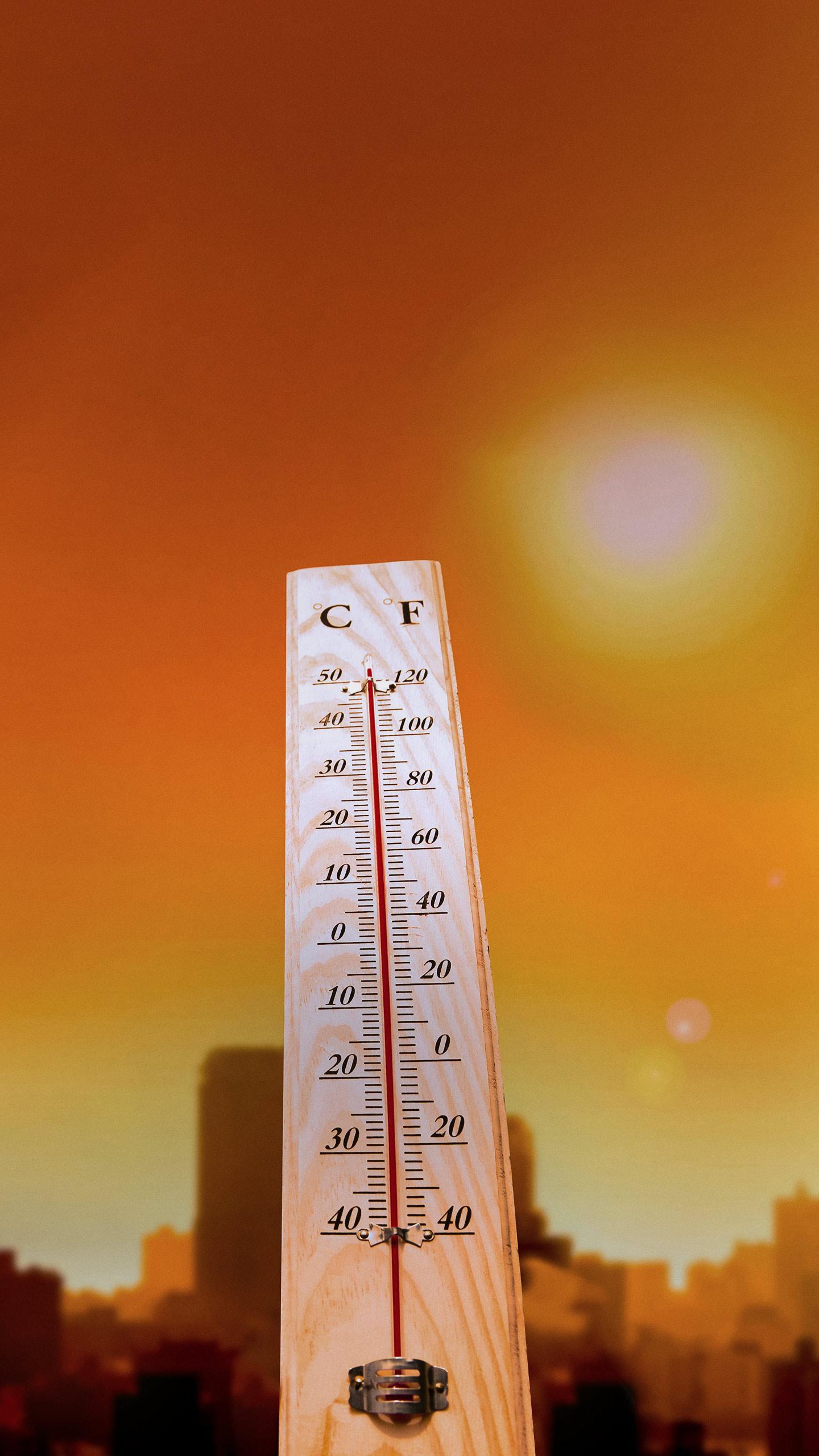
analyzed climate and mortality data from 1980–2023 across 1,667 regions in 125 countries, estimates that these intense El Niño events are associated with an additional 107,035 heat-related deaths and 112,681 fewer cold-related deaths annually compared to neutral conditions. While these figures appear to largely offset each other globally, the study emphasizes that El Niño is not beneficial for health. The health burden is disproportionately borne by lower-resource countries, particularly in tropical regions. South America, Small Island Developing States (SIDS), sub-Saharan Africa, and South and South-East Asia experienced the largest increases in annual heat-related mortality during strong El Niño years. Countries with low or medium Human Development Index (HDI) accounted for 67.65% of the estimated increase in heat-related deaths.
Why It's Important?
This study highlights the critical impact of climate phenomena like El Niño on global public health, particularly in vulnerable populations. The disproportionate increase in heat-related deaths in lower-resource countries underscores existing health inequalities and suggests that climate change could exacerbate these disparities. While the reduction in cold-related deaths might seem positive, the overall shift towards heat-related mortality presents significant challenges for healthcare systems, especially in regions less equipped to handle extreme heat. The findings provide crucial data for public health authorities to develop targeted preparedness plans and interventions. Understanding these patterns is vital for allocating resources effectively and implementing early warning systems to protect populations at greatest risk from temperature extremes and associated health complications.
What's Next?
The findings from this study can inform coordinated action plans involving health authorities globally. Researchers suggest that region-specific warnings and targeted interventions for at-risk populations could be developed based on these insights. As the world experiences increasingly warm climates, future El Niño episodes are likely to intensify these health inequalities, necessitating proactive measures. The study's identification of the most affected regions and seasons provides a roadmap for where health preparedness efforts would be most valuable. This includes strengthening healthcare infrastructure, improving access to cooling centers, and educating communities on heat-related illness prevention, especially in tropical areas and countries with lower HDI.
Beyond the Headlines
Beyond the immediate mortality figures, the study points to broader implications of El Niño, including its effects on extreme weather events such as floods and droughts, which further compound health risks. The research underscores the interconnectedness of climate, environment, and public health, emphasizing that climate phenomena have far-reaching consequences beyond temperature anomalies. The ethical dimension of climate change is also highlighted, as the most vulnerable populations, often those least responsible for climate change, bear the brunt of its health impacts. This calls for greater international cooperation and equitable resource distribution to build climate resilience in healthcare systems worldwide, ensuring that all communities are better prepared for the health challenges posed by a changing climate.