
What's Happening?
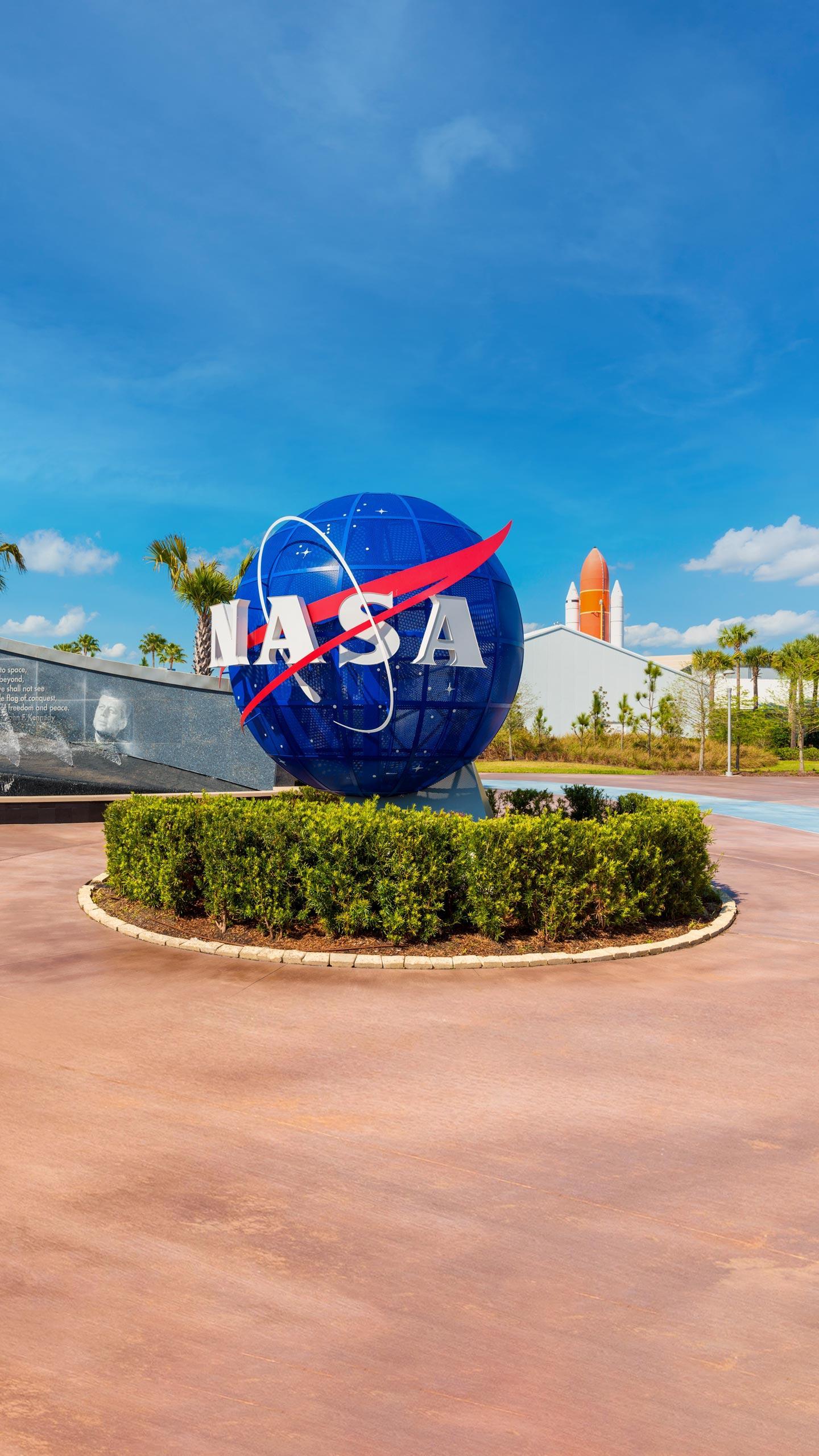
NASA recently hosted its inaugural MAX POWER aerospace expo and air show at the Kennedy Space Center in Florida, celebrating the past, present, and future of flight and space exploration in honor of America's
250th anniversary. The multi-day event, held in early November, attracted thousands and featured various activities including flyovers, technology demonstrations, and displays of spaceflight hardware. NASA Administrator Jared Isaacman performed a skydive into the expo. A significant highlight was the visit by President Trump on November 6, 2026, who attended the UP.Summit at the MAX POWER event. The expo also included appearances by astronauts, talks from NASA experts, and an airshow headlined by the U.S. Air Force Thunderbirds, showcasing NASA research aircraft. Key announcements made during the event included the opening of astronaut applications, a student Moon Base challenge, and advancements in lunar exploration plans, such as the development of the PROMISE nuclear-powered lunar rover and the unveiling of the X-70 Fractal experimental aircraft.
Why It's Important?
This inaugural MAX POWER expo signifies a major public outreach effort by NASA, aiming to engage the public and inspire future generations in aerospace and space exploration. The presence of President Trump underscores the national importance and high-level government support for NASA's initiatives, particularly in the context of America's 250th anniversary and the Artemis program's goal of returning astronauts to the Moon. The event's focus on astronaut recruitment and a student Moon Base challenge highlights NASA's commitment to developing future talent and fostering innovation in space technology. Furthermore, the announcements regarding lunar exploration and new experimental aircraft like the X-70 Fractal demonstrate ongoing advancements in U.S. aerospace capabilities, potentially impacting scientific research, technological development, and national prestige in the global space race. The public-private partnerships involved also indicate a collaborative approach to advancing U.S. leadership in space.
What's Next?
Following the success of the inaugural MAX POWER expo, NASA and its partners have announced CAPEWEEK: The Great American Aerospace and Technology Expo at Kennedy, an annual event set to debut from March 27 to April 2, 2028, at Kennedy's Shuttle Landing Facility. This new annual expo is expected to grow significantly, potentially attracting up to 500,000 people. NASA will continue to advance its lunar exploration plans, including the development of the PROMISE nuclear-powered lunar rover and the X-70 Fractal experimental aircraft. The agency is also actively recruiting new astronaut candidates through December 3, and students are invited to participate in a $1 million competition to design innovative solutions for a Moon Base. The Artemis III crew members are scheduled for a test flight in low Earth orbit in 2027, laying the groundwork for landing astronauts on the Moon in 2028. These initiatives indicate a sustained focus on space exploration and public engagement.
Beyond the Headlines
The MAX POWER expo and the planned CAPEWEEK represent a strategic shift towards making NASA's missions more accessible and engaging for the general public, moving beyond traditional scientific conferences to large-scale public festivals. This approach could significantly influence public perception of space exploration, fostering a renewed sense of national pride and interest in STEM fields. The emphasis on student challenges and astronaut recruitment also points to a long-term investment in human capital, ensuring a pipeline of talent for future space endeavors. Ethically, the development of a nuclear-powered lunar rover like PROMISE raises questions about the responsible use of nuclear technology in space, while the X-70 Fractal's potential to revolutionize crewed flight could lead to significant advancements in aviation safety and efficiency. The event also highlights the increasing collaboration between government agencies, private industry, and educational institutions in driving innovation and achieving ambitious goals in space.