

What's Happening?
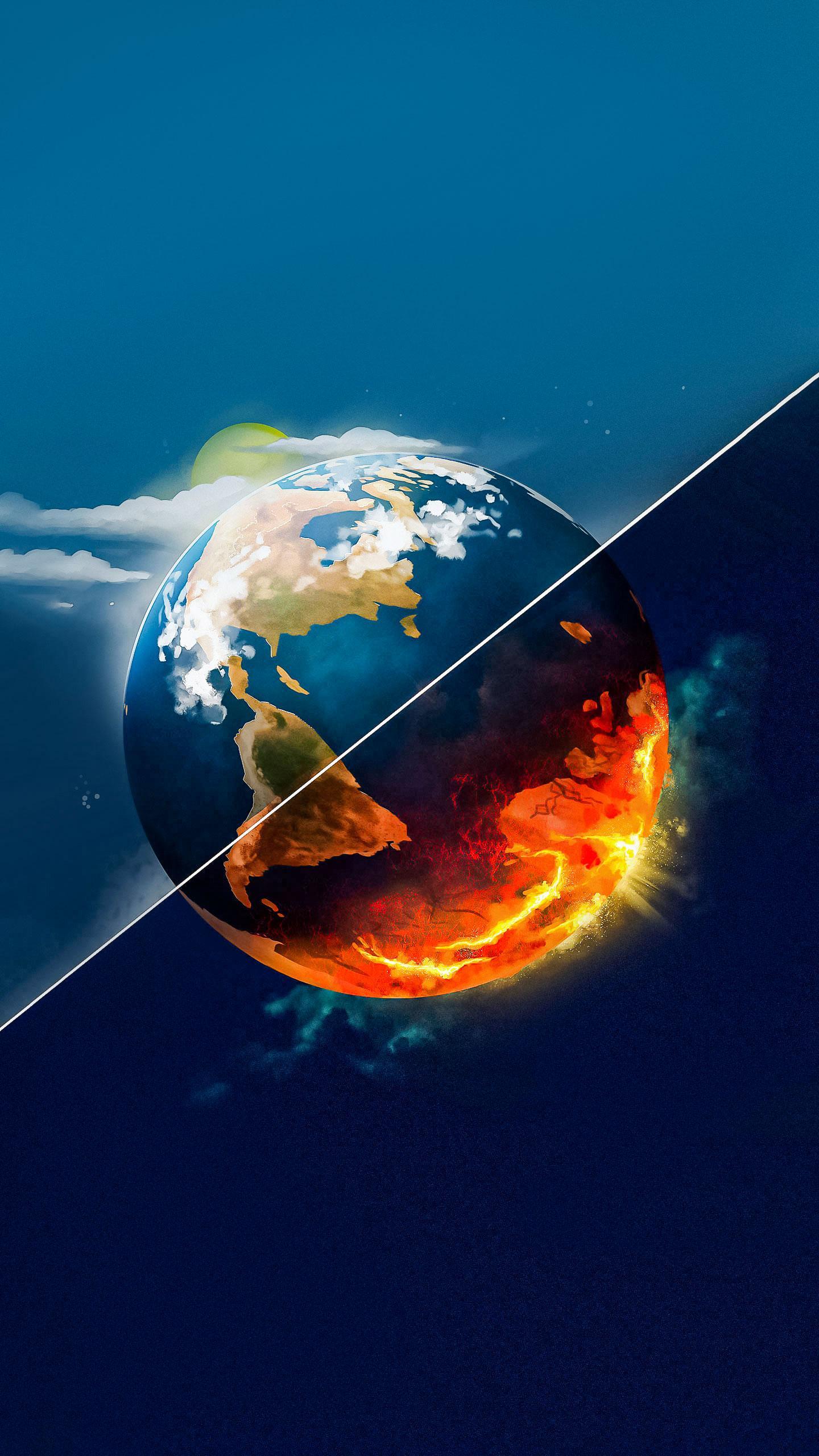
Public health researchers and professionals are urgently calling for the World Health Organization (WHO) to declare the health impacts of climate change a Public Health Emergency of International Concern
(PHEIC). This appeal comes as the world faces an unprecedented El Niño season, with a recent report forecasting 451,000 additional heat-related deaths from June 2026 to February 2027, a figure comparable to COVID-19 fatalities in the first six months of the pandemic. Extreme climate events, including heatwaves, floods, and wildfires, have already caused significant loss of life and displacement globally, with over 50,000 heat-related deaths reported in European cities last summer, over 65% directly attributable to climate change. The WHO's International Health Regulations provide a mechanism for such a declaration, which would galvanize political will, mobilize financing, and provide evidence-based recommendations for an urgent public health response.
Why It's Important?
A declaration by the WHO of climate change as a Public Health Emergency of International Concern would have profound implications for the U.S. and global health policy. It would elevate climate change to a top-tier health threat, potentially unlocking significant international funding and coordinated efforts to address its health impacts. For the U.S., this could mean increased pressure to invest in climate-resilient healthcare systems, public health infrastructure, and early warning systems for extreme weather events. It would also highlight the disproportionate impact on vulnerable populations within the U.S., such as the elderly, children, and those with chronic illnesses, necessitating targeted interventions. Such a declaration could also influence U.S. foreign policy, encouraging greater engagement in international climate and health initiatives.
What's Next?
The call for a PHEIC declaration requires countries to trigger the International Health Regulations process, leading to an expert committee assessment of the risks and recommendations for response. If declared, it would enable an equitable response rooted in public health principles, focusing on care for the most affected, large-scale prevention, and surveillance of impacts. This would facilitate international collaboration, catalyze finance, and ensure central coordination and support from the WHO. The ongoing El Niño event and its projected health consequences are expected to intensify the urgency of this call, pushing for a rapid assessment and potential declaration to mitigate further loss of life and health impacts globally.
Beyond the Headlines
Declaring climate change a PHEIC would represent a significant paradigm shift, moving it from primarily an environmental issue to a central public health crisis. This re-framing could fundamentally alter how governments, healthcare systems, and civil society perceive and respond to climate change. It would underscore the ethical imperative to protect human health and well-being, particularly for the most vulnerable populations who contribute least to climate change but suffer its most severe consequences. The long-term implications include a potential re-allocation of resources towards climate-health initiatives, the integration of climate considerations into all aspects of public health planning, and a stronger legal and moral framework for holding nations accountable for their climate actions and their impact on global health.