


What's Happening?
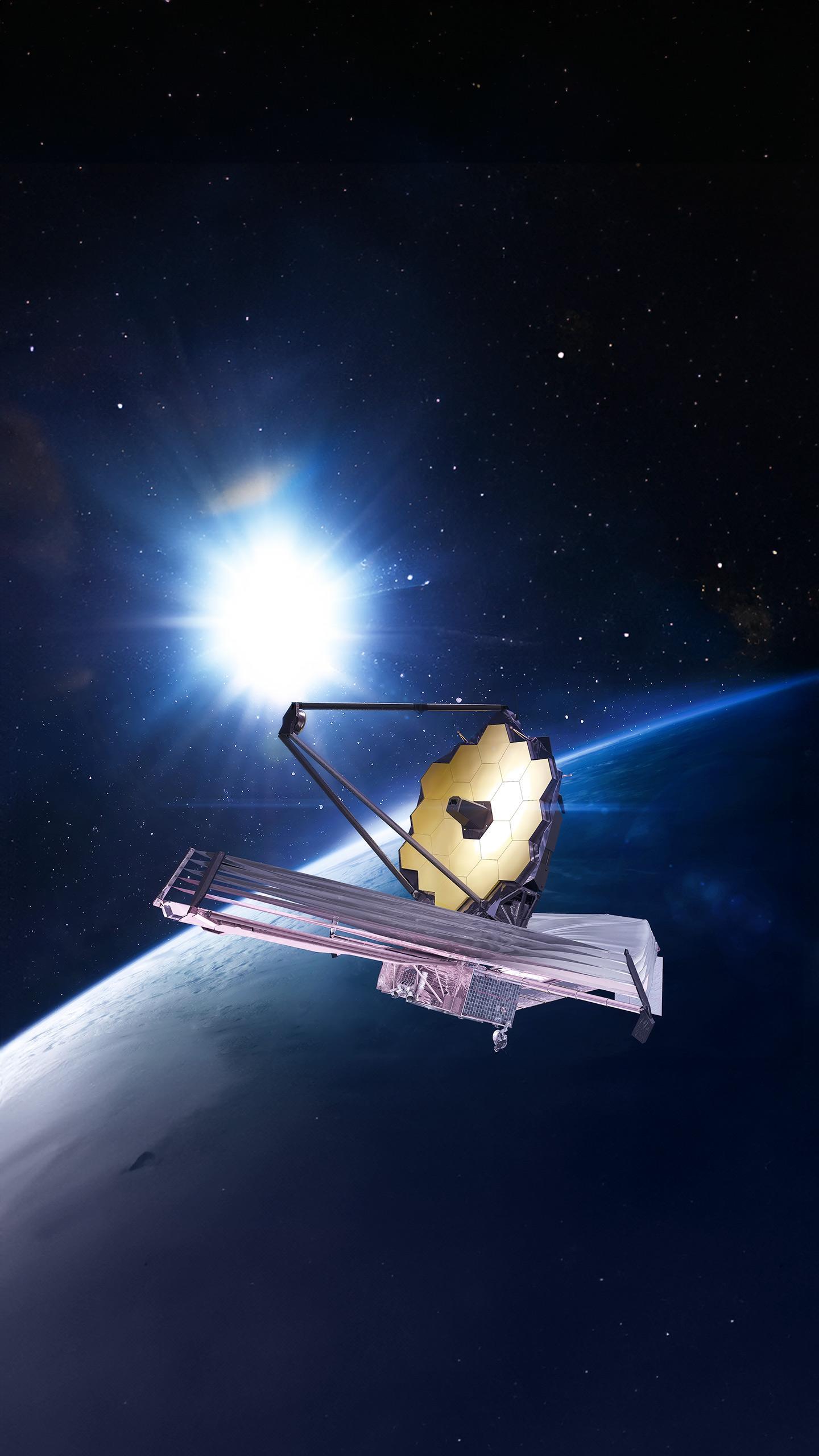
The Space Telescope Science Institute (STScI) in Baltimore is hosting a three-day 'Webb Rocky Worlds Workshop' from November 16 to 18. The workshop aims to evaluate the consistency of independent analysis
pipelines used to interpret faint 15-micron signals from the James Webb Space Telescope's (JWST) Rocky Worlds program. This program assesses whether rocky planets orbiting red dwarf stars possess atmospheres. A key concern driving this workshop is the significant variability observed in results based on different analysis choices. For instance, in the case of the Earth-sized planet GJ 3929 b, a polynomial detrending method shifted the measured eclipse depth by 90 parts per million (ppm) when the photometry aperture was widened, a change four times greater than the 22 ppm uncertainty. This highlights how a single analytical decision can drastically alter conclusions about a planet's atmospheric presence. The workshop will also unveil the data-generating process for simulated LHS 1140 b eclipses, allowing teams to directly compare their analytical approaches against a known answer.
Why It's Important?
The reliability of exoplanet atmosphere verdicts hinges on the consistency and accuracy of data analysis pipelines. Discrepancies of 90 ppm in eclipse depth measurements, as seen with GJ 3929 b, can fundamentally change scientific conclusions about whether a planet has an atmosphere or is a 'bare rock.' This directly impacts the understanding of planetary habitability and the 'cosmic shoreline'—the boundary between planets that retain atmospheres and those that do not. If different analytical methods yield significantly different results from the same raw data, it introduces uncertainty into the entire field of exoplanet characterization. The workshop's efforts to establish benchmarks and foster agreement among analysis pipelines are crucial for ensuring that scientific findings about exoplanet atmospheres are robust and widely accepted, thereby advancing the search for life beyond Earth.
What's Next?
The Webb Rocky Worlds Workshop is expected to culminate in a better understanding of the strengths and weaknesses of various data analysis pipelines. By comparing results from real and simulated data, participants will identify which methods are most reliable for detecting and characterizing exoplanet atmospheres. This could lead to the adoption of standardized best practices or the development of more robust analytical tools. The insights gained will directly influence future interpretations of JWST data, particularly for the ongoing Rocky Worlds program. The STScI also aims to foster open collaboration and reduce duplicated efforts across the field, potentially leading to community papers and shared methodologies that enhance the efficiency and accuracy of exoplanet research.
Beyond the Headlines
The challenges highlighted by the Webb Rocky Worlds Workshop underscore a broader issue in data-intensive scientific fields: the impact of analytical choices on scientific conclusions. Beyond exoplanet research, this concern resonates in areas like climate modeling, particle physics, and genomics, where subtle methodological differences can lead to divergent interpretations of complex datasets. The workshop's focus on inter-pipeline agreement and benchmarking sets a precedent for ensuring scientific rigor and reproducibility. It emphasizes that the journey from raw observational data to definitive scientific statements is not straightforward and requires continuous validation and consensus-building within the scientific community. This collaborative approach is vital for maintaining public trust in scientific findings and for making accurate, impactful discoveries about our universe.