



What's Happening?
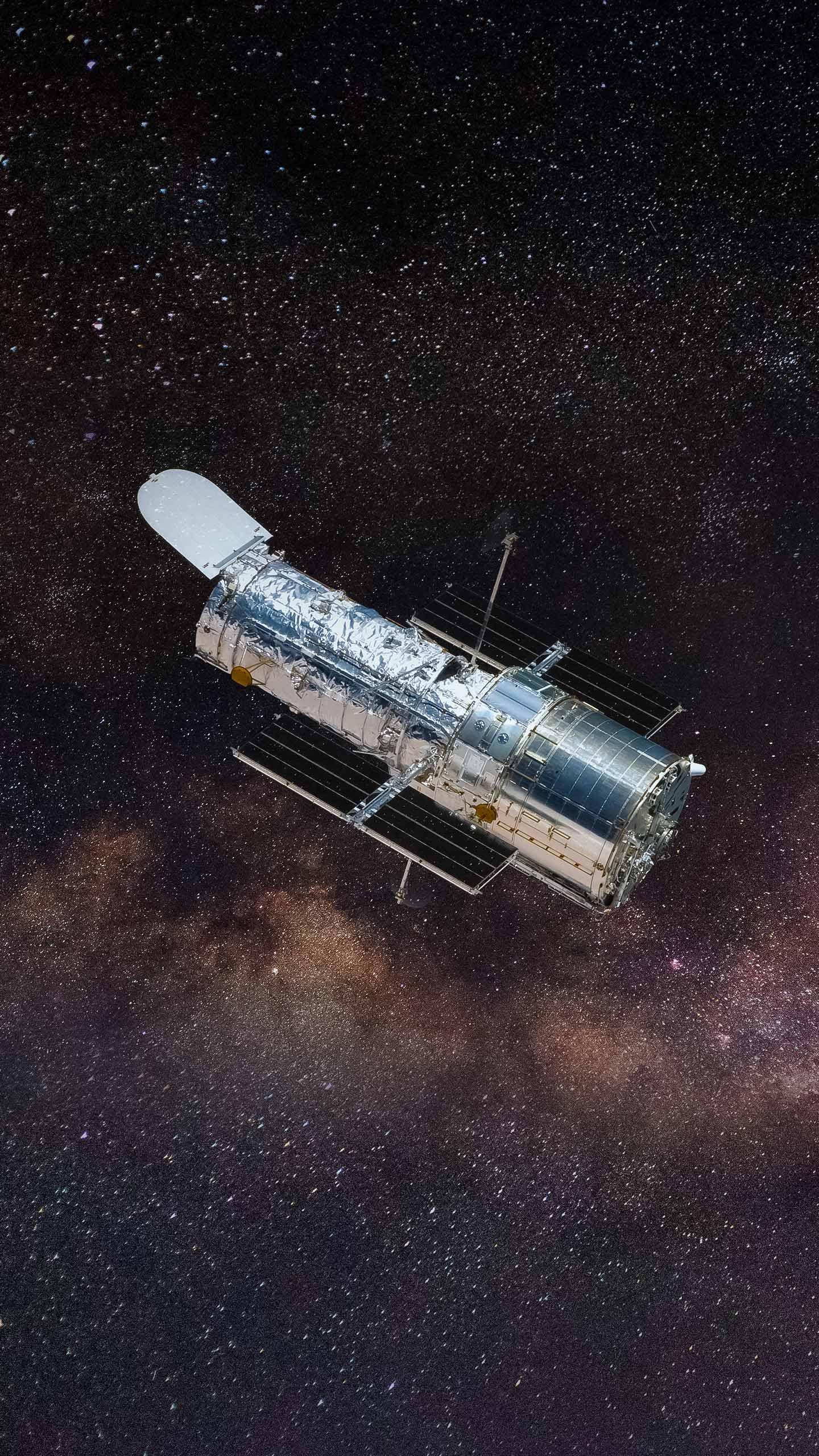
The Hubble Space Telescope has captured a detailed image of Messier 30 (M30), a globular star cluster located approximately 27,500 light-years from Earth in the constellation Capricornus. This cluster,
a dense collection of tens of thousands to millions of stars held together by gravity, contains stars nearly as old as the universe itself, estimated to be between 11.5 billion and 13.5 billion years old. The universe is approximately 13.8 billion years old. M30 is one of at least 150 such ancient stellar gatherings within our Milky Way galaxy. The image, released by ESA on November 5, showcases a dazzling display of blue, gold, and orange stars, providing astronomers with a cosmic time capsule to study the early conditions of the universe.
Why It's Important?
The study of globular clusters like M30 is crucial for understanding the early history and formation of the Milky Way galaxy. These ancient stars preserve chemical clues about the conditions present during their formation, allowing astronomers to piece together the galaxy's evolutionary timeline. The unusual motion of M30, traversing the Milky Way in the opposite direction to the galaxy's rotation, suggests it may not have originated within our galaxy but was captured billions of years ago. This insight challenges existing models of galactic formation and accretion, potentially leading to a revised understanding of how galaxies grow and interact over cosmic timescales. The data from M30 offers a unique opportunity to test and refine theories about the universe's infancy and the dynamics of stellar populations.
Beyond the Headlines
The existence of globular clusters with stars almost as old as the universe itself provides direct observational evidence supporting the Big Bang theory and the age of the cosmos. The 'cosmic time capsule' aspect of M30 allows scientists to look back in time, studying the elemental composition of these stars to infer the conditions of the early universe before heavier elements were widely synthesized. The possibility that M30 was captured by the Milky Way highlights the dynamic and often violent processes involved in galactic evolution, where smaller stellar systems can be absorbed by larger ones. This ongoing research contributes to humanity's fundamental understanding of its place in the universe and the grand narrative of cosmic development.