








A Presidential Culinary Surprise
In a notable moment of culinary diplomacy, India's President Droupadi Murmu hosted a state banquet for the President of Seychelles, Patrick Herminie. The
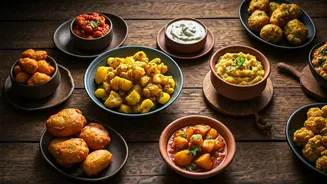
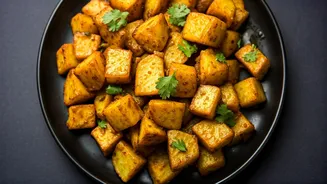
menu, designed to showcase India's diverse coastal cuisines, included a dish that, by its very nature, stood out for its unassuming charm: Batata Nu Shaak. This traditional Gujarati preparation of potatoes, often considered everyday comfort food, was a quiet yet powerful statement on the banquet table. Unlike heavily gravied or elaborately presented dishes, Batata Nu Shaak represents the essence of home-style cooking, proving that simplicity can hold a place of honor even in the most formal settings. Its inclusion demonstrated a broader appreciation for India's vast culinary landscape, extending beyond regional specialties to embrace the universally comforting flavors found in households across the nation. This humble dish, prepared with minimal fuss and maximum flavor, earned its spot amongst more complex gastronomic offerings, telling a story of India's deep-rooted food traditions.
Decoding Batata Nu Shaak
The name 'Batata Nu Shaak' itself offers a direct insight into its identity: 'Batata' translates to potatoes in Gujarati, while 'Shaak' signifies a cooked vegetable preparation. At its core, this dish is a testament to the transformative power of simple ingredients and skillful tempering. It begins with boiled potatoes, typically cubed, that are then gently tossed in a fragrant blend of spices. The tempering, or 'tadka,' is where the magic truly happens. It involves heating oil and adding mustard seeds that crackle to release their nutty aroma, followed by sesame seeds, fragrant curry leaves, and a pinch of asafoetida (hing) for its distinctive savory note. Turmeric powder lends a vibrant yellow hue and earthy undertones, while a paste of ginger and green chilies introduces a subtle warmth. A final touch of lemon juice provides a bright tanginess, and fresh coriander leaves add a burst of freshness. The resulting flavor profile is delicately spiced, subtly tangy, and occasionally carries a whisper of sweetness, characteristic of Gujarati cuisine. The flavors are harmonious and layered, creating a dish that is comforting without being heavy and satisfying without being overwhelming.
Homegrown Comfort, Global Stage
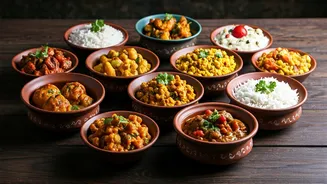
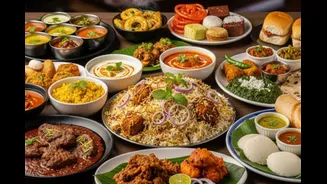
Batata Nu Shaak is more than just a dish; it's a cornerstone of everyday Gujarati cuisine, evoking feelings of warmth and familiarity. It is a staple found on dining tables during regular family meals, often served alongside staples like 'rotli' (a Gujarati flatbread), lentil preparations ('dal'), and steamed rice. Its versatility extends to festive occasions, where it might appear as part of a celebratory 'thali,' and it's even a popular choice for packed lunches ('tiffins') for work or travel. The inclusion of Batata Nu Shaak at the state banquet held significant symbolic weight. Rashtrapati Bhavan's banquets are renowned for showcasing the breadth of India's culinary heritage, drawing inspiration from various coastal regions. While other dishes on the menu might have represented more elaborate regional specialties from Maharashtra, Karnataka, and Tamil Nadu, Batata Nu Shaak distinctly represented the ethos of Gujarat's home-style cooking. It served as a powerful reminder that India's gastronomic identity is as much about the humble, everyday meals prepared with love in households across the country as it is about sophisticated, restaurant-style fare.
Effortless Preparation, Exquisite Taste
The beauty of Batata Nu Shaak, and a key reason for its widespread appeal, lies in its straightforward preparation and the incredible depth of flavor it achieves with minimal effort. To recreate this delightful dish, you begin by heating about three tablespoons of oil in a pan. Once shimmering, add one teaspoon of mustard seeds and wait for them to splutter, signifying they've reached the optimal temperature. Next, introduce one teaspoon of sesame seeds, a few fresh curry leaves for their distinctive aroma, and a pinch of asafoetida for that signature pungent note. Stir in half a teaspoon of turmeric powder for color and an earthy foundation, followed by one teaspoon of ginger-green chili paste to impart a gentle kick. Add two cups of pre-boiled and cubed potatoes and salt to taste, mixing them gently to avoid breaking the potato pieces. Allow this mixture to cook for about two to three minutes, ensuring the spices evenly coat every potato cube. The dish is completed with a tablespoon of fresh lemon juice for brightness and two tablespoons of chopped fresh coriander for a final flourish of freshness. This entire process, from heating the oil to serving, is remarkably quick, making it an ideal choice for busy weeknights or when you desire a flavorful yet simple addition to your meal. The balance achieved through the crackling spices, earthy turmeric, fresh ginger-chili heat, and bright lemon creates a symphony of tastes that is both comforting and invigorating, embodying the gentle yet sophisticated philosophy of Gujarati cooking.