






Nourishing Vrat Foods
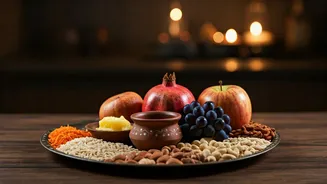
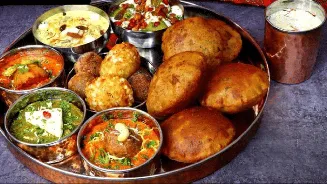
During Chaitra Navratri, the focus is on sattvic, easily digestible foods that support spiritual practices. Allowed grains include kuttu ka atta (buckwheat
flour), singhara atta (water chestnut flour), rajgira (amaranth), and sama ke chawal (barnyard millet), which can be used to prepare rotis, puris, or light meals. Fruits like bananas, apples, papayas, and pomegranates are excellent for maintaining energy levels throughout the day. Dry fruits such as almonds, cashews, and raisins are also permitted. Dairy products are a staple, with milk, curd, buttermilk, paneer, and ghee being widely used and considered pure. These ingredients form the foundation of meals during the fasting period, ensuring that devotees remain nourished without compromising the sanctity of the vrat. The emphasis is on simplicity and purity, aligning the diet with the devotional spirit of the festival. Hydration is also key, with coconut water being a refreshing and permitted option. The meals should be prepared without regular spices or excessive oil, prioritizing a light and wholesome approach to eating during this auspicious time.
Permissible Vegetables & Spices
Certain vegetables and specific spices are integral to the Navratri fasting diet, contributing to both flavor and adherence to vrat rules. Allowed vegetables include potatoes, sweet potatoes, pumpkin, bottle gourd (lauki), and cucumber, all of which are typically prepared in simple, non-spicy ways. These ingredients are versatile and can be incorporated into various vrat-friendly dishes. When it comes to spices, the use of sendha namak (rock salt) is paramount, replacing regular table salt entirely. Black pepper and jeera (cumin) are also commonly used to add taste. Green chilies can be included in small quantities to provide a bit of heat. The avoidance of regular salt is a strict rule, underscoring the importance of using sendha namak. These carefully selected ingredients ensure that the fasting meals are both flavorful and compliant with the spiritual requirements of Chaitra Navratri. The preparations should remain light and easy to digest, complementing the overall objective of maintaining purity and discipline during the observance. This thoughtful selection of vegetables and spices helps in creating satisfying yet vrat-appropriate meals.
Foods to Strictly Avoid
To maintain the purity and discipline associated with Chaitra Navratri fasting, several food categories are strictly prohibited. Regular grains like wheat, rice, and maida, along with products made from them such as bread and biscuits, are to be avoided. Similarly, all types of pulses and lentils, including dal, chana, and rajma, are disallowed. Certain vegetables are also on the restricted list, notably onion and garlic, as they are considered tamasic or heavy foods. Eggplant (brinjal) and mushrooms are also to be excluded from the diet during this period. The use of regular table salt is forbidden; only sendha namak is permitted. Beyond these, non-vegetarian food items such as meat, fish, and eggs are completely off-limits. Additionally, alcohol and tobacco in any form are strictly prohibited. Processed foods, packaged snacks, excessive refined sugar sweets, and large quantities of deep-fried items should also be avoided to uphold the sanctity of the vrat. Adhering to these dietary restrictions is as important as the fasting itself.
Beyond Food: Habits to Shun
Chaitra Navratri fasting extends beyond dietary restrictions to encompass mental and behavioral discipline. It is crucial to avoid negative habits that can disrupt inner peace and spiritual focus. This includes refraining from anger, engaging in arguments, and using harsh speech. Maintaining a calm and respectful demeanor is key throughout the nine days. Furthermore, overeating or breaking the established fasting discipline are also to be avoided. The observance is as much about cultivating self-control and mindfulness as it is about the food consumed. Practicing simplicity, staying hydrated, eating light meals, and dedicating time to prayer and quiet reflection are encouraged. Waking up early, taking a bath, and performing daily puja are integral parts of the routine. By focusing on both physical and mental purity, devotees can create a more profound connection with the divine. This holistic approach to fasting ensures a balanced and spiritually enriching experience during Chaitra Navratri.