





The Golden Ratio
Achieving ideal rice texture hinges on the precise water-to-rice ratio, a fundamental principle often overlooked. For basmati or long-grain white rice,
aim for 1.5 cups of water per 1 cup of rice. Jasmine rice requires a slightly lower proportion, with 1.25 cups of water for every cup of rice. Short-grain varieties also typically use 1.25 to 1.5 cups of water per cup of rice. Brown rice, due to its husk, needs a more generous amount of liquid, usually between 2 and 2.25 cups of water for every cup of rice. Crucially, always employ the same measuring cup for both your rice and water to ensure unwavering accuracy. This consistent measurement is the bedrock of reliable rice cooking, preventing deviations that can lead to less-than-ideal results and ensuring your efforts are rewarded with consistently delicious outcomes.
Prep and Pot Perfection
Before the heat is applied, a few crucial preparation steps significantly impact the final texture. Begin by placing your rice in a bowl or fine-mesh strainer and rinsing it thoroughly under cold running water. This process removes excess starch, a primary culprit behind gummy rice. For varieties like basmati, an additional step of soaking the rinsed grains for approximately 20 minutes can further enhance their length and contribute to a more ethereal fluffiness after cooking. Selecting the right cooking vessel is also paramount; a pot with a heavy bottom is highly recommended. This design ensures even heat distribution across the base, effectively minimizing the risk of hot spots that can cause sections of rice to scorch or burn while other parts remain undercooked. This mindful preparation sets the stage for success.
Simmering to Success
With your rice prepped and in the right pot, it's time for the cooking process itself. Add the precisely measured water and rice to your heavy-bottomed pot. If you desire, a small pinch of salt can be added at this stage to enhance the overall flavor profile. Bring this mixture to a gentle boil over medium heat, watching for the initial signs of bubbling. Once a soft boil is achieved, immediately reduce the heat to the lowest setting. Cover the pot tightly with a lid that creates a good seal, trapping steam inside. Allow the rice to simmer gently. For white rice varieties, this typically takes around 10-15 minutes. Brown rice, being denser, requires a longer simmering time, usually between 30 and 40 minutes. Patience during this stage is key to allowing the grains to absorb moisture and cook through evenly without becoming mushy or retaining too much water.
The Crucial Rest
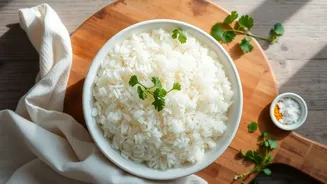
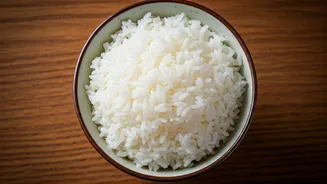
Once the simmering time is complete, resist the urge to immediately uncover and stir. The cooking process isn't quite finished; the crucial resting period is a vital step often underestimated. Turn off the heat source entirely, but keep the pot covered with its tight-fitting lid. Allow the rice to rest undisturbed for at least 10 minutes. During this time, the residual steam continues to gently cook any remaining slightly underdone grains and allows the moisture to redistribute evenly throughout the pot. This resting phase is essential for achieving that sought-after fluffy, separated texture. After the rest, use a fork—never a spoon—to gently fluff the rice. The tines of the fork will lift and separate the grains without breaking them or pressing them down, ensuring each grain remains distinct and light.
Elevating Your Rice
Beyond the fundamental cooking steps, several simple yet effective techniques can elevate your rice from a basic side dish to a flavorful component of your meal. For an added touch of richness and a delightfully soft texture, consider stirring in a small dollop of ghee or butter just before serving. If you're aiming for an aromatic experience, infuse your cooking water with fragrant spices like a few cardamom pods, a bay leaf, or a small cinnamon stick during the simmering phase; remember to remove them before fluffing. For an even more profound depth of flavor, substitute plain water with a good quality broth, whether vegetable, chicken, or beef, depending on your meal's profile. When storing leftovers, spread the cooked rice in a thin layer on a plate or tray to cool quickly before refrigerating; this prevents clumping. To reheat, sprinkle a little water over the rice and cover it again to help restore its moisture and original fluffy consistency.