



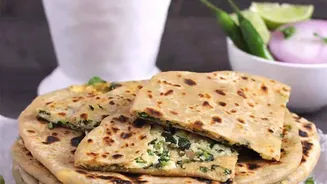

Paratha's Role in Weight Management
Parathas, a beloved staple in Indian households, often carry a misconception of being entirely unhealthy. However, this versatile flatbread, crafted from
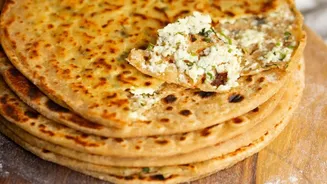
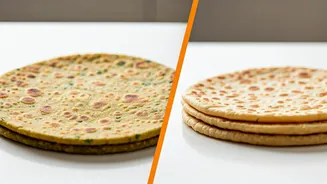
whole wheat flour and a variety of fillings, can actually be a powerful ally in weight management when prepared thoughtfully. The key lies in understanding the nutritional profiles of different fillings and adopting smart cooking techniques. Rather than being a forbidden food, parathas, when consumed with moderation and awareness, can contribute to satiety, ease digestion, and provide essential nutrients, supporting efforts for both weight gain and loss. The common morning debate often centers on whether Gobhi (cauliflower) or Paneer (Indian cottage cheese) paratha reigns supreme for those aiming to shed pounds. The answer isn't a simple calorie count but a deeper dive into macronutrients, digestibility, and individual body responses, all of which influence how effectively a meal supports your fitness goals.
Gobhi Paratha: The Lighter Choice
Gobhi paratha emerges as a lighter option, typically hovering around 180-220 calories per serving. Its primary advantage lies in its substantial fiber content, which is crucial for promoting healthy digestion and alleviating bloating. The high water content in cauliflower also contributes to a feeling of fullness, helping to curb appetite without adding excess calories. This makes it an excellent choice for those seeking a less dense meal. However, a notable drawback is its comparatively lower protein content. This deficiency means that while you might feel initially satisfied, hunger could return sooner than with a protein-rich alternative. Therefore, gobhi paratha is often recommended for lighter meals, serving as a great source of sustained energy without making you feel overly heavy, making it suitable for early dinners or as a pre-workout meal when a carb-light yet filling option is desired.
Paneer Paratha: The Protein Powerhouse
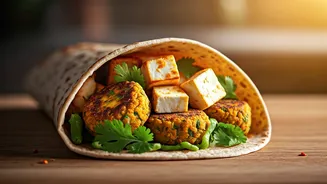
In contrast, paneer paratha, while slightly higher in calories, ranging from 250-300 per serving, offers a significant nutritional advantage in the form of protein and healthy fats. This protein-rich filling is instrumental in fostering a prolonged sense of satiety, effectively managing cravings and preventing overeating. Furthermore, the protein content plays a vital role in muscle maintenance, which is particularly beneficial for individuals engaged in regular physical activity like strength training or brisk walking. The robust nature of paneer paratha helps maintain stable energy levels throughout the day, preventing the dreaded sugar crashes associated with less balanced meals. Its capacity to keep you feeling full for extended periods makes it an ideal choice for busy mornings or when you need a substantial meal that curbs the urge for mid-day snacking.
Strategic Consumption Times
The optimal time to consume either paratha is a critical factor in maximizing their weight loss benefits. For gobhi paratha, its light and fibrous nature makes it ideal for breakfast to kick-start your digestive system and energy levels, or before workouts when a carb-light but filling meal is preferred. It's also a good option for early dinners when you desire something satisfying yet not heavy. However, it's generally advised to avoid consuming it late at night, as the high fiber content might disrupt digestion for sensitive individuals close to bedtime. Paneer paratha, with its protein punch, is excellent for breakfast on demanding days requiring sustained fuel. It also serves as a fantastic post-workout recovery meal, aiding muscle repair, and is a solid choice for lunch to ensure you remain full and focused throughout the afternoon. Consuming high-protein and high-fat meals like paneer paratha late at night is discouraged due to the longer digestion time required, which can impact sleep quality.
Crafting Weight-Loss Friendly Parathas
To truly harness the weight loss potential of parathas, mindful preparation is paramount. Always opt for whole wheat flour (atta) over refined flour (maida) to boost fiber intake. If using paneer, preparing it at home allows for control over sodium content. When cooking, use a minimal amount of oil, about 1-2 teaspoons, rather than generous drizzles or ghee-laden layers. Skipping butter on top is another simple way to cut down on extra calories. To enhance their nutritional value and make them even more filling, consider incorporating additional grated vegetables like carrots, spinach, or fenugreek leaves (methi) into the stuffing. Pairing your paratha with low-fat curd, a fresh mint-coriander chutney, or a side of fresh salad complements the meal and aids digestion. By following these smart tips, parathas can transform from potentially calorie-laden treats into effective components of a balanced, calorie-controlled weight loss meal plan.