







A Global Chickpea Connection
While continents apart, the humble chickpea, known as 'chole' in India and 'revithada' in Greece, shares a surprisingly similar culinary destiny. The Greek
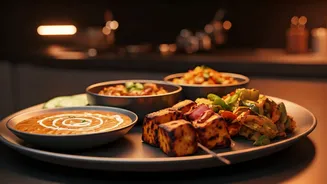
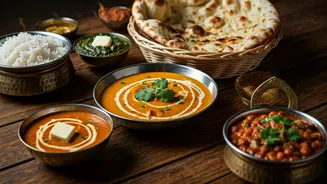
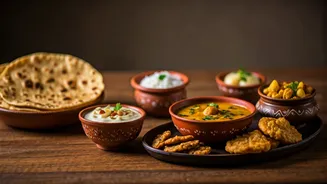
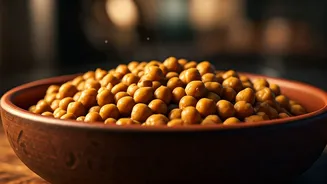
Revithada, a slow-cooked stew hailing from the Cycladic island of Sifnos, offers a rustic, olive oil-rich experience that might feel familiar to those acquainted with Indian curried chickpeas. Despite the different seasoning palettes – one embracing warm Indian spices and the other featuring Mediterranean herbs like rosemary and thyme – the fundamental method of simmering these protein-rich legumes until tender, often served with bread, creates an undeniable kinship. This shared approach highlights how diverse cultures can transform the same core ingredient into deeply satisfying dishes, often with subtle yet significant textural and aromatic variations that speak to their regional origins. The resemblance extends beyond mere ingredient use, touching upon the communal enjoyment and the comforting nature of these hearty stews.
Crafting Authentic Revithada
Creating authentic Revithada involves a patient, slow-cooking process, traditionally performed overnight in a clay pot to imbue a unique earthy flavor. The preparation begins by soaking chickpeas overnight, a crucial step for achieving the desired tenderness. In an ovenproof pot, onions are gently sautéed in extra virgin olive oil until softened, with a touch of balsamic vinegar added to enhance sweetness and tang. Aromatic herbs such as rosemary, thyme, sage, and bay leaves are then introduced, releasing their fragrant oils as they cook briefly. The drained chickpeas are combined with Dijon mustard, orange zest and juice, and a generous amount of olive oil. Enough boiling water is added to cover the chickpeas, and the mixture is seasoned liberally with salt and pepper. The pot is then covered and slow-cooked in the oven at 160°C for at least three hours, with checks for dryness and occasional additions of boiling water. Towards the end, plump raisins are scattered in, and a squeeze of lemon juice brightens the stew. Revithada is typically served warm, accompanied by crusty bread, olives, feta cheese, and a garnish of fresh parsley or mint, making for a complete and satisfying meal that celebrates the simple goodness of chickpeas.
Nutritional Powerhouse
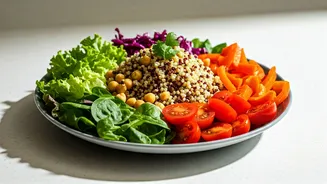
Beyond its delightful taste, Revithada, much like its Indian counterpart, is a nutritional powerhouse, primarily due to the chickpea's inherent benefits. These legumes are exceptionally rich in plant-based protein and dietary fiber, essential for satiety, muscle repair, and digestive health. They also provide a spectrum of vital nutrients, including Vitamin A and C, along with a variety of B vitamins that play crucial roles in energy metabolism. Furthermore, chickpeas are a good source of essential minerals such as iron, vital for oxygen transport in the blood, calcium, important for bone strength, magnesium, which contributes to numerous bodily functions, and potassium, known for its role in maintaining healthy blood pressure. This makes Revithada an excellent choice for those seeking a nutritious addition to their diet, particularly during colder months when hearty, warming meals are most welcome. It’s a testament to how simple, wholesome ingredients can create dishes that are both delicious and incredibly beneficial for overall well-being.